
Related Topics
Imagine rationing your meals every day to make sure you have enough food to last the rest of the week. Or delaying refilling your prescription medications to keep money in your bank account for groceries.
These scenarios are a reality for many older Americans. Although food insecurity among older adults has improved since the pandemic, it’s still alarmingly high. In fact, a 2023 study found that roughly 12.6 million seniors and older adults in the U.S. are food insecure.1
Brenda, 69, faced challenges of her own when her part-time retirement job unexpectedly screeched to a halt. Her monthly Social Security check wasn’t enough to cover her basic living expenses. “After paying rent, utilities, and bills, I often couldn’t buy groceries,” Brenda told a benefits counselor.
Linda faced a similar challenge. After her employer cut back her work hours, the 60-year-old Wisconsin resident said she was “burning up my savings” and constantly worried about how she would put food on the table.
If this sounds familiar for you or someone you care for, know that financial hardship doesn’t have to mean going hungry. As both Brenda and Linda discovered, local programs and supports are available to make sure older adults don’t have to wonder where their next meal will come from.
Where can I get food help near me?
1. Food banks
Feeding America operates over 200 food banks and 60,000 food pantries across the United States, each serving a large area. A food bank is a place where people can get free groceries if they need help. Local groups collect donated food from stores and farms and share it through nearby pantries or meal programs. You can usually visit a pantry, provide basic identification (like your name and address), and pick up items like canned goods, fresh produce, packaged foods, and bread. Many food banks even offer delivery or drive-through pickup for older adults and people with disabilities.
Use the food bank locator tool to find a pantry in your community.
2. Other local options for immediate food help
Many communities offer local resources to provide help right away. The programs and services below can connect you with agencies offering food and other support:
- Call your state or local 211 service (or visit 211.org)
- Visit the Eldercare Locator to find your Area Agency on Aging and be connected with a variety of services, including transportation and benefits. Dial 1-800-677-1116 (weekdays, 9 a.m. – 8 p.m. ET).
- BenefitsCheckUp.org can help you find benefits that cover a variety of needs—not just food. Visit the site and enter your ZIP code to learn about programs that can help you afford utilities, taxes, prescriptions, and more.
What other food assistance programs are available?
1. SNAP
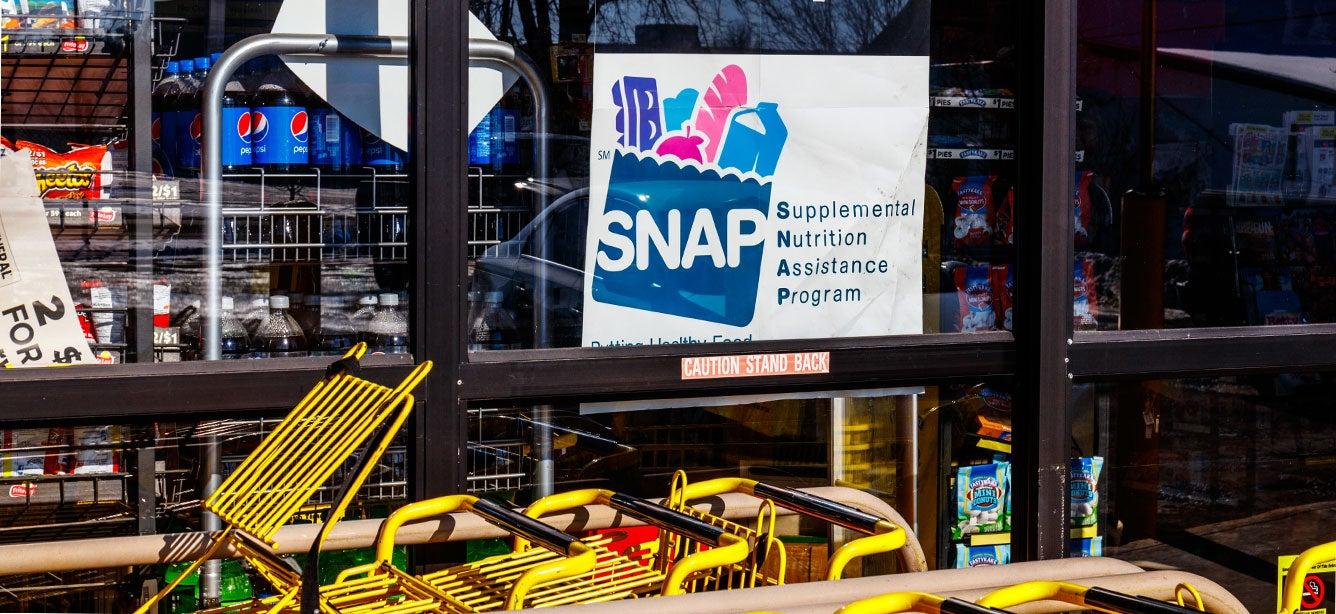
The Supplemental Nutrition Assistance Program (SNAP) helps people afford food at nearly 250,000 participating grocery stores and other retailers across the country.
Mr. KC, 64 , knows firsthand how SNAP can change lives. He moved out of a nursing home when he contacted one of NCOA’s Benefits Enrollment Centers (BECs). Since Mr. KC no longer had meals regularly provided to him, and had trouble affording groceries on his own, the BEC staff suggested he apply for SNAP benefits. To his surprise and relief, he was approved for the full amount: $280 a month. "I'm so grateful to be able to purchase groceries now without worry," he told a benefits counselor.
SNAP expedited benefits (also called emergency SNAP) provide faster food assistance for people who need help right away. If you qualify, you can get benefits within seven days of applying (or less, in some states)—instead of waiting up to 30 days. This option is typically for households with very limited means or high housing costs compared to their income. In many cases, you can start receiving benefits before submitting any documents. But you’ll still need to complete the full application process to keep getting SNAP.
2. The Emergency Food Assistance Program (TEFAP)
The Emergency Food Assistance Program (TEFAP) provides food and nutrition help at no cost. If you meet the program guidelines, you can pick up the food from your local food pantries or soup kitchens. Typical offerings vary by location but often include shelf-stable items such as pasta, dried beans, canned fruits and vegetables, and soups.
You can apply for TEFAP by contacting your state distributing agency to confirm eligibility and find participating sites. They will tell you if you meet the program guidelines and where you can get food.
3. Senior food boxes
Officially called the Commodity Supplemental Food Program (CSFP), this federal program provides income-eligible older adults with a monthly box of groceries. Combined with other programs like SNAP, CSFP can help food-insecure seniors better stock their fridges and pantries. The USDA authorizes all 50 states, the District of Columbia, Puerto Rico, and several Indian Tribal Organizations (ITOs) to operate the program, though not all participate.
Contact your state distributing agency and ask if the senior food box program is available in your area.
4. Meals on Wheels
With a network of over 5,000 programs, Meals on Wheels serves nearly every community across the U.S., with volunteers personally delivering nutritious meals to homebound older adults to support their health and social well-being. Visit the Meals on Wheels website to find services near you.
Meals on Wheels is perhaps the most widely recognized name in home-delivered meals, but it’s not the only one. The Administration for Community Living’s Home-Delivered Nutrition Program, which will likely also be impacted, partners with thousands of organizations nationwide to bring nutritious food right to your doorstep. Visit the Eldercare Locator to find your local Area Agency on Aging and ask about the availability of this program in your area.
4. Group meals
Congregate meal programs provide hot, nutritious meals to older adults in accessible group settings at least once a day. Sites can include senior centers, schools, places of worship, restaurants, and more. Funding comes from a mix of federal grants, like the Older Americans Act, as well as state and local sources.
Most programs offer free or donation-based lunch, and some may also provide breakfast or dinner depending on the location.
Use the Eldercare Locator to find a congregate meal site near you.
Source
1. Feeding America. Senior Hunger Research. May 14, 2025. Found on the internet at https://www.feedingamerica.org/research/senior-hunger-research
Need Help Paying for Food?
Millions of older adults are eligible for food assistance from SNAP but often don't apply. Use NCOA's tool to find out if you're eligible and get help paying for groceries.