
Related Topics
If your Supplemental Nutrition Assistance Program (SNAP) benefits don't seem to go as far as they used to, you're not imagining it. Rising grocery prices continue to put pressure on household budgets, making it harder for many older adults to afford healthy food. While SNAP benefits increased slightly for fiscal year 2026 (Oct. 1, 2025, through Sept. 30, 2026),1 the annual cost-of-living adjustment adds only about $6–$10 per month for most one- and two-person households.
For many older adults, that's not enough to keep up with higher food costs. The average monthly SNAP benefit for older adults is just over $188,2 and recent changes to federal law could reduce benefits for some households. The good news? There are ways to maximize the SNAP benefits you receive, stretch your food assistance dollars further, and even increase your monthly benefit in some cases. Here's how.
Check if you’re eligible for other food assistance programs
SNAP is the nation’s largest food safety net program. Still, millions of older Americans who are eligible for SNAP aren't enrolled. For people age 60 and older or people with disabilities, there are special rules to apply for SNAP. These rules look at net income, not gross income. This means we often can deduct high-ticket expenses, like excess out-of-pocket medical spending, that could increase our monthly benefit. (More on this below).
But SNAP isn’t the only food benefit program available. There are a few other programs that help older adults get adequate food:
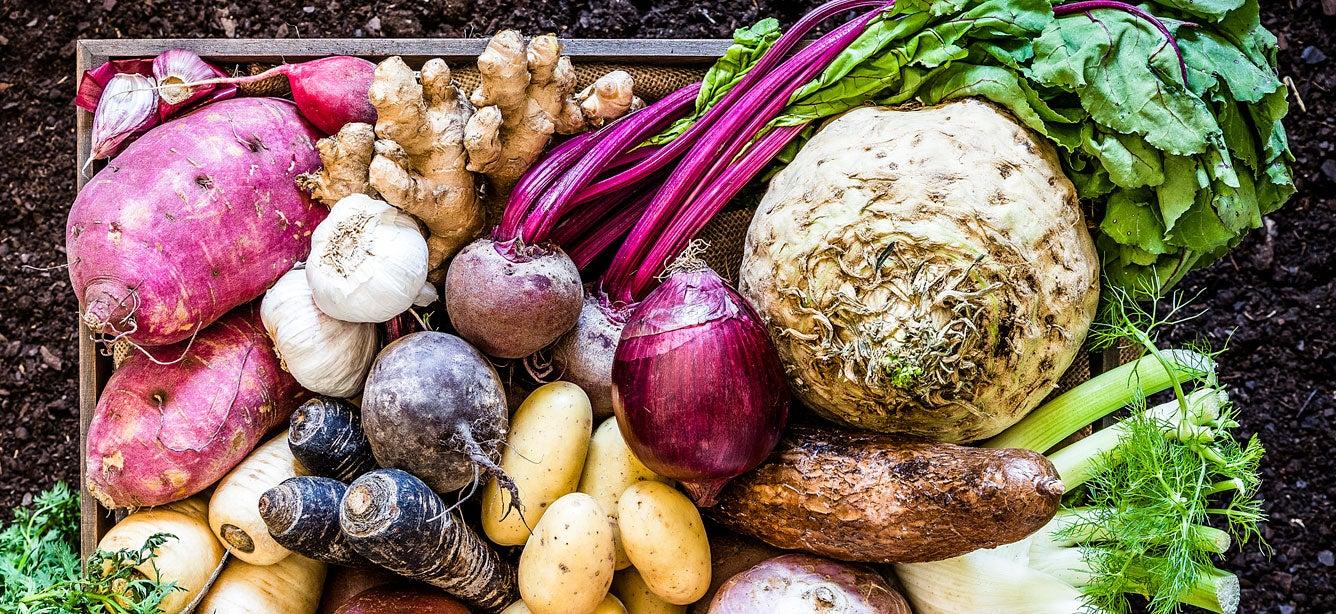
- The Senior Farmers Market Nutrition Program (SFMNP) provides vouchers (coupons) you can use to buy fresh vegetables, fruits, honey, and herbs. You can use these vouchers at local farmers markets, outdoor stands, and community-supported agriculture programs. You may get help from this program if you are 60 years of age or older and have limited income. However, not every state or every area within a state offers the SFNMP. It also may only be available at certain times of the year. Check availability in your area by using the USDA’s SFMNP contact map.
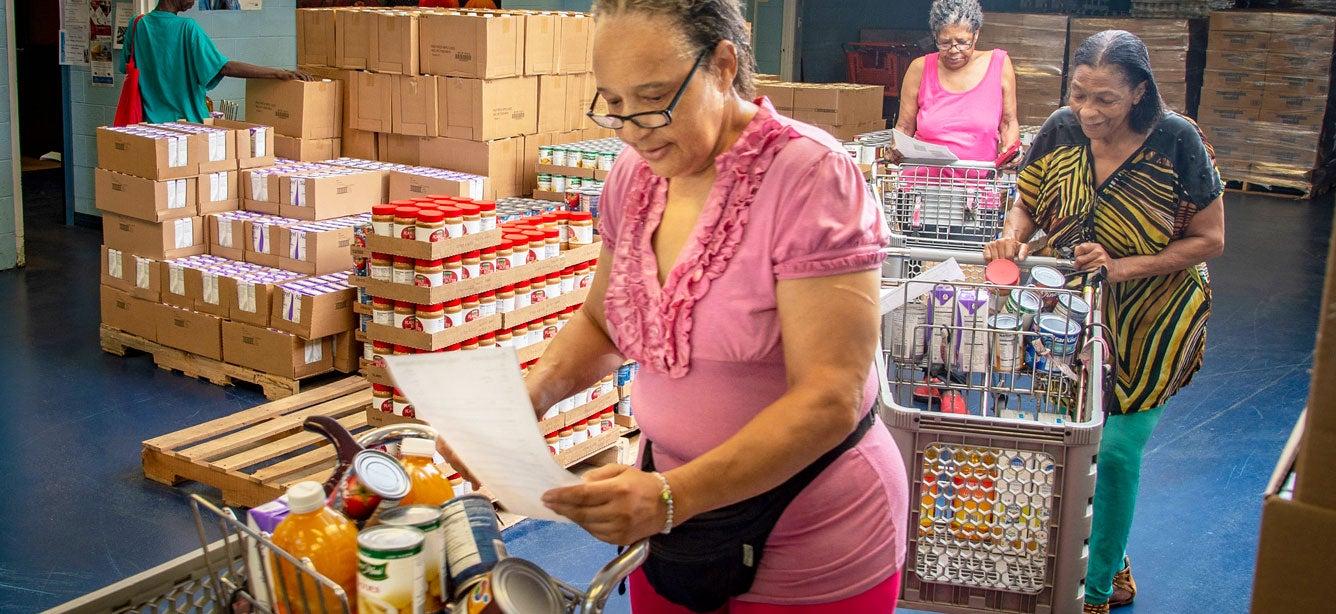
- The Commodity Supplemental Food Program, sometimes called the Senior Food Box program, gives you certain staples at no cost. The purpose of the program is to promote good health. If you meet the program guidelines, you can get a free package of USDA foods each month. The types of food you can get may include canned fruits and vegetables, canned meats (like canned beef, pork, and beef stew), pasta or rice, dry beans, peanut butter, fruit juices, dry cereals, cheese, and powdered and canned milk. Use the USDA’s state resource list to find a program near you.
You can also use NCOA's BenefitsCheckUp to find out if you can get help from any of these programs. This free online tool points you to other food programs you might be eligible for, too: like home-delivered meals and food banks in your area.
Claim medical expense deductions to increase SNAP benefits
SNAP has special rules for households that include an adult age 60+ and/or someone who lives with a disability. During the SNAP application process, these households can deduct certain expenses from their incomes to help boost their monthly benefits.
One of those deductions is for excess medical expenses. Households can take advantage of it when an older adult or person with a disability spends more than $35 each month out of pocket on such expenses.
Medical expenses can include many things, like prescription drugs, dentures, hearing aids, prescription eyeglasses, and unreimbursed Medicare costs (things that aren't covered, like copayments at the doctor’s office, for example). Your state may also allow additional deductions, such as for medically prescribed alternative therapies (things like acupuncture) or transportation to medical appointments. Check with your local SNAP office for more information and assistance.
Look for Double Up Food Bucks at farmers markets
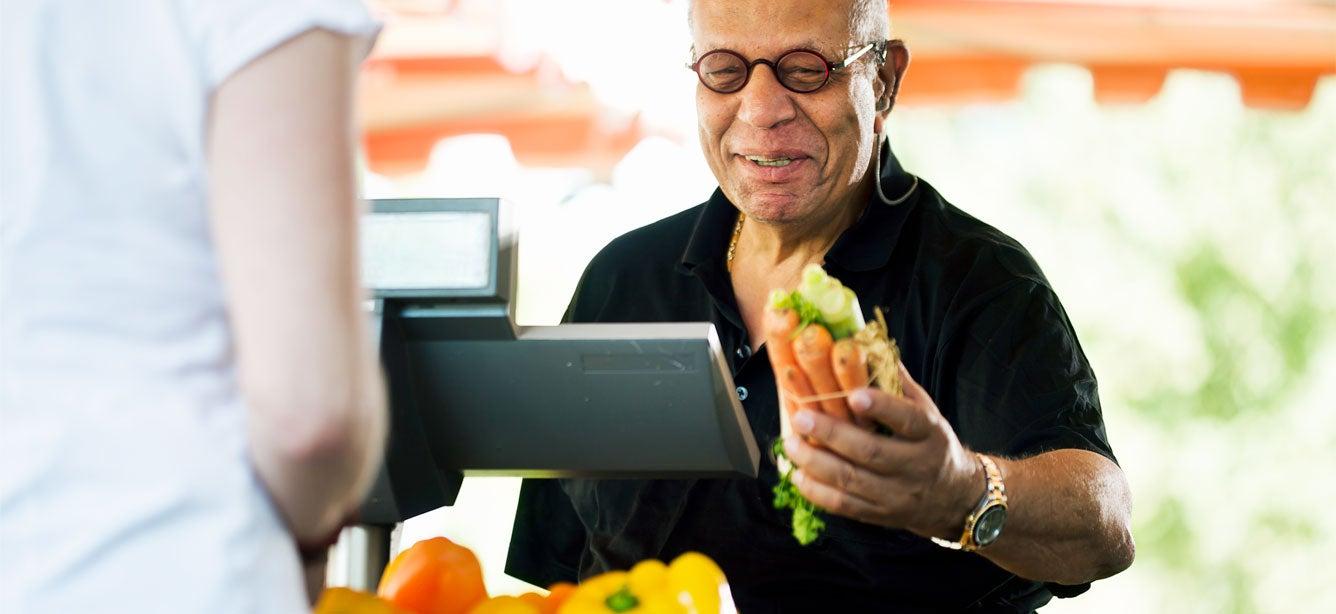
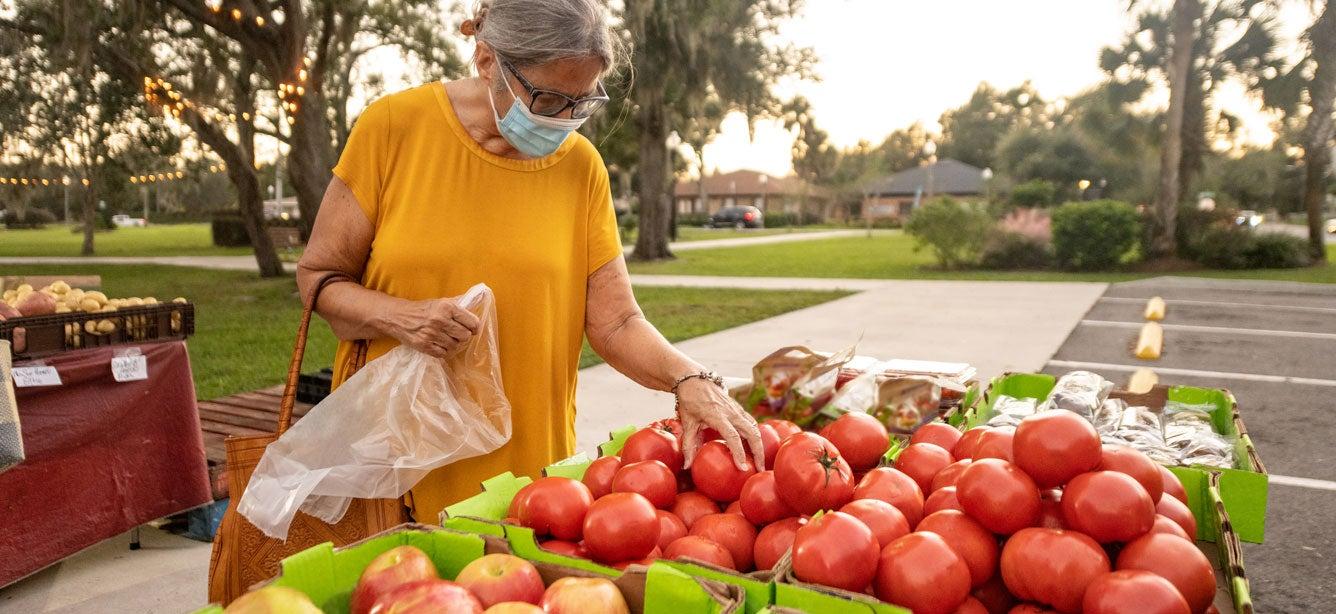
Many farmers markets around the country offer this program. It's a win-win: it helps people enrolled in SNAP to better afford fresh, healthy food; and it supports local producers. In some places, Double Up Food Bucks might be called Double Dollars or Double Your Food Bucks.
How does it work? Generally, you bring your SNAP EBT card to the information booth at your local participating farmers market. A staff member or volunteer will ask how much money you would like to spend. Then they will swipe your card for that amount and give you tokens worth twice as much.
You can visit your local farmers market to see if they participate in the program.
Let your SNAP benefits carry over
SNAP benefits are loaded monthly onto an electronic benefits transfer (EBT) card. But the program doesn't require you to spend all your SNAP dollars within the month. Most states allow you to carry over any unused money on your EBT card. This can be for several months to up to a year.
This also means you can "save up" your benefits. For instance, if you only receive the minimum SNAP benefit amoutn of $24 a month,1 you could choose to wait several months before using your EBT card at the store or farmers market. To see how much money you have left on your card, call your state's EBT customer service number. This number appears on the back of your card.
Buy SNAP-eligible foods in bulk to save money
Speaking of your SNAP beenfits card: you might consider using your EBT on bulk food. Whether you do this in-store or shop online for delivery or pickup, it often can save you money on pantry staples like beans, grains, spices, and nutes. Some stores, like Costco and Sam's Club, offer SNAP-eligible food by the case, too—or in larger packages than you'd find in a regular supermarket. If you like certain foods well enought to know that buying large amounts makes sense, you may find this is an economical way to shop.
Learning how to stretch your food budget can go a long way toward helping you save money and stay healthy. But what you buy with your food benefits is important, too. Our healthy eating tips can help you make good choices when you shop. And be sure to bookmark our Food Assistance for Older Adults resource page for the most up-to-date information on benefits programs that help stretch your grocery budget.
Sources
1. USDA Food and Nutrition Administration. SNAP – Fiscal Year 2026 Cost-of-Living Adjustments. February 20, 2026. Found on the internet at https://www.fna.usda.gov/snap/allotment/cola/fy26
2. USDA Food and Nutrition Administration. SNAP Data Tables – National Level Annual Summary. June 18, 2026. Found on the internet at https://www.fna.usda.gov/pd/supplemental-nutrition-assistance-program-snap
Need Help Paying for Food?
Millions of older adults are eligible for food assistance from SNAP but often don't apply. Use NCOA's tool to find out if you're eligible and get help paying for groceries.