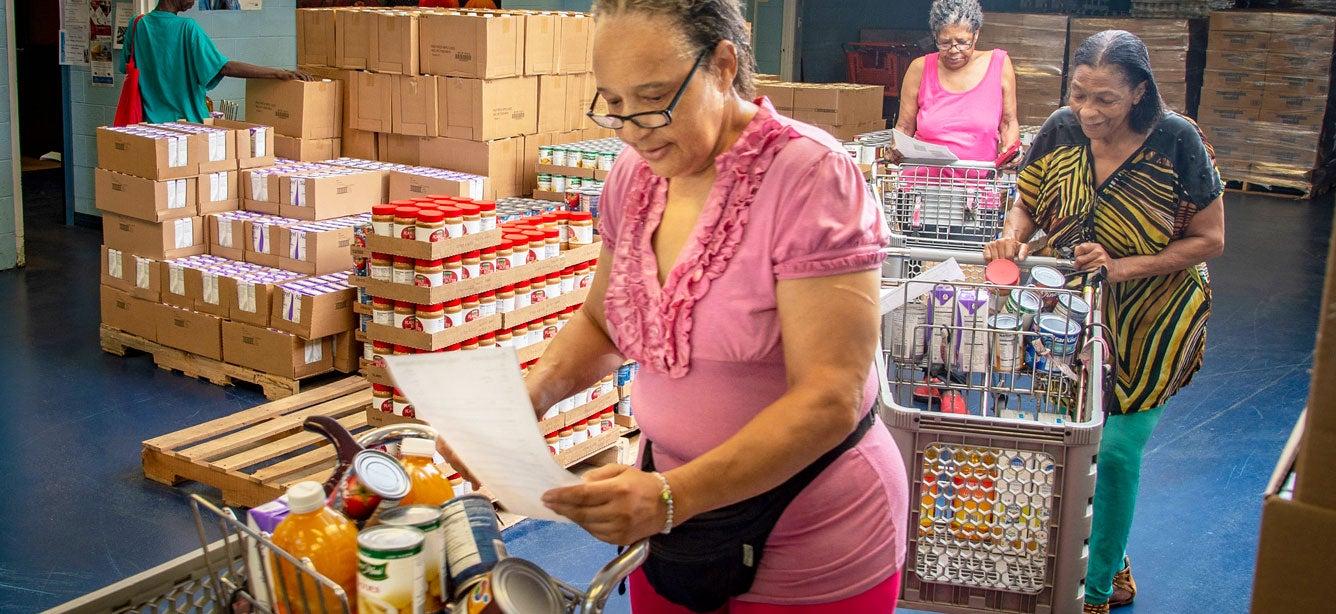


The Commodity Supplemental Food Program (CSFP) provides a monthly supply of shelf-stable fruits, vegetables, grains, meats, and dairy for adults age 60 and older who face food insecurity.
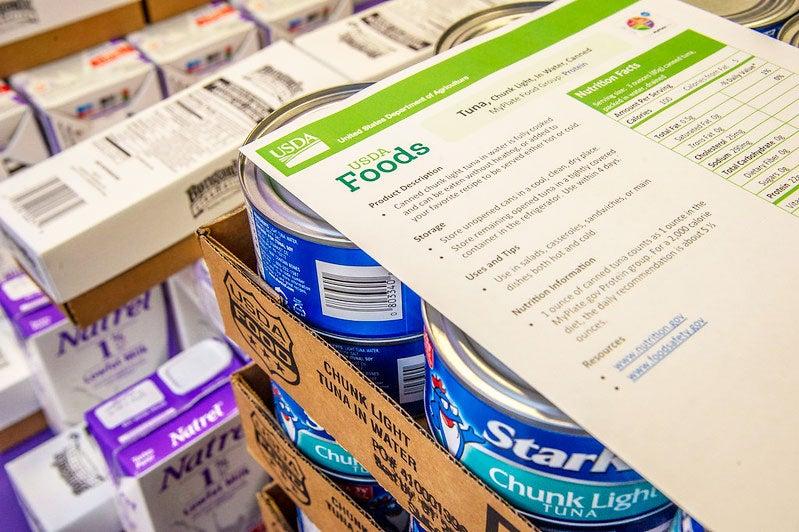
You may know the CSFP by its popular name, the “Senior Food Box” program. It’s completely free for eligible participants and contains as much as $50 worth of pantry staples in each package, including things like:
- Milk
- Juice
- Cereal
- Rice or pasta
- Peanut butter
- Dry beans
- Canned meat, poultry, or fish
- Canned fruits and vegetables
“On its own, the Senior Food Box program won’t put food on the table every night,” said Jennifer Teague, NCOA Director for Health Coverage and Benefits. “But it can bridge an important gap: the one between what we can afford and what we actually need to stay nourished and healthy.”
The USDA’s Food and Nutrition Service (FNS) supplies the food and funds the CSFP program, which serves hundreds of thousands of older adults across the country each year.
This article covers everything you need to know.
Commodity Supplemental Food Program: Fast Facts
|
➡️ For adults age 60 and older ➡️ Income at below 150% of the federal poverty level ➡️ Commonly available through senior centers and food pantries ➡️ Contact your local FNS administrative office for details |
Food insecurity among older adults
It can be challenging to eat a well-balanced diet on a limited budget—especially if your monthly income can’t keep up with rising food prices and other increased daily costs.
Are you in this situation? You’re not alone. In fact, right now, as many as 7.7 million adults age 60+ can’t access enough quality food. That’s nearly 1 in 10 of us. In addition to malnutrition, this situation—known officially as food insecurity—can lead to a constellation of challenges and spending tradeoffs.
According to Teague, food insecurity affects our overall health and quality of life in many unfortunate ways.
“When we’re food insecure, we’re more likely to experience falls,” she explained. “That’s because poor nutrition affects our muscle mass, bone density, and balance. It also robs us of vital vitamins and minerals, which puts us at risk for chronic diseases like diabetes.”
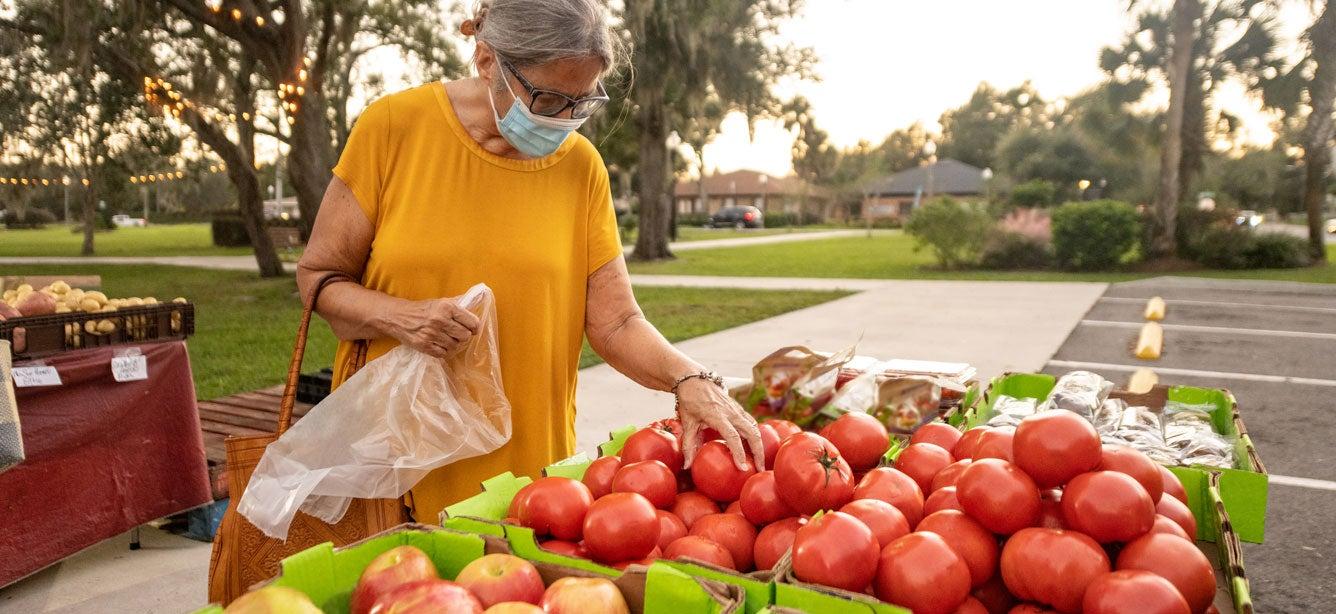
Government-funded initiatives such as the Supplemental Nutrition Assistance Program (SNAP) and the Seniors Farmers Market Nutrition Program (SFMNP) can help you afford your groceries and maintain good nutrition as you age. As with any assistance program, though, there can be limitations to your monthly benefits or the types of food you can buy.
Traditionally, the Commodity Supplemental Food Program (CSFP) has existed to fill in some of those the gaps. Let’s take a look.
What is the Commodity Supplemental Food Program (CSFP)? And how does it help older adults?
Sometimes called the “Senior Food Box” program, the CSFP helps eligible participants improve their diets with nutritious surplus food from the U.S. Department of Agriculture's (USDA) commodity food list.
In calendar year 2026, the Commodity Supplemental Food Program served about 707,000 older adults with incomes at or below 150% of the federal poverty level (FPL). (Some states use 130% instead).
Although the CSFP doesn’t provide a complete and balanced diet on its own, it can serve as a reliable source of nutrients that you otherwise might not get enough of. This is true even if you already participate in other food assistance programs. For instance, while $24 in minimum monthly SNAP benefits can go further than you may think, the extra groceries you receive in a senior food box—containing an estimated $50 worth of food—can help you prepare even more healthy meals. (Get ideas for simple, nutritious meals using Senior Food Box items).
How does the Commodity Supplemental Food Program operate?
Through the CSFP, the USDA Food and Nutrition Service (FNS) distributes government surplus food and administrative funding to participating states. These states then partner with local public and nonprofit agencies to store and distribute the food.
In real life, this means that your state’s Department of Health, Department of Agriculture, or other agency works with your local food bank, senior center, community health center, or other partner(s) to qualify and enroll participants and distribute the food each month.
I’m interested in receiving a monthly Senior Food Box. What is the eligibility requirement?
You must be at least 60 years old and live in a state where the CSFP has funding to operate.
Each state sets household income limits for the program, which start at or below 130% of the federal poverty guidelines. Since the income limits depend on where you live, you will need to contact your local FNS agency for more information. Be sure to ask about a Commodity Supplemental Food Program application, too.
Although uncommon, some states may also impose residency requirements and proof that you are “at nutritional risk.”
Can I get a senior food box if I already receive SNAP assistance?
Yes. There are no rules prohibiting you from getting both. In fact, when combined with other benefit programs like SNAP and the Seniors Farmers Market Nutrition Program, the CSFP can help you better fill your refrigerator and pantry.
How do I find a Senior Food Box program near me?
The USDA authorizes all 50 states, the District of Columbia, Puerto Rico, and several Indian Tribal Organizations (ITO)s to operate the Commodity Supplemental Food Program—though not all of them do. Use the USDA’s contact map to check availability in your area.
Do you sometimes struggle to buy groceries? Are you concerned about your food security overall? NCOA is here to help. Learn more about the food assistance programs you may qualify for, and use our free, confidential BenefitsCheckUp tool to uncover additional financial resources. These benefits programs can help you pay for food, utilities, medicine, health care, and more. Visit BenefitsCheckUp.org today to get started.
The bottom line
If you’re age 60 or older and face food insecurity, you may be eligible to participate in the Commodity Supplemental Food Program (CSFP). Commonly called the “Senior Food Box” program, this federally-funded, state-run benefit provides a monthly package of pantry staples, milk, and juice to those of us with monthly incomes at our below 150% of the federal poverty level (or $1,995 per month for a single-person household in 2026). Each participating state sets its own rules; use the USDA’s contact map to check availability and how to apply. And take note: funding is up in the air for 2027. NCOA continues to advocate for the CSFP and other crucial financial assistance programs at risk of being cut.