
What Are the Best Sources of Protein? Here’s What to Know
6 min read

Related Topics
When we’re older, our body doesn’t use protein as efficiently as it once did. That means we need more of this nutrient to stay healthy and independent. But what if you or the person you care for has nutritional challenges like low appetite or difficulty chewing? Or your monthly grocery budget is tight?
Fortunately, boosting your protein intake is easier than you might think. You don’t need to stock your fridge with steaks or eat meat at every meal. From low-fat dairy products to plant-based options, there are many easy, cost-effective ways to get your nutrition into better balance.
Let’s look at why protein is so vital for older adults—and which protein sources offer the most “bang for your buck.”
Why is protein so important as you age?
Dietary protein provides critical fuel for muscles and bones and helps prevent sarcopenia, a musculoskeletal condition that involves the gradual loss of muscle mass and strength. A protein-sufficient diet also promotes recovery after illness or injury, supports optimal energy levels, and keeps your immune system functioning at its best.
That’s why health experts encourage older adults to make protein a focal point of every meal, not just dinner. Calculate your estimated protein needs here.
What are the primary sources of protein?
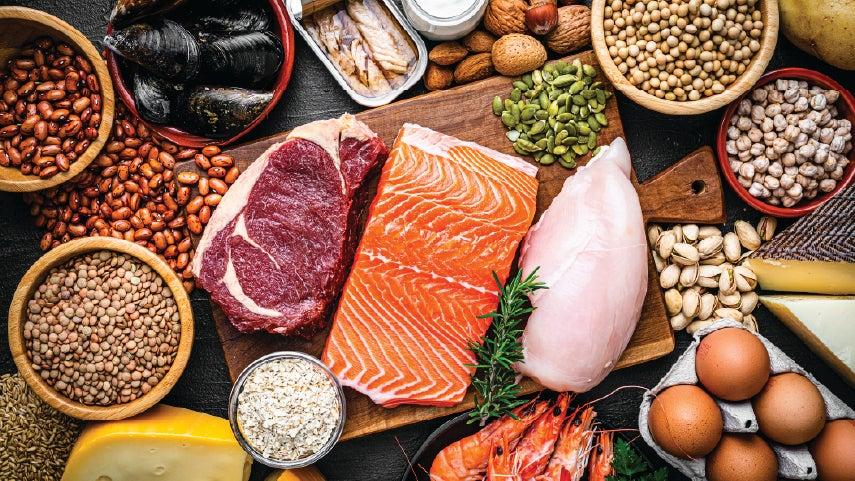
There’s no single best protein source; it’s about balance and variety and creating meals you truly enjoy. Both animal- and plant-based options can provide what your body needs:
- Lean meats and poultry such as chicken, turkey, and lean beef are rich in complete proteins and nutrients like iron and vitamin B12. Choose cuts with minimal visible fat. When buying beef or pork, look for words like "sirloin," “round,” or “loin."
- Fish and seafood like salmon, mackerel, lake trout, herring, sardines, and albacore tuna provide protein plus heart-healthy omega-3 fats. When using canned fish, buy the low-sodium variety.
- Dairy foods including fat-free or 1% milk, yogurt, and cottage cheese provide calcium and vitamin D along with protein. Consider plant-based milk alternatives like almond, oak, and soy milk (unsweetened).
- Legumes and beans such as lentils, chickpeas, and black beans are loaded with healthy fiber and easy to prepare. Choose no-added-salt or low-sodium canned options, or rinse beans before eating or cooking to cut down on extra sodium.
- Nuts and seeds (almonds, walnuts, chia, flaxseed) supply healthy fats and extra protein.
- Whole grains like quinoa, bulgur, and farro can add smaller but meaningful amounts of plant protein to your meals.
✅ Tip: Mix up different plant-based protein sources throughout the day for balanced nutrition. For instance, a bowl of beans with brown rice provides all essential amino acids (the building blocks of protein).
What is the least expensive way to get protein?
Getting enough protein doesn’t have to strain your budget. There are plenty of high-quality protein sources that won’t break the bank:
- Eggs are inexpensive, easy to prepare, and packed with nutrients like B6, B12, folate, and vitamins A, D, and E, plus essential minerals such as phosphorus and iron. packed with nutrients.
- Canned tuna, salmon, or chicken offer great shelf life and versatility.
- Dried or canned beans and lentils are among the most cost-effective protein sources available.
- Peanut butter or other nut butters provide protein, healthy fat, and flavor. Plus, they don’t require refrigeration.
- Greek yogurt can be a filling snack that’s often available in store-brand or bulk options.
✅ Tip: If you’re struggling to afford groceries, community programs such as local food pantries, Meals on Wheels, and the Supplemental Nutrition Assistance Program (SNAP) can help ensure you have access to nutritious, high-protein foods. See NCOA’s Food Assistance page for more information.
Foods high in protein but low in saturated fat
When choosing your protein sources, it’s also important to consider your heart health. Saturated fats in red meats like beef, pork, and lamb can raise your blood cholesterol levels and increase your heart disease risk.
Focus on lean and low-saturated-fat proteins, especially if you have high cholesterol or hypertension (high blood pressure):
- Opt for skinless poultry and fish instead of fatty cuts of meat.
- Choose low-fat dairy products like milk, yogurt, or cheese.
- Add plant-based proteins like tofu, tempeh, lentils, and edamame to your rotation. They’re naturally low in saturated fat and full of fiber.
- Try simple swaps when preparing meals. For example, use Greek yogurt instead of mayonnaise or sour cream, or grill chicken instead of frying it with oil or butter.
- Limit processed meats like deli slices, bacon, ham, salami, sausages, hot dogs, and jerky to reduce sodium and saturated fat.
Sticking to these rules of thumb can make a big difference for your heart and overall well-being.
How to incorporate protein into snacks
The easiest way to increase your protein intake is to consume it throughout the day with small, nutritionally balanced meals and snacks.
Try:
- Yogurt topped with fruit or granola
- Hard-boiled eggs or string cheese
- Whole-grain crackers with peanut butter or hummus
- A smoothie with 1% milk or Greek yogurt
- Oatmeal sprinkled with nuts or seeds
Spreading protein evenly across breakfast, lunch, and dinner helps your body use it more efficiently for muscle repair and energy.
Protein sources that don’t need cooking or refrigeration
Do you have limited kitchen space or time constraints that make it harder to prepare meals? These protein sources require little to no prep work:
- Peanut butter or nut butters on toast, crackers, or apple slices
- Canned beans (buy the low-sodium kind or rinse before eating)
- Canned tuna or salmon mixed with a little low-fat mayo or Greek yogurt
- Nuts, seeds, and low-sodium jerky for portable snacks
These quick and easy high-protein fixes are also ideal if you’re recovering at home from an illness or injury.
Another option is oral nutrition supplements (ONS), which are designed to help fill common nutrient gaps—whether you need more protein, calories, or key vitamins and minerals like vitamin D, B vitamins, calcium, and iron. They come in different forms and flavors, keep well in the fridge or at room temperature, and are easy to take with you when you’re out and about.
Protein-rich foods that are easy to chew and swallow
For some older people, dental problems and swallowing difficulties (dysphagia) can make eating certain proteins uncomfortable—and even unsafe. The bright side is there are plenty of soft, easy-to-chew options that deliver a high dose of nutrients:
- Scrambled, poached, hard-boiled or deviled eggs
- Ham, chicken, or tuna salad (made with low-fat mayo)
- Low-fat cottage cheese, ricotta cheese
- Greek yogurt, frozen yogurt, smoothies
- Soft fish (like salmon or tilapia)
- Mashed or baked beans
- Hummus
- Veggie burgers
- Nut butters (peanut, almond)
- Tofu
- Pureed soups or smoothies made with milk, yogurt, or protein powder
If chewing or swallowing continues to be difficult, consider talking to a registered dietitian or speech therapist. They can help you or your care recipient find alternatives that are both safe and satisfying.
Small changes add up to big benefits
Gretchen Dueñas-Tanbonliong, MS, MPH, RDN, MCHES®, NCOA’s Associate Director of Health and Wellness, says getting enough protein is one of the smartest things we can do for our long-term health. “When older adults lack protein for extended periods, their body begins to break down its own muscle tissue to get essential amino acids,” she explained. “It’s like asking someone to maintain a house while taking away the building materials. But the good news is that older adults can take proactive steps—such as prioritizing protein-rich foods—to help minimize the effects of protein deficiency."
When it comes to getting more protein, the key is consistency: Choose a variety of healthy, affordable protein sources and incorporate them into your meals and snacks each day. Even small changes, like adding milk to oatmeal or beans to soup, can help you reach your daily goal without feeling overwhelmed. Over time, thoughtful dietary choices will help you stay strong, nourished, and feeling your very best.
Not sure if you're getting enough protein?
Many older adults don’t get enough protein—putting muscle health at risk. Use this quick protein calculator from Nestle's BOOST® to see how much your loved one really needs.