

Understanding Social Security's Outreach on Medicare Assistance Programs
2 min read
Each year, typically from May through June, the Social Security Administration mails outreach letters to beneficiaries potentially eligible for:
- Qualified Medicare Beneficiary (QMB)
- Specified Low-Income Medicare Beneficiary (SLMB)
- Qualifying Individual (QI)
- Extra Help (Prescription Drug Subsidy)
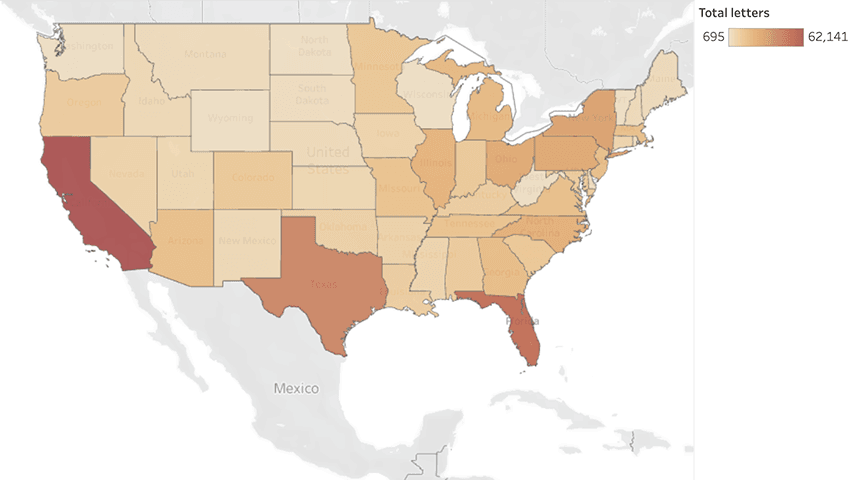
Our visualization tool gives details into outreach for Medicare Savings Programs (MSP) and Extra Help (LIS), showing how many and what types of letters SSA sent in July 2025:
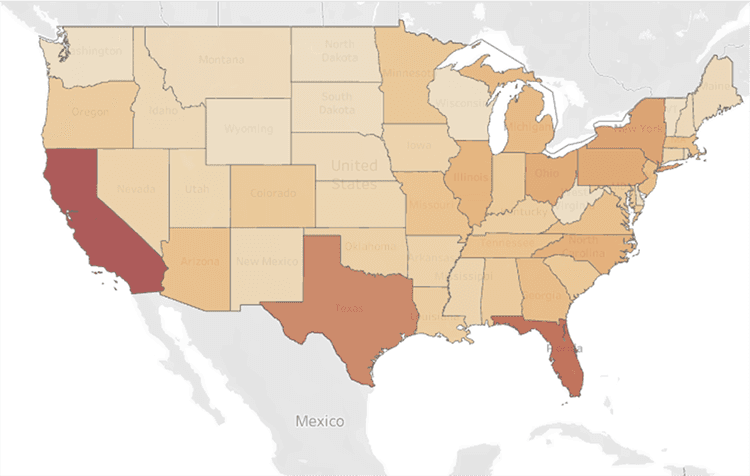
What does the visualization tool show?
This Tableau visualization provides insights into:
- Outreach volume
- Distribution of letter types and program categories
- Beneficiary state, county, ZIP code, and city
The tool displays two letter types:
- SSA-L447: Sent to beneficiaries whose countable income appears to be less than 135% of the federal poverty level, who currently receive Extra Help but are not enrolled in an MSP.
- SSA-L448: Sent to beneficiaries whose countable income appears to qualify them for both Extra Help and an MSP but who are enrolled in neither program.
How does SSA decide who might qualify for assistance?
SSA systems use information from the Master Beneficiary Record (MBR), Supplemental Security Record (SSR), Medicare Application Processing System (MAPS), and files from other federal agencies to identify beneficiaries who appear to meet eligibility criteria for Medicare Savings Programs (MSPs) and the prescription drug subsidy (Extra Help) program.
The outreach letters provide information about potential eligibility and encourage beneficiaries to apply for available benefits. Field offices assist individuals who need help completing the Extra Help application (Form SSA-1020) or submitting an application through the Medicare Application Processing System (MAPS). This internal Social Security Administration system takes, processes, and stores Medicare-related applications and data.