
Related Topics
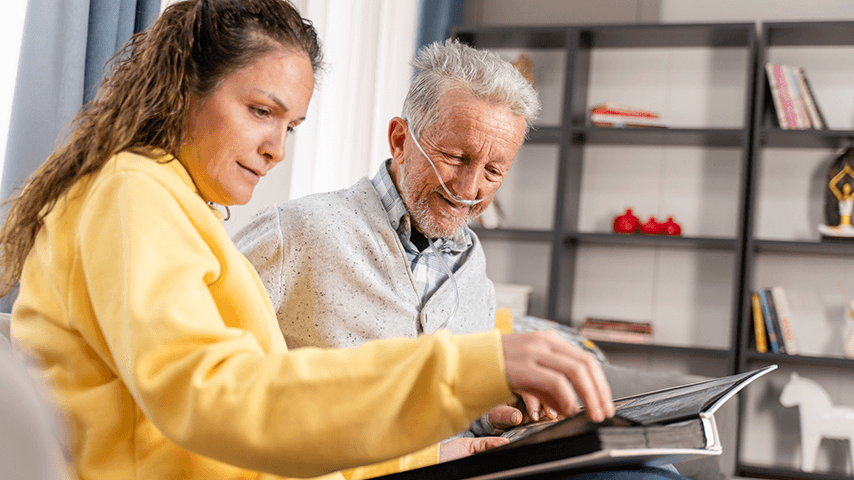
Supplemental oxygen can be life-changing—even lifesaving—for people with chronic obstructive pulmonary disease (COPD), heart failure, or chronic lung disease. It delivers the oxygen their bodies can't get on their own, making everyday activities possible again.
Yet oxygen carries an invisible risk: it makes flammable materials ignite more easily and burn faster. A lit cigarette or even a frayed electrical cord becomes significantly more dangerous when oxygen is in the air. That’s why understanding supplemental oxygen safety precautions is so essential. In this guide, we'll tell you everything you need to know.
What is supplemental oxygen therapy?
Supplemental oxygen therapy provides extra oxygen to people whose bodies have trouble maintaining healthy oxygen levels. It’s often prescribed for long-term conditions that affect the lungs or heart, like COPD, emphysema, and cystic fibrosis. More than 1.5 million older adults use supplemental oxygen for a range of health conditions according to the National Institutes of Health.1
Oxygen can come from several sources: portable or stationary tanks filled with compressed gas, liquid oxygen systems, or concentrators that draw oxygen from the air. But no matter the source, this type of therapy must always be handled with great care. While oxygen itself doesn’t burn, it promotes the combustion of other materials by lowering ignition temperatures.
By using basic oxygen safety precautions at home, you can enjoy the benefits of oxygen therapy while keeping your home and the people (and pets!) you care about safe.
What are the safety precautions for home oxygen?
Fire safety is the most critical part of using oxygen at home. Even a small spark near oxygen equipment can be dangerous. Follow these steps to help protect yourself and others:
- Don’t smoke: Never smoke—or allow anyone else to smoke—around oxygen. This includes cigarettes, e-cigarettes, cigars, or pipes. Post “No Smoking: Oxygen in Use” signs prominently in the doorways or windows of your home. Remind visitors about your oxygen use before they arrive.
- Test your fire alarms regularly: Make sure your smoke detectors and carbon monoxide alarms are installed and working properly. Test them once a month and replace batteries at least once a year. Consider using interconnected alarms that alert the whole home if one goes off. If you have hearing loss, you can install smoke alarms that use flashing lights or vibration alerts.
- Keep oxygen and tubing away from heat sources: Never place oxygen tanks, tubing, or concentrators near open flames, space heaters, stoves, candles, or fireplaces. Keep all equipment at least 5-10 feet away from any heat source, including gas appliances, kids’ toys with electric motors, and electric devices that get warm during use. Avoid draping oxygen tubing over lamps or electronic cords.
- Use water-based, not petroleum-based products: Oxygen reacts easily with oils and grease, which can ignite. Avoid using petroleum-based lotions, ointments, or lip balms while using oxygen. You should also skip aerosol cleaning products and those that contain oil, grease, alcohol, or other liquids that can burn. Instead, choose water-based products (e.g., aloe-based gels).
- Stay alert when cooking: If you’re cooking (especially with a gas stove) turn off your oxygen or move the tubing well away from the stove. Watch out for splatters of grease, since it can catch fire. Never cook over an open flame while wearing your nasal cannula or mask. Consider using a slow cooker or microwave instead of a gas range when possible—and keep a fire extinguisher on hand, always.
Other home oxygen safety precautions
Beyond fire prevention, it’s also vital to keep your oxygen equipment clean and maintained, with plenty of supplies on hand. Good habits like those below will help your therapy run smoothly and reduce the risk of infection or interruption:
- Replace your supplies regularly and keep extras handy: Check your nasal cannulas, tubing, and masks for cracks, discoloration, or stiffness. These parts should typically be replaced every two to four weeks—or sooner if they show signs of wear. Keep a small supply of replacement parts at home so you’re never caught off guard. If your oxygen provider delivers supplies, ask about their refill schedule and how to order replacements in advance.
- Clean the humidifier and other parts often: If your oxygen setup includes a humidifier bottle, empty and refill it daily with distilled water. Once a week, give it a good cleaning with a blend of mild dish soap and warm water, then rinse and air-dry thoroughly. Regular cleaning wards off mold and bacteria growth, which can cause infections or block airflow.
- Store the oxygen tanks in an appropriate place: Keep oxygen tanks upright in a well-ventilated area away from direct sunlight, open flames, or heat sources. Never store tanks in tight or unventilated spaces like in closets or under beds. If a tank falls, it could leak or become a projectile, so secure it in a stand or holder several inches away from walls and curtains. Make sure the storage area is easy to access but out of reach of children and pets.
- Take steps to avoid running out of oxygen: Running out of oxygen can cause serious health risks. Monitor your supply levels regularly and call your oxygen provider before the gauge drops too low. If you use a concentrator, make sure you have a backup source—such as a portable tank—in case of power outages or mechanical issues. Set reminders on your calendar to reorder supplies ahead of time.
Preparing to use oxygen at home
Planning ahead ensures oxygen use fits smoothly into your daily life and that everyone in your home knows what to do in an emergency. Here are some things to consider before you get started with home oxygen therapy:
- Talk with friends and family in advance: Let family members, friends, and neighbors know you use oxygen, so they understand how to stay safe when visiting. Walk them through basic home oxygen safety precautions like not smoking, avoiding open flames, and being careful when handling of cords or tubing. If you have a caregiver, show them how to turn the oxygen on and off properly.
- Have a plan for power outages: Whether it’s from a powerful storm or an unexpected blackout, power outages happen. If you depend on an oxygen concentrator, ask your oxygen provider about backup options. The best portable oxygen concentrators will have portable tanks for emergencies or battery packs for short-term use. Keep your oxygen company’s emergency number handy and let your local fire department and power company know that you depend on medical oxygen at home—they may prioritize your address during outages.
- Review the concentrator’s maintenance requirements: Each oxygen concentrator has specific maintenance instructions. Most require regular filter cleaning or replacement, as well as keeping the area around the machine clear for proper airflow. Read the user manual and follow the manufacturer’s guidelines carefully. If your concentrator makes strange noises, overheats, or stops producing oxygen, contact your supplier immediately.
What are the side effects of oxygen therapy?
While home oxygen therapy is safe for most people when used correctly, it can cause mild side effects for others. These usually happen when the oxygen flow is too high or the equipment isn’t being used properly.
Possible side effects of oxygen therapy include:
- Dry throat or nose
- Nosebleeds
- Headache
- Fatigue or drowsiness
- Skin irritation around the mask or tubing
Small adjustments, like using a humidifier, can take care of most side effects. If you notice any unusual symptoms, contact your health care provider right away—and do not change your oxygen flow rate without medical advice.
Frequently asked questions (FAQ)
How far away should you smoke from an oxygen tank?
You shouldn’t smoke at all around oxygen equipment. But what if someone in the home smokes and you can’t avoid it? It's in the best interest of your safety to ask them to smoke outside. According to the American Lung Association, it’s best to maintain a distance of at least five feet between your oxygen unit and any kind of open flame (including a lit cigarette). Always turn off the oxygen supply and remove tubing before going near any smoking area.
Can you use a microwave while on oxygen?
Yes. It’s generally safe to use household appliances like microwaves, televisions, and computers while using oxygen, as long as you keep your tubing away from heat vents, burners, or sparks. Do not stand close to open flames or using electrical tools that produce sparks.
Are oxygen tanks flammable?
Oxygen itself isn’t flammable—it doesn’t catch fire on its own. But it greatly increases the flammability of other materials. This means that paper, fabric, hair, and oil can ignite much faster and burn hotter in oxygen-rich environments. That’s why it’s so important to keep oxygen equipment away from flames and heat.
Make oxygen safety part of your routine
“Living with oxygen at home gets easier with time—not because the risks disappear, but because the safety habits become second nature,” explained Dorothea Vafiadis, Senior Director of NCOA’s Center for Healthy Aging . “By sticking to a few rules of thumb, you can protect your home and the people in it while continuing to breathe easier and live more comfortably.”
If you ever have questions about your oxygen system or oxygen safety precautions at home, reach out to your oxygen supplier.
To learn more:
- See our guides to supplemental oxygen therapy and how to use a pulse oximeter to check O2 saturation.
- Discover our expert picks for the best medical alert watches and best pulse oximeters.
- Explore whether Medicare will cover durable medical equipment.
Sources
1. National Heart, Lung, and Blood Institute. NHLBI Air You Wear Challenge. Updated April 3, 2023. Found on the internet at https://www.nhlbi.nih.gov/grants-and-training/air-you-wear-challenge
The Top 10 Most Common Chronic Conditions in Older Adults
Nearly 93% of adults 65 and older have at least one chronic condition, while about 79% have two or more. Learn more about the most common chronic medical conditions and how you can prevent or manage them.