

Related Topics
As we enter older adulthood, nutrition takes on a bigger role in how we feel and live every day. You already know you should eat more fruits and vegetables. And maybe you've cut back on your favorite sugary treats. But there's another nutrient that deserves your attention, one that often gets overlooked: protein.
So how much protein do you really need per day—and how can you make sure you’re getting it? Let’s start by exploring why protein is a nutritional superstar.
Why is protein so important as we age?
We all want to stay strong and mobile for as long as possible. Protein helps slow the gradual muscle loss that happens with age, which can lead to a condition known as sarcopenia. Without enough protein, your muscles weaken, making it a struggle to do things you may take for granted now—like climbing stairs or carrying groceries in from the car. You may even have a harder time maintaining a healthy immune system.
Eating a protein-rich diet and staying active (like walking and resistance exercises) can help you maintain your independence and even lower your risk of falls. Research shows a clear link between a higher protein intake and a lower risk of frailty in older adults.
“Protein is often seen a muscle-boosting nutrient, but it actually plays a much bigger role in healthy aging, from maintaining strength to supporting bone health,” said Gretchen Dueñas-Tanbonliong, MS, MPH, RDN,MCHES®, Associate Director of Health and Wellness at NCOA. “It keeps our immune system in good working order and also helps us heal after an illness or injury, among many other benefits. But research consistently shows many older adults just don’t get the protein they need per day.”
How much protein do I need?
Protein needs differ with age and other factors. According to the National Resource Center on Nutrition and Aging:
- Men and women age 19 and older should aim for 0.8 grams of protein per kilogram of body weight each day (g/kg/day). One kilogram is equal to 2.2 pounds.
- People age 65 and older should aim for about 1 to 1.2 g/kg/day.
Do some people need even more protein in their diet? The answer is yes. If you’re recovering from surgery or major illness, more protein can help your body bounce back faster. The general recommendation for patients recovering from surgery is at least 1.6 and up to 2.0–3.0 g/kg/day.
Another reason you may need a higher protein intake is leading an active lifestyle. If you exercise daily or several times a week, aim for up to 1.5 g/kg/day. If you lift weights regularly or train for endurance events like running or cycling, you may need slightly more protein to support muscle repair and recovery—up to 1.7 g/kg/day.
About 1 in 3 people over the age of 50 fall short of recommended protein-per-day requirements.1 If you think you might fall into that category, there’s no need to worry. Knowing how much protein you need and being intentional about your daily goal can help you fill any nutritional gaps.
How do you calculate your protein goal?
You can estimate your daily protein needs with a simple formula:
- Convert your weight in pounds to kilograms (divide by 2.2).
- Multiply your weight in kilograms by recommended daily protein guidelines, e.g., 1.0-1.2 g/kg/day.
For example:
- A 160-pound adult ÷ 2.2 = 73 kg (rounded up).
73 x 0.8 = about 58 grams of protein per day.
- A 160-pound older adult ÷ 2.2 = 73 kg (rounded up).
73 x 1.1 = about 80 grams of protein per day.
Prefer an easier approach? There are free protein intake calculators available online that can estimate your target number. Note: These tools are designed to provide guidance, not replace advice from a health care provider.
✅ Tips
- If you have kidney disease or another health condition that affects how your body processes protein, talk to your doctor or a registered dietitian before making any major changes to your diet.
- Visit MyPlate.gov to calculate your personalized daily nutrition goals based on factors such as your age, height, weight, and physical activity level.
What is the easiest way to increase protein intake?
Fear not: You don’t need to reinvent your diet to meet your protein needs. Below are some painless ways to kick up your protein intake:
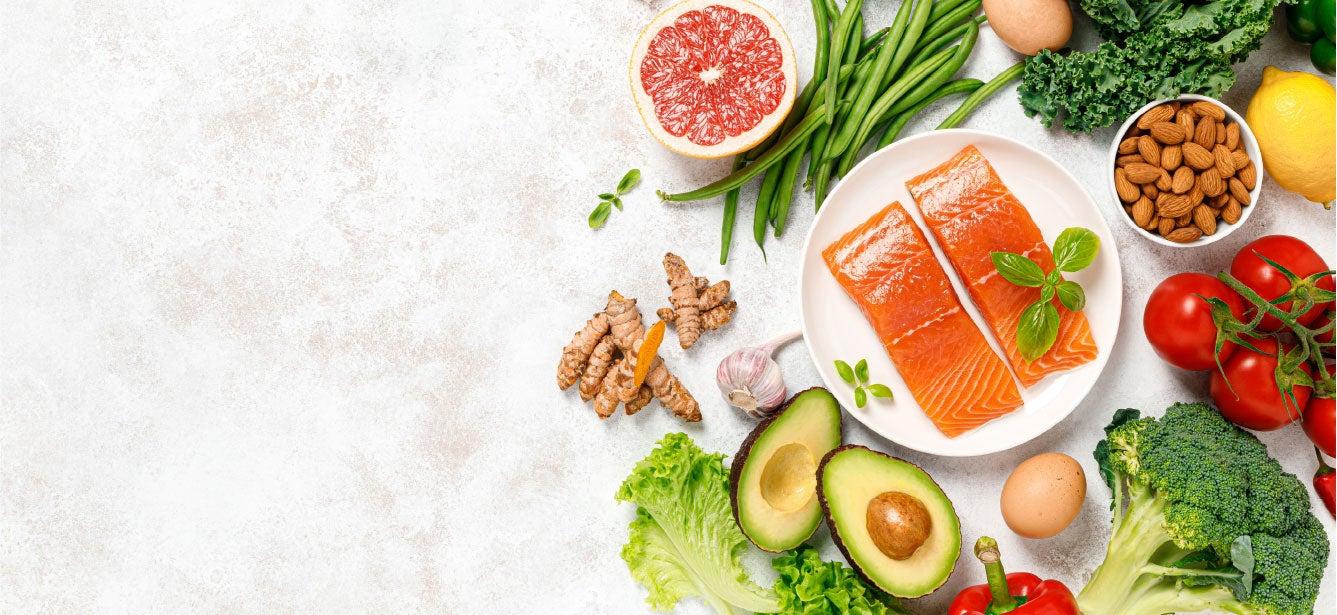
- Eat your protein first: Whether it’s eggs, lean meat, poultry, fish, or beans, prioritize the protein on your plate. Protein helps you feel satisfied and can also prevent blood sugar spikes after a meal.
- Make Greek yogurt your friend: Richer in texture and higher in protein than traditional yogurt, Greek yogurt has been found to reduce hunger and contribute to a feeling of being full. Use the plain, unsweetened variety and pair it with fresh chopped fruit and nuts. It can also be used as a healthy substitute for sour cream in dips and sauces.
- Snack smart: Keep string cheese, edamame, roasted chickpeas, or high-protein smoothies on hand for between-meal hunger. Lean jerky from grass-fed animals is another tasty, convenient way to ensure you get enough protein per day.
- Try plant-based sources: Beans, lentils, tofu, edamame, and quinoa all offer high-quality protein and are generally budget-friendly. Just one 2.45 oz. serving of white beans is packed with nearly 25 grams of protein, while a half-cup of firm tofu has about 22 grams. A one-cup serving of quinoa has 8 grams of protein.
- Add protein boosts: Stir milk powder into creamy soups or oatmeal or sprinkle almonds or chia seeds on salads. Mix a dollop of protein-rich cottage cheese into mashed potatoes. All of these “stealthy” pops of protein add up over the course of a day.
- Consider oral nutrition supplements (ONS): If you or your care recipient struggles with appetite or chewing, oral nutrition supplements designed for older adults can help fill the gaps as snacks or mini meals. These come in a variety of forms (e.g., powders, puddings, ready-to-drink liquids) and flavors, and some are designed to address specific nutrient deficiencies (e.g., protein) or certain health conditions (e.g., diabetes).
A few thoughtful swaps—like replacing your usual white toast with whole-grain toast topped with peanut butter—can make it easier to reach your protein goal without feeling burdensome.
Tracking your protein intake
To see whether you’re hitting your target or falling short, try keeping tabs on your protein intake for a few days. You don’t need to weigh or measure every bite; just learn what typical portions look like.
Here are some general guidelines for estimating protein content:
- 3 oz of cooked meat, poultry, or fish (roughly the size of a deck of cards): 22-28 grams
- 1 cup of skim milk: 8 grams
- 4 oz. cottage cheese: 14 grams
- 6 oz. Greek yogurt: 18 grams
- ½ cup of beans or lentils: 7-11 grams
- 1 egg: 12.4 grams
- 1 tablespoon of peanut butter: 7 grams
Jot down what you eat for a few days or use a free diet tracking app to see how close you are to your goal. Once you have a basic sense of the protein you consume every day, you’ll naturally start to balance your meals better.
Why spacing protein throughout the day matters
It’s not just about how much protein you eat, but also when you eat it. Your body can only use so much at once to build and repair muscle tissue. Spreading your protein consumption evenly across meals helps you use it more effectively than eating most of it at dinner. It also keeps your energy steady and may help you feel fuller between meals.
If you’re an older adult, try to get roughly 20-30 grams of protein at each meal and about 10-20 grams at snack times. Here’s one example of what a balanced day with protein-rich meals might look like:
- Breakfast: 2 scrambled eggs, 1 slice of toast w/ ½ tbsp. of butter, 8 oz. of milk (23 grams)
- Lunch: Sandwich: 3 oz. meat, 2 oz. Swiss cheese, sliced tomatoes, lettuce, avocado, 2 tsp. salad dressing on a roll, 1 small apple (35g)
- Dinner: 3 oz. scallops, 1 cup steamed zucchini, 2 oz. cooked pasta w/ 1/2 tbsp. butter (18g)
- Snack: Handful of almonds (6g)
“Research shows spreading out protein intake every three to four hours or so into moderate doses versus a lot at once is associated with more optimal muscle repair and for those who are looking for growth, more optimal growth too,” board-certified sports dietitian Kelly Jones, RD, told Women's Health.
Your protein action plan
In older adulthood, we need to focus on fueling our body with the right nutrients—and protein tops that list.
To get your protein intake on track, starting today:
- Aim for about 1.0-1.2 grams of protein per kilogram of body weight (or 70-80 grams of protein for day for most older adults).
- Include high-protein foods at every meal and snack.
- Spread your protein intake evenly throughout the day.
- Track your intake for a few days to understand your average protein intake and adjust as needed.
Even modest tweaks to your diet—like snacking on nuts or low-fat cheese instead of crackers—can have lasting benefits for your health and overall quality of life.
If you’re not sure whether you’re getting enough, try using a protein intake calculator or connect with a registered dietitian or registered dietitian nutritionist (RDN). They can help you figure out the right nutrient targets for your age, activity level, and health goals.
Want to know more? Learn the telltale signs you’re not getting enough protein.
Source
1. J L Krok-Schoen, et al. Low Dietary Protein Intakes and Associated Dietary Patterns and Functional Limitations in an Aging Population: A NHANES analysis. Journal of Nutrition, Health and Aging. 2019. Found on the internet at https://pubmed.ncbi.nlm.nih.gov/30932132/
Resource Made Possible By
Not sure if you're getting enough protein?
Many older adults don’t get enough protein—putting muscle health at risk. Use this quick protein calculator from Nestle's BOOST® to see how much your loved one really needs.