

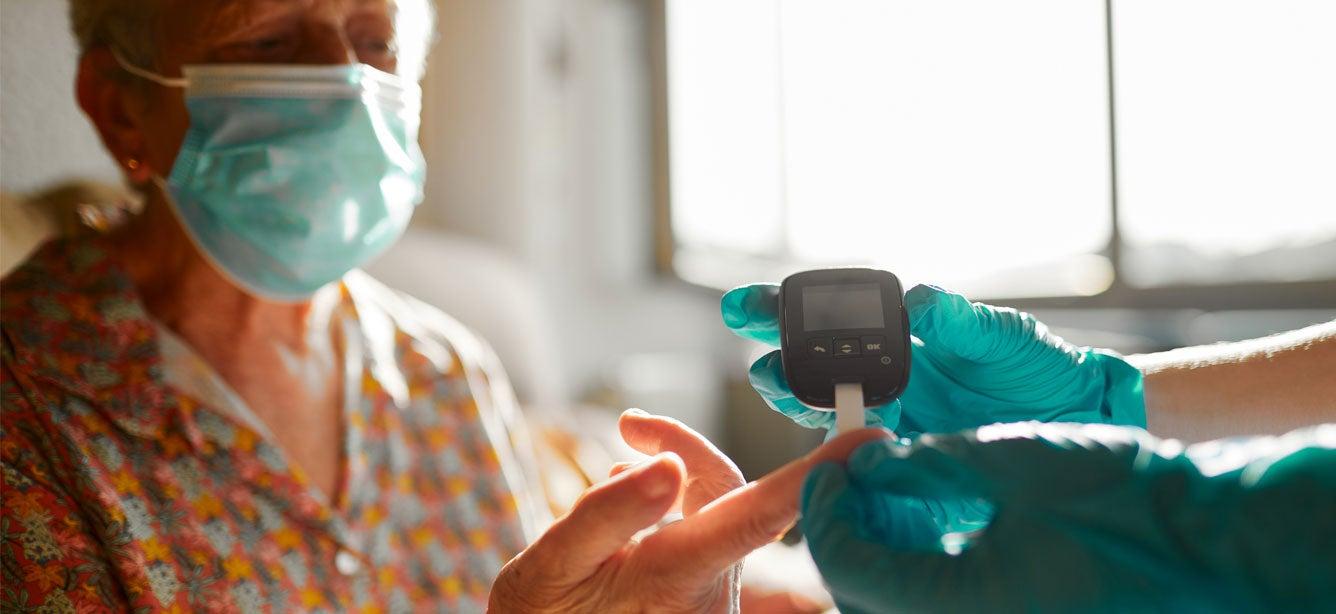
For people with chronic conditions, Medicare provides essential coverage that can help them manage their symptoms and stay healthy. One chronic disease that impacts many older adults is diabetes, the seventh leading cause of death in the United States.1
According to recent data from the American Diabetes Association, over 40 million Americans (12% of the population) are living with diabetes. Nearly 30% of people age 65 and older have this condition.1
When diagnosed and treated early, diabetes can be managed effectively. Eating right and being active play an important role. And if you have Medicare, your benefits can help pay for vital diabetes care and medications. Read on to learn more about Medicare coverage for diabetes.
What does Medicare cover for diabetes?
Coverage for diabetes is primarily provided under Medicare Part B (Medical Insurance) and Part D (Prescription Drug Coverage). Together, they cover:
- Tests to tell if you have diabetes
- Drugs and supplies you will need if you have diabetes
- Services that can help you manage your diabetes and stay healthy
Medicare Part B covers up to two diabetes screenings each year if you are at risk for the disease. It also covers many of the supplies and services you may need to control your diabetes. What's more, Part B covers participation in a Medicare Diabetes Prevention Program, a six-month health behavior change program designed to help you prevent type 2 diabetes. You're eligible for this program if you're at risk for type 2 diabetes and you meet other requirements, such as having a body mass index (BMI) of at least 25 (23 if you're Asian).
Medicare Part D covers insulin, diabetes drugs, and certain supplies. But there are times when Part D does not cover insulin, diabetes drugs, or supplies. For example, Medicare Part B, not D, covers external insulin pumps and the insulin used in them.
What does Medicare NOT cover for diabetes?
If you have diabetes or are at risk, Medicare can help you manage your condition and help prevent severe health problems that go along with diabetes. But it does not cover everything. Here are some services people with diabetes commonly need that Medicare does not cover:
- Eye exams for glasses. These are called eye refraction exams.
- Note: There is a special type of eye exam Medicare will cover for people with diabetes. This exam, called a dilated exam, checks for damage to your eyes. If not controlled, diabetes can cause serious problems to your vision. Medicare will cover this exam once every 12 months.
- Routine physical exams. These are exams beyond the one-time “Welcome to Medicare” physical exam. Medicare will cover an Annual Wellness visit every 12 months. Learn more about the annual wellness visit.
- Certain obesity treatments. Obesity is a major risk factor for diabetes and other chronic diseases. Medicare covers Intensive Behavioral Therapy for Obesity if you have a BMI of 30 or more. It may also pay for bariatric surgery in some cases.
You must follow Medicare rules to get specific types of diabetes coverage. For example, you must get a doctor’s prescription for some services or seek care from certain professionals. Paying close attention to these rules will save you money. If you do not follow them, you may have to pay the full cost for a certain treatment, service, or product.
Medicare-covered products and supplies
Medicare covers a range of supplies to help you keep your blood sugar levels under control. This can help prevent damage to your blood vessels, eyes, kidneys, and nerves from your diabetes.
Coverage includes:
- Equipment that lets you test your blood sugar
- Medical supplies that help you take insulin
- Specialized orthopedic footwear
- A foot doctor, or podiatrist, or other qualified doctor must prescribe the shoes or inserts. A doctor or someone else who is qualified must fit you for the shoes and give them to you.
Medicare Part B covers some of this equipment. Medicare Part D covers other drugs and the supplies to use in taking those drugs. It is important to understand the differences, so you can get your supplies on time and save money.
Get supplies and equipment to test blood sugar and take insulin
Your doctor must give you a prescription for your blood sugar self-testing equipment and supplies.
You can:
- Order and pick up your supplies at your drugstore
- Order supplies from a medical equipment supplier. A supplier is a company, person, or agency that offers them outside of a hospital or skilled nursing facility.
You must place this order yourself, using your doctor’s prescription. Your doctor cannot order supplies for you.
Medicare preventive services for people with diabetes
If you have diabetes, Medicare covers certain preventive services for you. Your doctor must write an order or referral for you to get some of them, including:
- Tests to see if you have diabetes, called a diabetes screening
- Training to help you manage your diabetes
- Advice on what to eat, called medical nutrition therapy services
- Blood sugar tests, called hemoglobin A1C tests
- Special eye exams
You do not need an order or referral for these:
- Foot exams and treatment
- Eye exams to test for glaucoma
- Shots for flu and pneumonia
- “Welcome to Medicare” physical exam
- Annual Wellness Visit
“For older adults with diabetes, Medicare coverage can significantly ease the cost of basic supplies like insulin and test strips,” said Ryan Ramsey, Associate Director of Health Coverage and Benefits at NCOA. “But it doesn’t cover everything. Understanding how Parts B and D work together, and what you’re responsible for paying out of pocket, is key.”
Have questions about your Medicare diabetes coverage?
Your local State Health Insurance Assistance Program (SHIP) can help. These programs offer free, 100% unbiased benefits counseling to older adults with Medicare and their families and caregivers. Visit the SHIP website to find your state's program or call 1-877-839-2675.
Source
1. American Diabetes Association. Statistics About Diabetes. Found on the internet at https://diabetes.org/about-diabetes/statistics/about-diabetes