
Related Topics
For many Medicare recipients, the first sign that they have been targeted by a multi-billion-dollar fraud scheme isn't someone stealing their money. Sometimes, it's a confusing item on their Medicare statement for supplies they’ve never used or potentially didn’t receive.
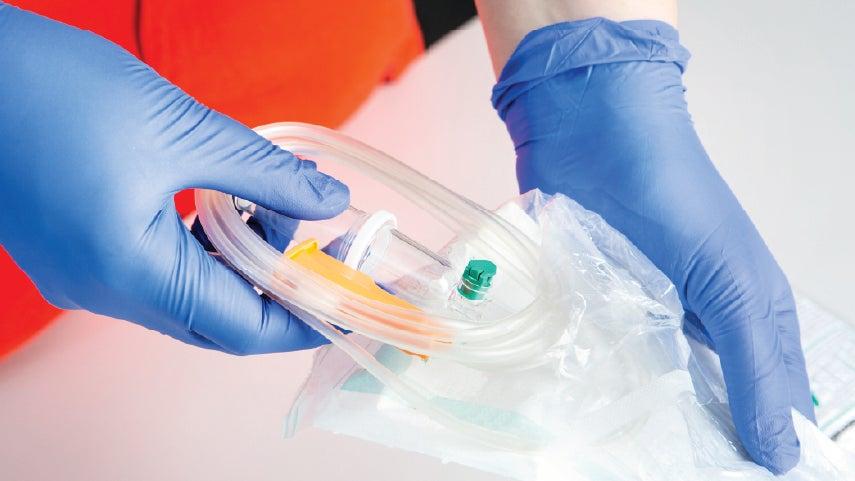
Fraudulent durable medical equipment (DME) providers exploit low-oversight items, such as bandages or thermometers, to “fly under the radar,” because the likelihood of someone noticing these items on their bill is slim. One of these items, a urinary catheter, has silently become a very profitable DME scheme.
By acquiring small, established medical supply entities, scammers have turned urinary catheters and other DME supplies into a pipeline for unlawful profit.
In 2024, the U.S. Department of Health and Human Services Office of Inspector General (HHS-OIG) alerted the public on this evolving fraud scheme, and it continues to be a concern.
How to protect yourself from DME fraud
How do you protect yourself and loved ones from urinary catheter fraud? First and foremost, protect your identity. A person’s medical identity can be used over and over again before it is detected because it takes time to process health care claims. Once a scammer gets your personal information, they can start billing every month for services or supplies, like urinary catheters or other DME, you do not need or never receive. A danger is that this information can go on your health records, making a doctor think you have a diagnosis that you don’t.
Here are some other tips:
- Sign up for the National Do Not Call Registry if you are receiving unsolicited calls that ask for your personal information. This helps to protect your Medicare number and Social Security number.
- Find tools to help with detection. The Senior Medicare Patrol (SMP) offers a My Health Care Tracker booklet and an SMP Medicare Tracker mobile app at no cost.
- Check your Medicare statements for items you don’t recognize, didn’t receive, or didn’t request. Learn how to read a Medicare Summary Notice (MSN). If you have Original Medicare, here is an example from an MSN a potentially fraudulent urinary catheter claim:

If you have a Medicare Advantage (MA) plan, you receive Explanations of Benefits (EOBs) and claims may be listed differently than on MSNs.
Lastly, use educational materials to help prevent fraud from happening in the first place. Check out the SMP Fraud Schemes page, which details many types of fraud, including medical identity theft and DME fraud.
The SMP provides education and outreach to their local communities. Use the SMP Locator to find your local SMP or to report potential health care fraud or abuse.
By learning how to spot the warning signs of DME fraud and taking simple steps to protect your information, you can reduce your risk and help stop Medicare scams before they cause harm.