
Related Topics
With over 16 evidence-based falls prevention programs approved by the Administration for Community Living (ACL), choosing the right one for your community can feel overwhelming. Varying in their specific approaches, target populations, and intervention strategies, some key considerations when selecting a program include:
- Level of falls risk addressed
- Staffing and training demands
- Flexibility in delivery (e.g., in-person, remote, hybrid)
Consider the level of falls risk addressed
Older adults experience varying levels of fall risk. For example, someone with mobility challenges but no history of falling may benefit from a preventive, low-intensity program. In contrast, individuals with a history of falls may require a more intensive clinical intervention. Just as no two older adults are the same, falls prevention programs also vary in their design and focus.
Programs like Otago Exercise Program (OEP) offer personalized strength and balance training delivered by a physical therapist and are ideal for those at a high risk of falling. On the other hand, Active Choices provides remote guidance and support, allowing people to choose when and where to be active. This flexibility works well for adults who are already active and looking to maintain their fitness.
The following chart outlines programs that are well-suited for older adults at high risk of falling:
|
Program |
Why It’s Good for High Risk |
|
While often used for moderate risk, it is also suitable for high-risk individuals who are fearful of falling and beginning to limit activities. | |
|
CAPABLE (Community Aging in Place – Advancing Better Living for Elders) |
Ideal for older adults with multiple health and functional limitations. Includes nursing, OT, and home modifications. |
|
Used in tandem with FallsTalk but specifically targets fall risk behaviors using simulation and tailored strategies. | |
|
Suitable for adults with lower-extremity joint pain or high risk of falling, combining exercise with health education. | |
|
Designed for those who have fallen in the past year or are fearful of falling. Uses multiple behavior change strategies. | |
|
Focuses on balance improvement and reducing fall risk in moderate-to-high risk adults. |
Consider staffing and training demands
When staff capacity is limited, program reach can be limited, too. Selecting a falls prevention program that matches your organization’s capacity helps avoid implementation delays, staff burnout, and poor participant experiences.
This consideration is just as important during training as it is during program delivery. Well-trained staff who aren’t stretched too thin are more likely to maintain program fidelity, lead sessions safely and consistently, and keep participants engaged throughout the program.
Programs with low training demands, like Stay Active and Independent for Life (SAIL) and FallsTalk, may be more cost-effective for small or rural organizations; these programs offer in-person or hybrid facilitator training options. Other considerations regarding staffing and training demands include:
- Some programs require certified instructors, licensed clinicians (e.g. Registered Nurse, Occupational Therapist, Physical Therapist), or multiple facilitators per session
- Training time can range from 2 hours to 70 hours. If training is too intensive, you risk delays in program launch, staff burnout, high staff turnover, etc.
Consider flexibility in delivery (in-person, remote, hybrid)
While in-person classes provide important opportunities for social connection, they are not accessible to all older adults, particularly those living in rural areas, facing transportation or mobility challenges, serving as caregivers, or who are homebound.
Choosing evidence-based falls prevention programs with flexible delivery options allows you to better meet participants' individual needs. These flexible formats reduce scheduling challenges, serve individuals who prefer low-tech options like telephone-based support, and allow programs to continue during weather disruptions or seasonal health outbreaks (e.g., flu season). Bingocize blends bingo with exercise and/or health education, and is available in various formats, including in-person, at home, in the community, virtually, and by telephone.
Also see NCOA’s tipsheet: Delivering Falls Prevention Programs Remotely: Best Practices and Lessons Learned.
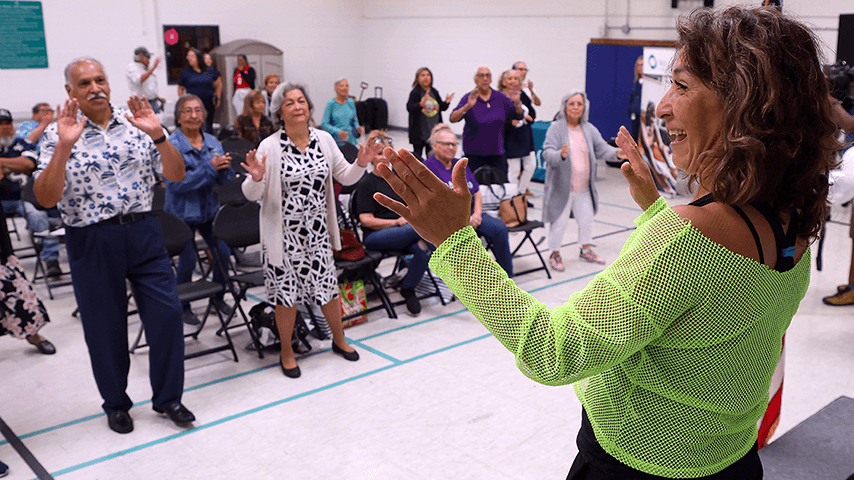
Photo by Richard Rodriguez/Getty Images for NCOA
This project was supported by the Administration for Community Living (ACL), U.S. Department of Health and Human Services (HHS) as part of a financial assistance award totaling $5,000,000 with 100 percent funding by ACL/HHS. The contents are those of the author(s) and do not necessarily represent the official views of, nor an endorsement, by ACL/HHS, or the U.S. Government.