

Related Topics
Protein isn't just for athletes and weightlifters. If you’re an older adult, this nutrient is critical to living an active and independent life. Yet roughly 1 in 3 people over 50 fall short of their daily protein needs.1
Protein deficiency can show up as fatigue, weight loss, and even mood changes. These aren't just "normal signs of aging." They're often red flags that your body isn’t getting what it needs to function at its best.
The upside? Consuming a little more protein each day can make a big difference in how you feel and your quality of life. Whether you’re caring for someone or focused on your own health, we’ll explore the signs of insufficient protein intake, why it matters, and how to keep your diet balanced.
Why is protein so important as you age?
Muscle, strength, and independence
Did you know around age 30, we start to lose 3-5% of our muscle mass every decade?2 When muscle wasting becomes advanced, usually due to a combination of older age and lack of physical activity, it’s known as sarcopenia. This progressive condition—which affects 10-20% of older adults2—can make everyday activities more difficult. Sarcopenia also increases the risk of falls and bone fractures.
Exercising regularly (including strength training) and getting enough protein can play a key role in slowing age-related muscle loss.
Immune health and recovery
Protein also powers our immune system. Our bodies use protein to create antibodies that fight off illnesses, helping support a healthy immune system. When that protein is in short supply, our immune defenses could weaken, making it easier to get sick and harder to recover.
Protein is also vital for healing. Whether it’s recovery from major surgery or a small scratch, protein is fundamental to tissue repair and the regeneration of blood vessels. Without it, bruises may take longer to heal and wounds may take longer to close.
What are the signs of insufficient protein intake?
Low protein levels can develop gradually. Symptoms of a deficiency are often overlooked or chalked up to age-related decline. That’s why it’s important to know what to watch for.
Below are eight signs of insufficient protein intake:
- Fatigue and weakness: If you feel sluggish even after a good night’s sleep, or notice you have less energy for everyday activities, low protein could be to blame. Protein helps manage blood sugar and energy production. Without it, your stamina drops and daily tasks—like cooking, taking a shower, or cleaning—can feel exhausting.
- Muscle loss or decreased strength: One of the most noticeable signs of insufficient protein intake is muscle loss. Your muscles break down faster than they can rebuild, leaving you weaker over time. You might notice clothes fitting looser around your arms or legs, or you find you have more trouble getting up from a chair.
- Brittle hair and nails and skin problems: Protein supports the production of elastin, keratin, and collagen—all key components for healthy hair, skin, and nails. If your hair is thinning, your nails are splitting easily, or your skin always feels dry, those might be signs of insufficient protein intake.
- Slow wound healing: Do you notice scrapes or bruises taking longer to fade? Protein is involved in the production of collagen and cytokines, which are essential for repairing skin and tissue. Insufficient intake can hinder the healing process.
- Frequent illness or infections: Protein fuels the production of antibodies, which help your body fight off bacteria and viruses. When your diet doesn’t include enough, you may experience more illnesses and infections and have a tougher time recovering.
- Swelling (edema): Protein deficiency can cause fluid to build up in your hands, abdomen, legs, or feet. This happens when low protein levels affect how your body regulates fluids.
- Anemia: Proteins help your body make hemoglobin, the main component in red blood cells responsible for delivering oxygen to the body’s tissues. A lack of protein in your diet could affect your body’s ability to produce healthy red blood cells, which can lead to anemia.
- Mood changes or brain fog: Protein is made up of amino acids. These help your body produce brain chemicals like serotonin and norepinephrine, which affect mood, focus, and alertness. When you don’t get enough protein in your diet, these chemicals can drop—raising your risk for mood changes or even depression.
If you’re dealing with several of the symptoms above, it’s worth taking a closer look at your eating habits and protein sources. The earlier you can identify a deficiency, the sooner you can take steps to get your diet on track.
Note that some of these symptoms—especially weakness, brittle hair, edema, anemia, and poor wound healing—can also be caused by a vitamin C deficiency and should be evaluated by your health care provider. Severe vitamin C deficiency can lead to a disease called scurvy, which may be life threatening if not treated.
Who is at risk for low protein intake?
Older adults tend to not get enough protein for a few reasons. As we age, we’re more likely to encounter nutrition challenges like low appetite, taste changes, dental problems, difficulty chewing, and other barriers that stand in the way of healthy eating habits.
“Emphasizing and paying attention to your sources of protein to make sure you’re getting enough is a good idea if you’re over 65,” registered dietitian Danica Cowan, MS, RD told the San Francisco Chronicle. “A lot of older individuals tend to not prioritize protein, older women in particular.”
People recovering from illness, injury, or surgery also have higher protein needs. That’s because their body is working overtime to repair tissue and fight off infection. Without enough protein, the healing process takes longer.
Another group that may have insufficient protein intake is those following restrictive diets—whether for weight management, affordability, or personal preference. When we trim protein-rich foods like meat or dairy from our diet, it’s easy to unintentionally cut our intake too low.
How much protein do I need?
Older adults should aim for 1-1.2 grams of protein per kilogram of body weight per day, according to the National Resource Center on Nutrition and Aging. Note: One kilogram translates into about 2.2 pounds. That’s roughly 70-90 grams for a person who weighs 150-180 pounds.
If you’re not sure how much protein you need each day, a health care provider or registered dietitian can help calculate a goal that fits your health needs and activity level. You can also use an online protein calculator as a helpful starting point.
How can I get more protein into my diet?
Getting enough protein doesn’t have to mean orchestrating elaborate meal plans. With a few simple swaps and additions, you can meet your needs while still enjoying your favorite foods. Get started using the tips below:
✅ Include protein with every meal
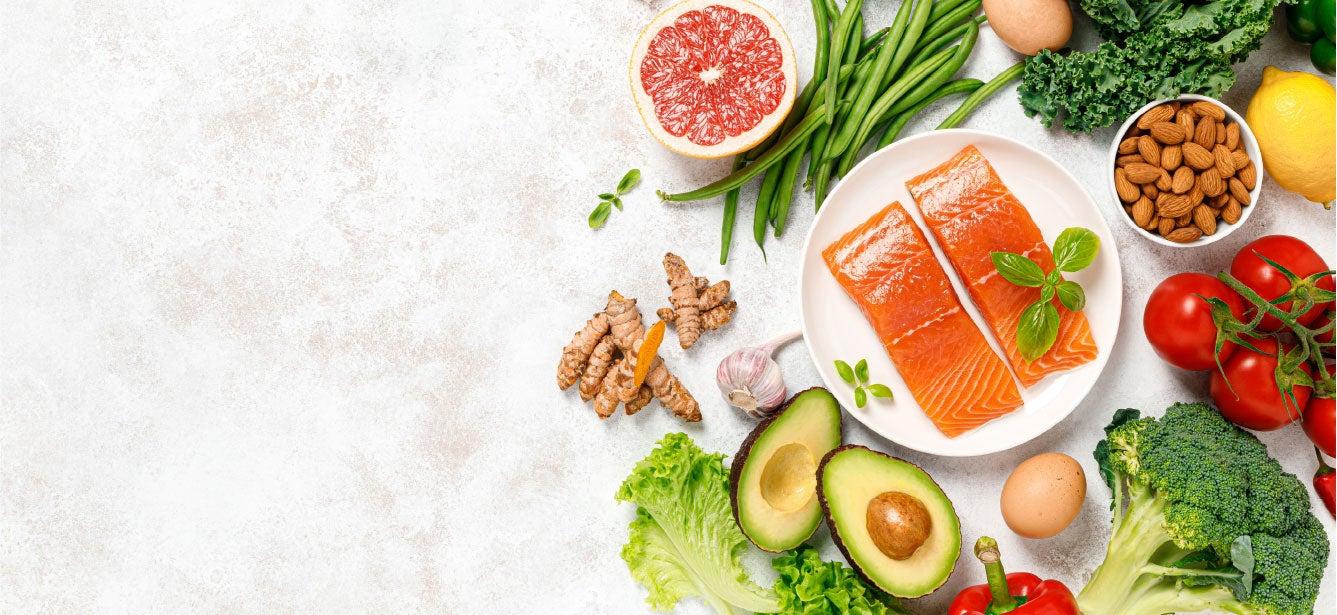
Start your day with eggs, your favorite Greek yogurt, or oatmeal mixed with milk and nuts. At lunch, try tuna salad, a chicken wrap, lentil soup, or a turkey sandwich. For dinner, enjoy chicken, fish, tofu, or beans paired with fresh vegetables and whole grains.
💡Caregiver tip: If you care for an older adult who struggles with cooking, prepare ready-to-heat high-protein meals or shakes ahead of time. You can also add powdered milk to oatmeal or soup to kick up the protein content.
✅ Combine plant and animal proteins
If you eat less meat, mix different plant-based protein sources like hummus with whole-grain pita bread, beans and rice, or quinoa with roasted vegetables. This will help ensure you get all essential amino acids.
✅ Keep easy, protein-rich snacks on hand
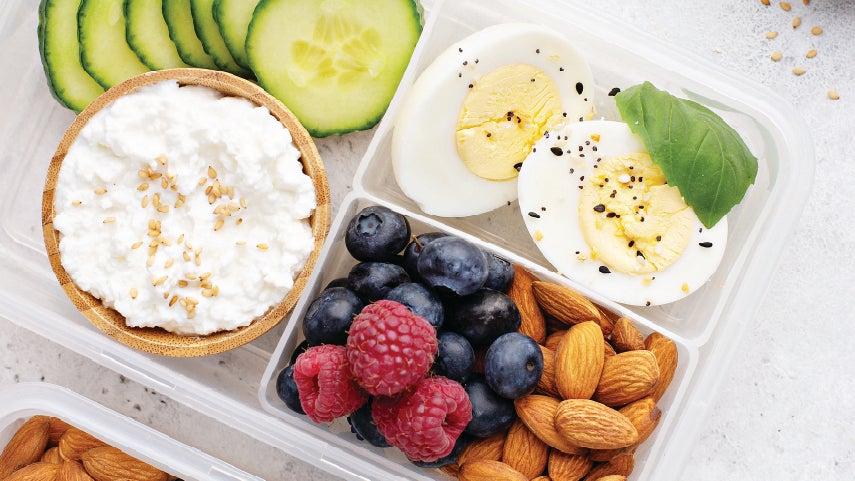
For in between meals or when you’re on the go, snack on cheese sticks, cottage cheese, edamame, boiled eggs, nut butter on fruit, or protein-fortified shakes. These small boosts throughout the day add up quickly.
✅ Consider oral nutrition supplements (ONS)
These products come as ready-to-drink shakes or powders you can build into your meal plan. They provide convenient, balanced nutrition that can fill nutritional gaps or serve as a quick snack. Many oral nutrition supplements are specially formulated to support higher protein or calorie needs. Even better, they come in a variety of flavors to fit your personal taste preferences.
✅ Stay active (and well-hydrated)
Research shows protein is best used by your body when you ingest it before or after light activity like walking or strength exercises. Staying hydrated helps your body use the protein you eat more effectively.
When to talk to a doctor or dietitian
If you or your care recipient is experiencing ongoing fatigue, weakness, weight loss, or slow healing, it may be a good ideal to seek professional help.
“Your doctor may order lab tests to check for signs of a protein deficiency or malnutrition,” said Gretchen Dueñas-Tanbonliong, MS, MPH, RDN, MCHES®, Associate Director of Health and Wellness at NCOA. “They may also connect you with a registered dietitian, who can take a close look at your eating habits and create a tailored plan that’s manageable for you. This is especially important if you have kidney disease, diabetes, or heart disease, where protein balance matters.”
Make protein a priority, starting today
As you get older, protein is one of your most powerful tools for staying strong, active, and independent. Recognizing early signs of insufficient protein intake—like fatigue or slower-healing wounds—gives you the chance to make simple changes that can help you age well.
“Your body depends on protein, so make it a priority when choosing which foods to eat,” Dueñas-Tanbonliong said. “You’ll feel the difference in your ability to get through each day and do the things you love to do.”
Sources
1. J L Krok-Schoen, et al. Low Dietary Protein Intakes and Associated Dietary Patterns and Functional Limitations in an Aging Population: A NHANES analysis. Journal of Nutrition, Health and Aging. 2019. Found on the internet at https://pubmed.ncbi.nlm.nih.gov/30932132/
2. NIH News in Health. Slowing Sarcopenia. Keep Your Muscles Healthy as You Age. April 2025. Found on the internet at https://newsinhealth.nih.gov/2025/04/slowing-sarcopenia
Resource Made Possible By
Not sure if you're getting enough protein?
Many older adults don’t get enough protein—putting muscle health at risk. Use this quick protein calculator from Nestle's BOOST® to see how much your loved one really needs.