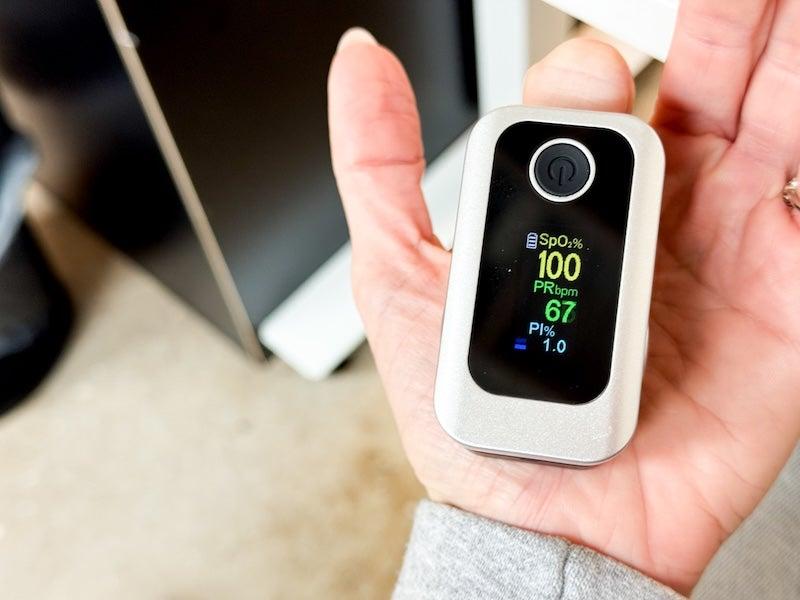

Oxiline Pulse Oximeter Review 2026
We researched Oxiline’s complete line of pulse oximeters. Learn more about each model and why we recommend Oxiline’s range of products.

- Oxiline pulse oximeters come in a range of features and prices to fit different health care needs and goals.
- The pulse oximeters on this list range from $49–$129 before applying any discounts.
- Oxiline offers four pulse oximeter models, from simpler, budget-friendly options to more advanced devices with data tracking and continuous overnight monitoring.
- Oxiline stands out for customer-friendly policies, including free shipping, a lifetime warranty, and a 30-day money-back guarantee.
- The brand is a great option for those seeking at-home oxygen monitoring with bright, easy-to-read screens and one-button operation.
To support our mission of helping everyone age well, we research, test, and recommend products and services, like home health monitoring devices, that you can trust. We’ve spent more than 50 hours conducting in-depth and hands-on research and testing. Here’s what we did to find the best pulse oximeters:
- Examined and mystery-shopped the top home health monitor brands and products, including pulse oximeters.
- Consulted registered nurses and board certified doctors to fully understand the importance and process of monitoring your oxygen saturation
- Personally tested pulse oximeters, comparing them in key factors such as ease of use, fit, display, accuracy, and data tracking
- Combed through verified customer reviews on the company and third-party seller websites
We’re constantly testing new home health devices to continue to share the most accurate and up-to-date recommendations. Read more about our home health device review methodology.
Monitoring your health metrics at home can help you manage chronic conditions, decide on the effectiveness of a treatment plan, and catch early warning signs of an illness. If you have COPD, asthma, sleep apnea, or another respiratory condition, a pulse oximeter can help measure your blood oxygen levels.
Blood oxygen or oxygen saturation levels, also called SpO2, can indicate a concern with heart or lung health. When blood oxygen levels drop too low, you may have breathing difficulties or reduced blood flow. If these low levels or symptoms persist, you may need medical assistance.
When we reviewed the best pulse oximeters on the market, we chose Oxiline as the best overall, as we like the brand’s ease-of-use, customer-friendly policies, and range of features. Oxiline offers four different pulse oximeters, allowing you to find an option that fits your preferences and budget.
In this Oxiline pulse oximeter review, we outline what makes each model unique, compare their features and pricing, and highlight what you should consider before purchasing your own.
Why we recommend Oxiline pulse oximeters
Oxiline’s home health devices have consistently topped our recommendation lists for their simple setup, clear displays, and convenience. We like that Oxiline offers users multiple options. Those seeking continuous monitoring, whether they’re asleep or awake, can choose the Pulse MD Pro. If you want to track your results and share them with your health care provider, you may want the XS Pro. For a straightforward, budget-friendly option, consider the 9S Pro or the 7S Pro.
Oxiline’s line of pulse oximeters aims to provide:
- Straightforward, one-button operation
- Clear, bold, bright, and user-friendly display
- Advanced features in newer models, such as data tracking and extra measurement metrics, like a perfusion index (the strength of your pulse)

Oxiline
Designed for reliable home health management, offers four models at a variet of prices
Oxiline pulse oximeters compared
| Comparison Features | ||||
|---|---|---|---|---|
| Display | 3” Crystal OLED |
1.5” Crystal OLED |
1.2” OLED |
1” LED |
| Display insights | SpO2, BPM, PI%, pleth graph |
SpO2, BPM, PI%, pleth graph |
SpO2, BPM, PI%, pleth graph |
SpO2, BPM |
| Companion app | Yes |
Yes |
No |
No |
| Best for | Overnight tracking |
Data tracking |
Beginners |
Basic tracking |
Understanding the Oxiline pulse oximeter models
Oxiline Pulse 7S Pro: The Basic Model
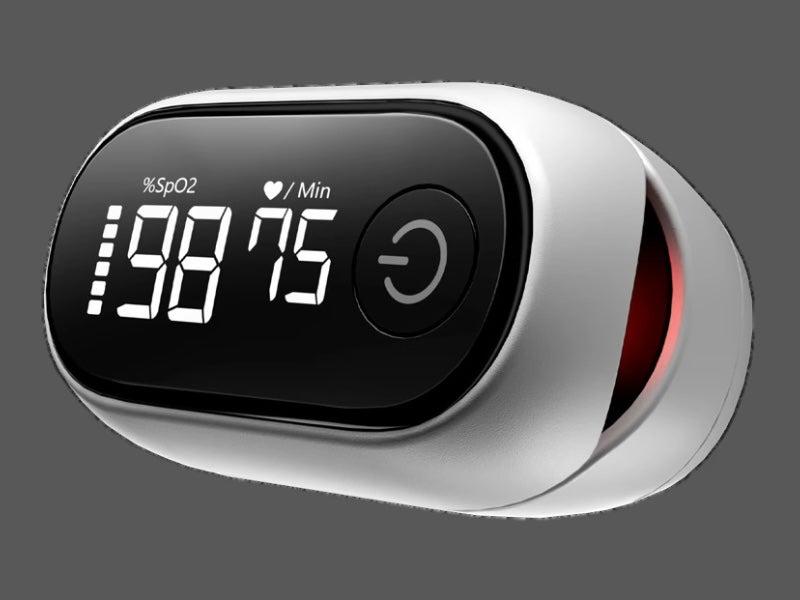
The Oxiline Pulse 7S Pro is Oxiline’s entry-level model, designed for daily use and fast results. This device features a no-slip grip and a rotating display to read results from any angle. These thoughtful details make the Oxiline 7S Pro a good choice for people new to monitoring their SpO2 at home.
Oxiline Pulse 7S Pro
- Type of pulse oximeter: Digital, fingertip
- What it measures: SpO2, BPM
- Battery type: Disposable (AAA)
- Battery life: 24 hours of continual operation
- Bluetooth compatible: No
Pros
- Beginner-friendly, straightforward interface
- Comfortable, no-slip grip
- Clear and accurate readings
Cons
- No app
- Long-term results must be tracked manually
- No additional health measurements
Oxiline Pulse 9S Pro: The Most Popular Model
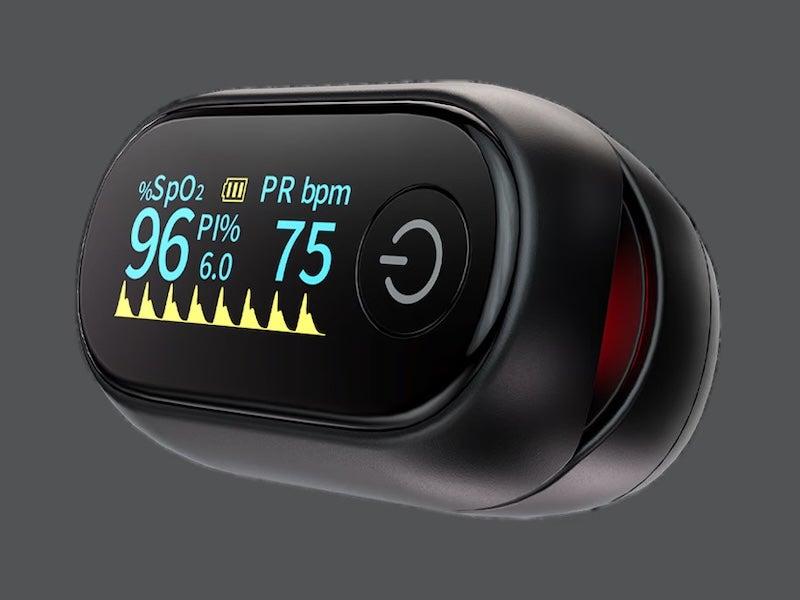
The Oxiline 9S Pro is the next step up from the 7S Pro, adding a multi-colored screen, alarm, and plethysmograph to the 7S Pro’s foundational features. It earned the best display in our guide to the best pulse oximeters for its sharp, bright OLED screen. This feature shows each data reading in a distinct, bold color for easier interpretation.
Oxiline Pulse 9S Pro
- Type of pulse oximeter: Digital, fingertip
- What it measures: SpO2, BPM, PI%, and pleth graph
- Battery type: Disposable (AAA)
- Battery life: 24 hours of continuous use
- Bluetooth compatible: No
Pros
- Bright, clear display
- Multicolored results
- Small, sleek design
Cons
- No app for automating tracking
- Slightly smaller screen than the XS Pro
Oxiline Pulse XS Pro: The Data Tracking Model
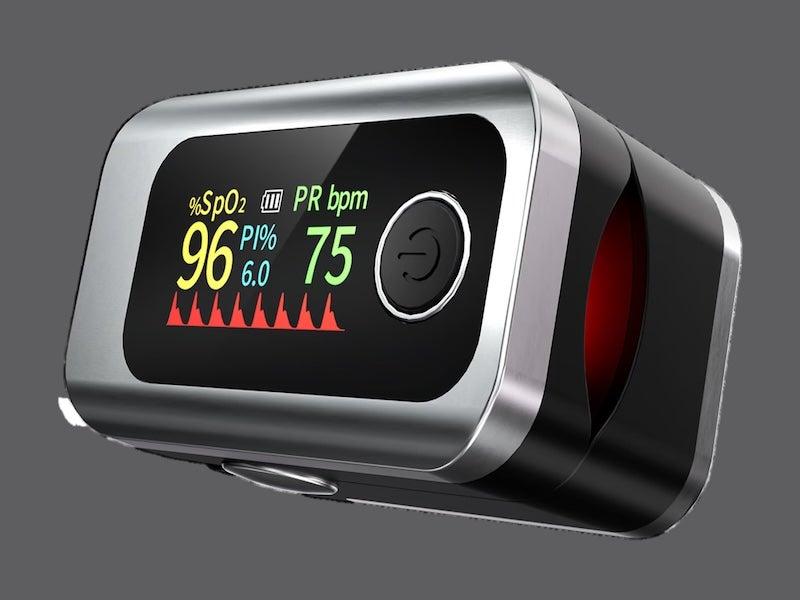
The Oxiline Pulse XS Pro earned the top spot in our guide to the best pulse oximeters for its accurate, reliable readings and robust tracking app. It also features a fast result time of under four seconds, a large 1.5” Crystal OLED display, and the ability to export results to share with your health care provider. We found that these features make XS Pro a valuable tool for home health care management.
Oxiline Pulse XS Pro
- Type of pulse oximeter: Digital, fingertip
- What it measures: SpO2, BPM, PI%, and pleth graph
- Battery type: Disposable (AAA)
- Battery life: 24 hours of continuous use
- Bluetooth compatible: Yes
Pros
- Color-coded results
- Tracking app
- Reminder options
Cons
- Battery compartment is difficult to open
- Testers thought manual was overwhelming
Oxiline Pulse MD Pro: The Overnight Model
The Oxiline Pulse MD Pro is the brand’s only model that’s designed for long-term use. It can be used for continual monitoring during the day or as an overnight device while you sleep. Its extended cable makes it easier to wear in bed without getting tangled. The Pulse MD Pro is a great choice for people who need uninterrupted oxygen tracking, such as those recovering from surgery or with complex medical conditions.
Oxiline Pulse MD Pro
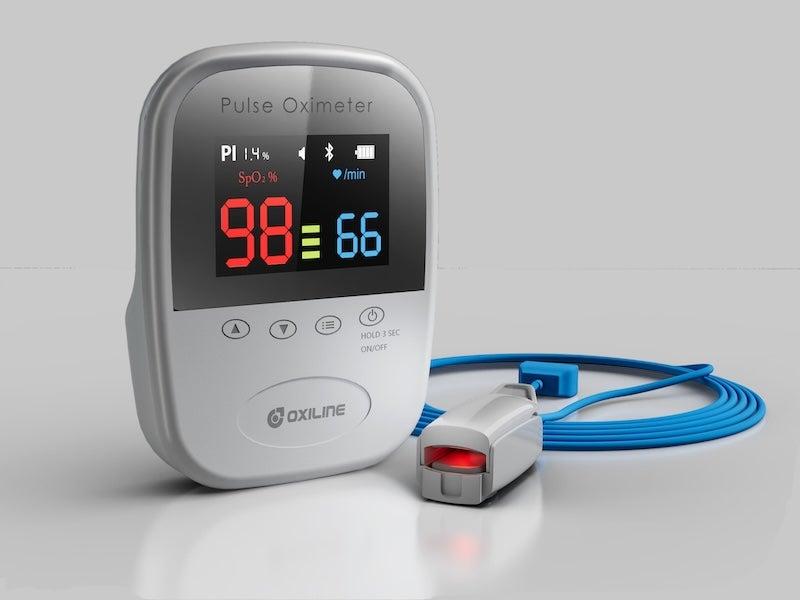
- Type of pulse oximeter: Digital, fingertip
- What it measures: SpO2, BPM, PI%, and pleth graph
- Battery type: Rechargeable
- Battery life: 14 hours
- Bluetooth compatible: Yes
Pros
- Detachable 3-foot cable
- Continuous, uninterrupted readings
- Large display
Cons
- Most expensive on the list
- Short battery life
The Oxiline customer experience
- Warranty and trial period: Oxiline offers a 30-day return policy and a lifetime warranty.
- Financing: No
- Customer service: If you need additional assistance, you can visit the Oxiline customer support page to fill out an online contact form, call, or send an email.
- Phone: 1-833-694-5463, Monday through Friday from 9 a.m. to 5 p.m. ET
- Email: support@oxiline.shop
Warranties
Oxiline is the only brand we tested that offers a lifetime warranty on its pulse oximeters. If your pulse oximeter has a defect, contact Oxiline’s customer service specialists for assistance in getting your issue resolved. Make sure to have the model number ready for reference.
The biggest benefit [of my home health monitoring device] is not having to go to my local pharmacy or to my local clinic to check on things that I can check at home.”
—2025 Home Health Survey Respondent
Oxiline pulse oximeter costs and purchasing options
Oxiline’s line of pulse oximeters costs $49–$129. Each model’s price reflects its features. For example, the $49 Pulse 7S Pro is the most affordable and most basic Oxiline pulse oximeter. At $129, the Pulse MD Pro is the most advanced. When choosing the right device, compare features and tools with the price to find the best value for your budget.
Oxiline accepts both HSA and FSA payments for its products, which can help save you money because you are using pre-tax dollars to purchase your pulse oximeter.
Cost of Oxiline pulse oximeters compared
| Comparison Features | Pulse MD Pro |
Pulse XS Pro |
Pulse 9S Pro |
Pulse 7S Pro |
|---|---|---|---|---|
| Cost | $129 |
$119 |
$79 |
$49 |
| Standout features | Detachable cable, continuous monitoring |
Tracking app |
Clear, bright display |
Straightforward, accurate readings |
Where to buy Oxiline pulse oximeters
You can buy Oxiline pulse oximeters directly from the company on their website. We recommend this option because it ensures the warranty applies to your device. Aftermarket or third-party purchases might not qualify.
If you choose to purchase your Oxiline pulse oximeters from a third-party retailer, you can find them on Amazon or at some medical retailers like Walgreens or CVS.
Who should use a pulse oximeter?
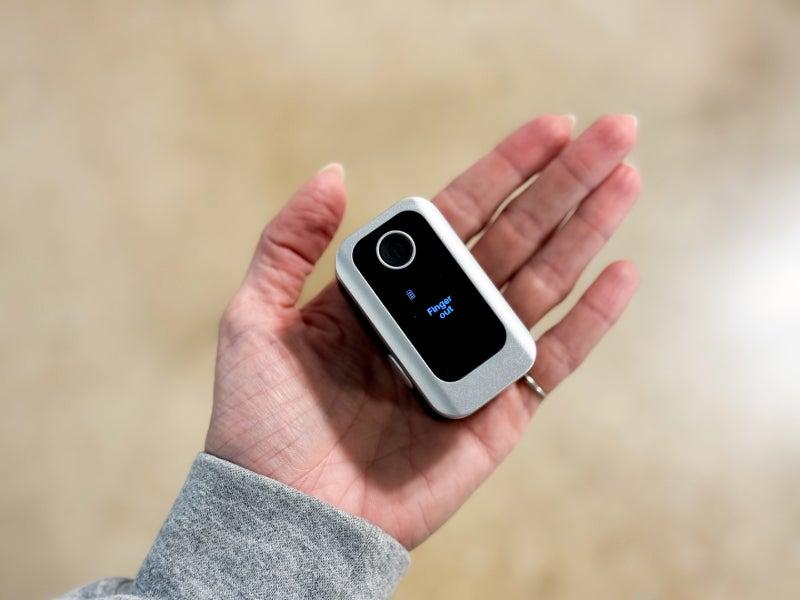
Pulse oximeters are designed for those who need to monitor their blood oxygen levels. If you have a chronic illness that can affect your breathing or participate in high-altitude sports like hiking, taking SpO2 readings can help ensure your levels are within a safe range.
People who use other home health monitoring devices, like blood pressure monitors, may also benefit from the additional information. You can read more in our guide to the best blood pressure monitors.
Some people who might need to use a pulse oximeter include:
- Those recovering from surgery
- Anyone with chronic conditions like asthma, COPD, or sleep apnea
- Caregivers responsible for monitoring health measurements
- Patients recovering from COVID-19
- Endurance athletes or people who participate in high-altitude sports
Pulse oximeters are also helpful for people who want to feel like they have more control over their health while at home. “I honestly feel a sense of relief to check my health as often as I can,” said one of our home health survey respondents.2
How to use a pulse oximeter
Taking a reading with a pulse oximeter is straightforward—just clip the sensor onto your fingertip and wait for the results to appear on the screen. Pulse oximeters are painless. They use infrared and red light to measure the amount of oxygen stored in the tissue. The amount of oxygen affects how much light is absorbed.
Typically, you’ll want to see a blood oxygen reading between 95-100%.3 If you live at a higher altitude or have a chronic condition that affects your oxygen levels, you might see a lower, but still safe, percentage. Generally, anything below 92% warrants a call to your doctor, and anything under 88% means you need immediate medical care. But your specific ranges will depend on your health and where you live, so ask your doctor for a personalized range.
"The most important consideration is to measure medical data that is relevant to the patient’s diagnoses so that their medical practitioner can then use it to guide the care, adjust medications, and modify treatment plans,” said Elisa Gil-Pires, MD, FACP, CMD, CPE, executive vice president of medical affairs, chief medical officer and medical director at Charles E. Smith Life Communities.
Factors that can affect pulse oximeter readings
Some factors can affect pulse oximeter readings and create inaccurate results. These include:
- Wearing nail polish
- Holding your hand above your heart level
- Cold and circulation issues
- Having calluses
Research has also shown that a person’s skin tone can affect the accuracy of a pulse oximeter.4 If you have darker skin tones or are Hispanic, Black, or Asian, your skin could possibly absorb different levels of infrared light, resulting in incorrect results. Make sure to bring up any concerns with your doctor.
Is an Oxiline pulse oximeter right for you?
Choosing the right pulse oximeter depends on your needs, diagnoses, and budget. We think Oxiline’s range of pulse oximeters offers a good range of features and tools, meeting a variety of budgets, so there’s a good chance one of them will fit what you need.
Before purchasing a pulse oximeter, ask yourself these questions:
- What metrics do I need to track while at home?
- Do I prefer to track results manually, or would I rather use an app?
- Do I need a device that’s for continual use?
- Do I prefer multi-colored displays?
Frequently asked questions
Are Oxiline pulse oximeters FDA-approved?
Oxiline pulse oximeters have FDA 510(k) clearance, meaning the FDA reviewed the devices and found them similar to other reviewed pulse oximeters. They are cleared for over-the-counter use.
How accurate are Oxiline pulse oximeters?
When used correctly, Oxiline pulse oximeters are considered accurate and reliable within a few percentage points of clinical devices. Still, if you're concerned about accuracy, always double-check your results with your doctor.
Can I use Oxiline pulse oximeters for medical diagnosis?
No, Oxiline pulse oximeters should not be used for a medical diagnosis unless done by a medical professional in a medical setting. They are designed to monitor oxygen levels, not provide a medical diagnosis.
What is a normal oxygen saturation level?
Most healthy adults have an SpO₂ reading between 95% and 100%. Levels below 92% are considered low and may require medical attention.
Can Oxiline pulse oximeters detect COVID-19 or pneumonia?
No. A pulse oximeter cannot diagnose illnesses such as COVID-19 or pneumonia.
Questions? Email us at reviewsteam@ncoa.org.