

Omron Blood Pressure Monitors Review 2026
Omron is one of the most established names in home blood pressure monitoring. In this review, we tested and compared Omron’s most popular blood pressure monitors to evaluate accuracy, features, and ease of use for at-home tracking.
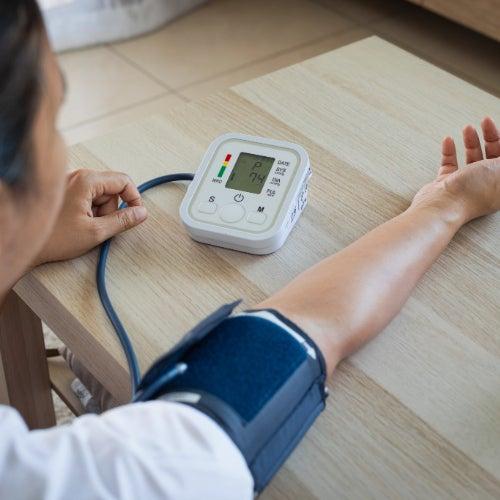
- We like Omron blood pressure monitors’ accuracy, brand reputation, and user-friendly designs.
- Omron blood pressure monitors typically range from $74–$120, depending on the model and features.
- Many Omron monitors include advanced features such as irregular heartbeat and AFib screening, Bluetooth app connectivity, and backlit displays for easier reading.
To support everyone’s right to age well, we research, test, and recommend products so you can find the right options to help you live your healthiest life. We’ve spent over 50 hours conducting in-depth, hands-on research and testing eight home health monitoring devices from seven brands to help you make an informed decision. To find the best home blood pressure monitors, we:
- Examined and mystery-shopped the top home health monitor brands and products, including blood pressure monitors
- Consulted registered nurses and board-certified doctors to fully understand the importance and process of monitoring your blood pressure from home, and determine key features to look for in a device
- Personally tested blood pressure monitors, comparing them in key factors such as ease of use, fit, display, accuracy, and data tracking
- Researched and reviewed articles and guidelines from reputable health organizations, such as the American Heart Association, to learn about the risk factors related to high blood pressure, lifestyle changes to lower blood pressure, and the importance of understanding and tracking blood pressure
- Combed through verified customer reviews of blood pressure monitors on the company and third-party seller websites
We’re constantly testing new blood pressure monitors to continue to share the most accurate and up-to-date recommendations. Read more about our blood pressure device review methodology.
If you’ve been diagnosed with hypertension, or high blood pressure, you might want to regularly check your blood pressure at home. According to the American Heart Association, home blood pressure monitoring can help your doctor know if your treatment plan is working or needs adjusting.1 Your doctor may also recommend at-home monitoring if you’re at risk of developing hypertension.
When choosing a blood pressure monitor for home use, accuracy matters. It’s important to look for a device that has been clinically validated and meets established standards for home blood pressure monitoring. Omron blood pressure monitor reviews are consistently positive. Some reasons why: the brand’s devices are tested for accuracy and widely used in both clinical and home settings. Omron is a reliable option for people who want to track their blood pressure at home.
To help you choose the right model, we compared several of Omron’s most popular upper-arm blood pressure monitors, including the 10 Series, 7 Series, 5 Series, and Platinum Series. While upper-arm monitors are generally recommended for the most accurate readings, we also reviewed the Omron 7 Series wrist blood pressure monitor. Wrist monitors are not typically recommended by the American Heart Association because they are more sensitive to body position and placement. But they may be a practical option for some people who have difficulty using an upper-arm cuff.1

Call 911 if your blood pressure is higher than 180/120 mm Hg and you experience chest pain, shortness of breath, back pain, numbness, weakness, changes in vision, or difficulty speaking.
Why we recommend Omron blood pressure monitors
We recommend Omron blood pressure monitors because they are accurate and simple to use. The devices are designed to make storing and sharing blood pressure readings straightforward. Omron has been manufacturing blood pressure monitoring devices for more than 90 years. The brand has a lengthy track record in both clinical and home health settings.
High blood pressure is common in the United States. Nearly half of U.S. adults have hypertension. The condition is defined as a systolic blood pressure of 130 millimeters of mercury or higher, or a diastolic blood pressure of 80 millimeters of mercury or higher.2 When blood pressure is not well managed, it can increase the risk of serious health complications such as a heart attack or stroke. Consistent and accurate blood pressure monitoring is especially important for people diagnosed with hypertension or those at increased risk.

Blood pressure monitors and pacemakers
The American Heart Association (AHA) notes that electromagnetic waves emitted by certain devices may interfere with implantable cardioverter-defibrillators (ICDs) and pacemakers. While the risks are limited, you should consult your physician before using a BP monitor that connects to Bluetooth or Wi-Fi if you have an ICD or a pacemaker.
To support confidence in home blood pressure monitoring, many devices undergo independent accuracy testing.3 Several Omron blood pressure monitors have been clinically validated. That means medical experts test the devices to ensure their readings are reliable when used as directed. This level of validation is one reason Omron is widely trusted by both health care professionals and people monitoring their blood pressure at home.
Omron

- Clinical validation for accuracy using established testing standards
- User-friendly designs with helpful features for at-home monitoring
- Options for digital tracking and sharing of blood pressure readings with a health care provider
Omron blood pressure monitors at a glance
| Comparison Features | ||||
|---|---|---|---|---|
| Display | Extra-large digits and backlight |
Extra-large digits and backlight |
No backlight |
No backlight |
| Data tracking | Yes |
Yes |
Yes |
Yes |
| Companion app | Yes |
Yes |
Yes |
Yes |
Understanding the Omron blood pressure monitors
Omron 10 Series
We like the Omron 10 Series for its large, clear display, streamlined design, and clinically validated accuracy. This upper-arm blood pressure monitor is designed to make tracking, storing, and sharing blood pressure readings simple. It includes features such as irregular heartbeat and AFib screening to provide more insight during at-home monitoring.
Omron 10 Series
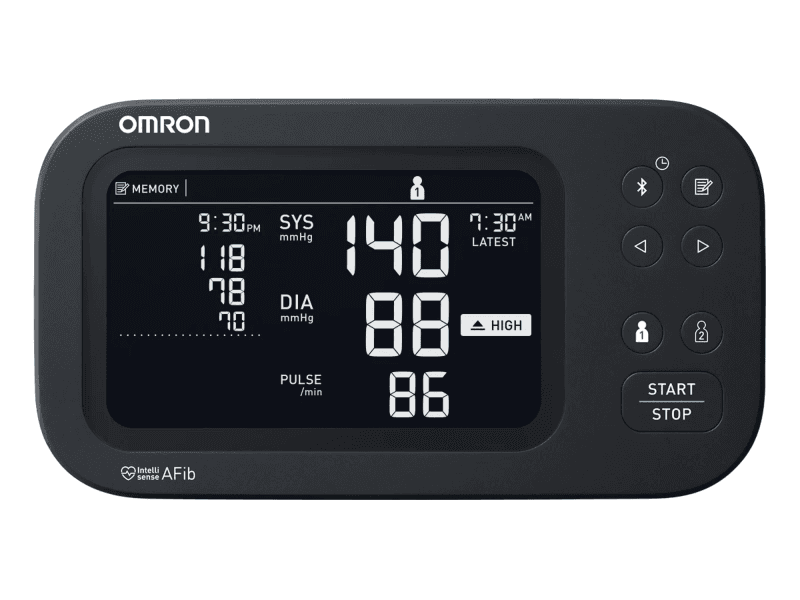
- Number of readings stored: 100 per user
- Easy data sharing: Yes, readings can be synced to a free app for sharing with your doctor
- Reading memory: 100 per user (two users total)
- App available: Yes, Omron Connect app
- Health metrics measured: Blood pressure, irregular heartbeat, and AFib screening
- Weight: 15.9 ounces
Pros
- Large, backlit display with clear digits for easier reading
- TruRead feature allows for automatic consecutive readings
- Sleek, modern design
Cons
- Does not include a storage case
- Some features overlap with the Platinum model, which may be available at a lower price
What’s different about the Omron 10 Series
The Omron 10 Series measures blood pressure from the upper arm, which is generally recommended for more accurate readings. The cuff fits upper arms with a circumference of 9–17 inches, making it suitable for a wide range of users.
The monitor can store up to 200 readings—100 per user—when paired with the free Omron Connect app. Once readings are synced, users can easily review trends over time and share their data with a health care provider.
One standout feature is Omron’s TruRead Technology. It automatically takes three consecutive readings at intervals you can select—15 seconds, 30 seconds, 60 seconds, or two minutes. The American Heart Association recommends taking multiple readings during a single session, so this built-in feature can help support more consistent at-home monitoring.1
The Omron 10 Series includes a five-year limited warranty, which is in line with many other models in Omron’s blood pressure monitor lineup.
Omron Platinum
The Omron Platinum blood pressure monitor includes features designed to make tracking trends over time easier and more consistent. Like the Omron 10 Series, it has a large, backlit display that’s clear to read and can store up to 100 readings per user for a total of two users.
Omron Platinum
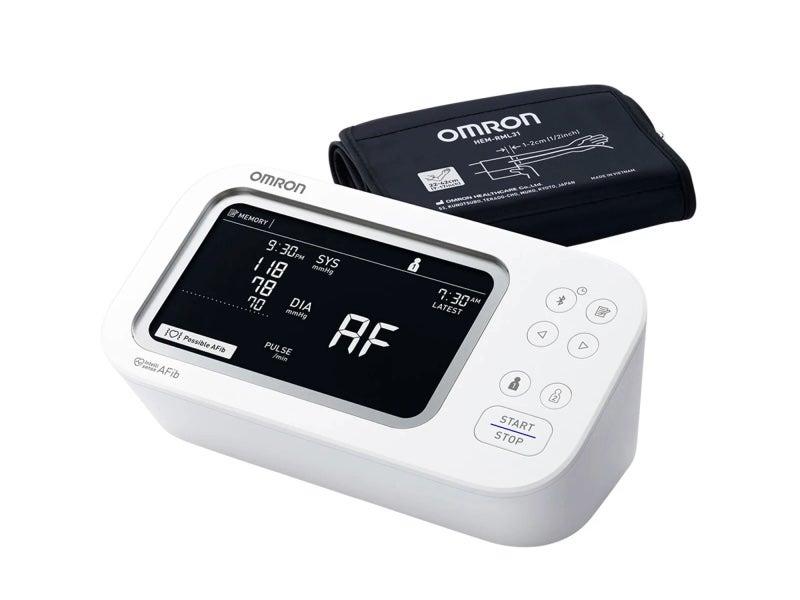
- Number of readings stored: 100 per user
- Easy data sharing: Yes, readings can be synced to a free app for sharing with your doctor
- Reading memory: 100 per user (two users total)
- App available: Yes, Omron Connect app
- Health metrics measured: Blood pressure, irregular heartbeat, and AFib screening
- Weight: 15.9 ounces
Pros
- Backlit screen with large numbers for easier reading
- Includes a morning hypertension indicator and advanced averaging features
- Comes with a longer limited warranty than some other Omron models
Cons
- Higher price compared to more budget-friendly Omron options
What’s different about the Omron Platinum
The Omron Platinum is a clinically validated upper-arm blood pressure monitor that can store up to 200 total readings. It stores 100 readings for each of two users. Its backlit display and clear layout make it a good option for people who may have difficulty reading smaller screens.
Like the 10 Series, the Platinum includes Omron’s TruRead Technology. It automatically takes three consecutive readings at set intervals. This can help users capture more consistent measurements during a single monitoring session. The Platinum also features Omron’s Advanced Averaging technology. This feature displays the average of up to three readings taken within a 10-minute period, helping users better see trends.
One feature that sets the Platinum apart is its High Morning Average indicator. This alert notifies users when their average morning blood pressure readings are at higher than recommended levels. Research has shown that elevated morning blood pressure can be linked to increased cardiovascular risk.4 Given this risk, we found this feature helpful for people who monitor their blood pressure regularly and want additional insight into daily patterns.
Omron 5 Series
The Omron 5 Series is one of the brand’s more affordable upper-arm blood pressure monitors. Like other Omron models, it's clinically validated to provide accurate readings. It’s designed for people who want a straightforward device without advanced features.
Omron 5 Series
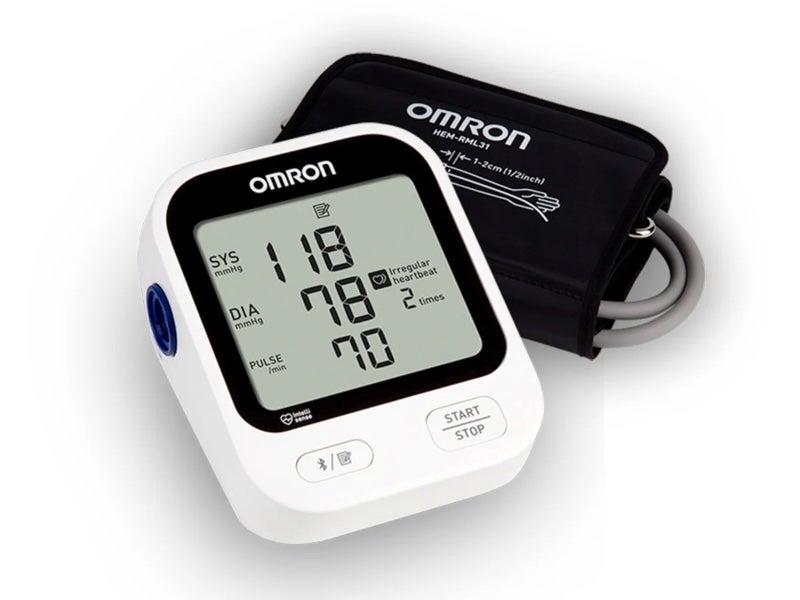
- Number of readings stored: 30 readings
- Easy data sharing: Yes, readings can be synced to a free app for sharing with your doctor
- Reading memory: 30 readings
- App available: Yes, Omron Connect app
- Health metrics measured: Blood pressure, irregular heartbeat alerts
- Weight: 12 ounces
Pros
- More affordable than many other Omron blood pressure monitors
- Can alert users to irregular heartbeats during measurement
- Lighter than the Platinum and 10 Series models
Cons
- Limited on-device memory, can only store 30 readings
- Designed for one user per device
- No backlit display
What’s different about the Omron 5 Series
The Omron 5 Series is a practical option for people who want an accurate, budget-friendly way to monitor blood pressure at home. The display is clear to read, though it does not include a backlight like the Platinum and 10 Series models.
While the monitor stores only 30 readings, it can sync with the Omron Connect app. The app allows users to track additional readings digitally and share their blood pressure data with a health care provider. This makes it easier to monitor trends over time despite the limited on-device memory.
One feature that sets the Omron 5 Series apart is its Irregular Heartbeat Counter. During a measurement, the monitor can alert users if it detects irregular heartbeats, up to three per reading. But it does not diagnose a heart condition. Discuss any irregular readings with your doctor.
Omron 7 Series Wrist
The Omron 7 Series Wrist monitor offers quick, quiet blood pressure measurements in a compact design. Note: The American Heart Association generally does not recommend wrist blood pressure monitors because they are less accurate than upper-arm cuffs. But they may be a practical option for people who have difficulty using an arm cuff. Ask your doctor whether the Omron 7 Series Wrist Monitor or other wrist device is an OK choice for you.
Omron 7 Series Wrist
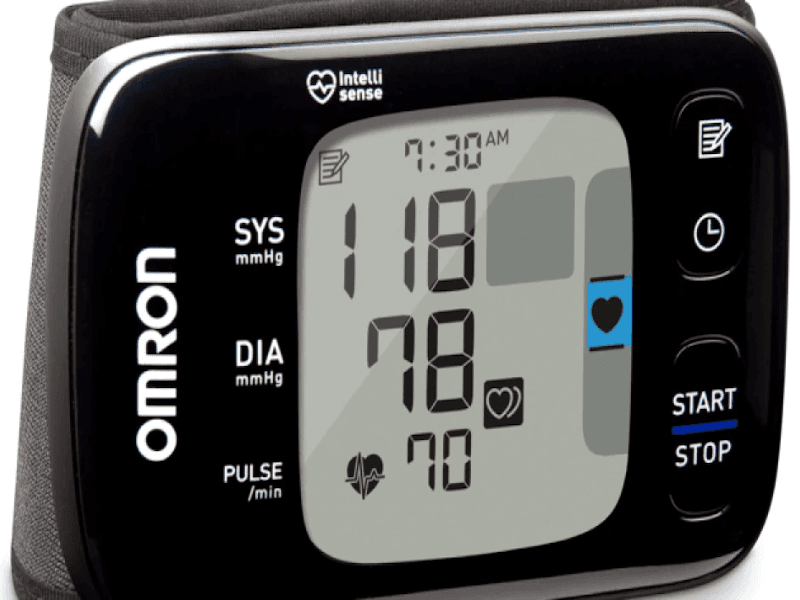
- Number of readings stored: 60 per user
- Easy data sharing: Yes, readings can be synced to a free app for sharing with your doctor
- Reading memory: 60 per user (available for two users total)
- App available: Yes, Omron Connect app
- Health metrics measured: Blood pressure, irregular heartbeat alerts
- Weight: 3.2 ounces
Pros
- Quiet operation during readings
- Compact size and lightweight design
- Comes with a storage case
- Wrist measurements may be easier for some people to take
Cons
- Wrist blood pressure monitors are generally less accurate than upper-arm cuffs
- Smaller display may be harder for some users to read
What’s different about the Omron 7 Series Wrist
The Omron 7 Series Wrist monitor is designed for people who cannot comfortably use an upper-arm blood pressure cuff. Wrist measurements tend to be less accurate. But this model includes features designed to improve consistency during readings.
One feature is Omron’s UltraSilent Inflation. It ensures the device inflates quietly—an advantage for users who find noise distracting. The 7 Series Wrist is also highly portable, weighing just over three ounces and including a protective storage case for travel or daily use.
To support proper positioning, the 7 Series includes Omron’s Heart Zone Guidance feature. It helps guide users to keep their wrist at heart level during a reading. Proper positioning is especially important when using a wrist monitor. Small changes in arm or wrist placement can affect your blood pressure results.
The Omron customer experience
- Warranty and trial period: Omron blood pressure monitors come with limited warranties that range from two to six years, depending on the model. Omron does not offer a trial period.
- Financing: Financing options vary depending on where you purchase the device, such as directly from Omron or through a third-party retailer.
- Customer service: If you have questions or need help with your Omron blood pressure monitor, you can contact the company by phone or through its website. Omron also offers a chatbot feature, though it may not connect you with a live representative immediately.
- By phone: 866-216-1333, Monday through Friday from 8:30 a.m. to 4:30 p.m. CT
- Website: Fill out this contact form online
Warranties
Omron blood pressure monitors include limited warranties lasting 2–6 years, depending on the model. A separate one-year warranty covers the upper-arm cuffs of most Omron devices, and you can purchase replacement cuffs if needed.
Omron’s limited warranty generally covers defects in materials or manufacturing. If a device fails under normal use, you may be eligible for a replacement. Warranty claims and replacement processes can vary by seller.
If warranty length is a top priority, Oxiline offers lifetime warranties for its blood pressure monitors. Coverage details and eligibility requirements differ by brand.
For return policies and refund eligibility, refer to the retailer or website where you purchased your Omron blood pressure monitor. Return terms are not set directly by Omron.
Who should use a blood pressure monitor?
The American Heart Association recommends home blood pressure monitoring for anyone diagnosed with high blood pressure. Checking your blood pressure at home helps you and your doctor know whether your medication is working and whether your readings remain within a healthy range.
People who haven’t been diagnosed with hypertension but are at higher risk may also benefit from monitoring their blood pressure at home. Risk factors include older age, a family history of high blood pressure, diabetes, and regular alcohol use.5, 6 Tracking your readings over time can help identify changes early, before blood pressure reaches unsafe levels.
Monitoring your blood pressure is especially important because high blood pressure often has no noticeable symptoms. Many people don’t realize their blood pressure is elevated until it becomes severe. Readings at or above 180/120 mm Hg are considered a medical emergency and require immediate care.7 Regular home monitoring can help catch rising blood pressure sooner and support long-term heart health.
7 tips for using an Omron blood pressure monitor
To use a home blood pressure monitor correctly, follow the instructions included with your Omron device and general guidance from medical organizations. Proper technique helps ensure your readings are accurate and consistent.
Start by making sure you’re using the correct cuff size. Measure the circumference of your upper arm at its midpoint.8 The cuff bladder should cover about 75%–100% of your arm circumference for accurate readings.
Once your cuff fits properly, follow our tips, as recommended by the American Heart Association and the US Centers for Disease Control and Prevention.1, 9 Here are seven tips for taking your blood pressure accurately:
- Plan ahead: Avoid caffeine, food, exercise, or smoking for at least 30 minutes before taking your blood pressure. Use the restroom beforehand, as a full bladder can affect readings.
- Choose the proper space: Sit at a table or desk where you can rest your arm comfortably at heart level.
- Expose your upper arm: Remove clothing from the arm where you’ll place the cuff. The cuff should sit directly on your skin.
- Sit quietly for five minutes: Rest without talking, moving, or using electronics. You could use this to practice mindfulness or meditation for stress reduction. You can also take a couple of deep breaths to help relax.
- Place your feet flat on the floor: Keep your legs uncrossed and your back supported.
- Position the cuff correctly: Wrap the cuff snugly around your upper arm, about 1 inch above the elbow. Your arm should be supported at heart level, using a pillow or folded towel if needed.
- Take multiple readings and record the results: Take two readings, one minute apart, each time you measure your blood pressure. Record the results or sync them to your app.
After purchasing a blood pressure monitor, bring it to your next doctor’s appointment. Your provider can observe your technique, confirm accuracy, and help you feel confident using the device correctly.
Factors that can affect blood pressure readings
One benefit of home monitoring is that it may reduce anxiety some people feel during medical visits, which can temporarily raise blood pressure.10 Still, even at home, certain factors can lead to inaccurate readings.
Eating, drinking caffeine, smoking, exercising, crossing your legs, or positioning your arm too low can all affect results. Wearing a cuff that is too tight or too loose can also skew readings. Consistent preparation and positioning each time you measure your blood pressure helps ensure the most reliable results.
Omron blood pressure monitor symbols
Understanding your monitor’s display helps you know when to take action. While symbols may vary slightly by model, most Omron blood pressure monitors use similar indicators:
- Top number (systolic): This is the pressure in your arteries when your heart beats. Readings of 130 mm Hg or higher are considered elevated.
- Bottom number (diastolic): This is the pressure in your arteries between beats. Readings of 80 mm Hg or higher are considered elevated.
- “HIGH” indicator: If your systolic or diastolic reading exceeds the device’s preset threshold, the monitor may display “HIGH” to alert you.
Omron blood pressure monitor costs and purchasing options
The Omron blood pressure monitors included in this review typically range from about $84 to $119, depending on the model and retailer. The Omron 10 Series generally costs more than other Omron devices due to advanced features and app connectivity.
When choosing a monitor, consider your budget, lifestyle, and how often you plan to track and share readings. Many Omron blood pressure monitors are eligible for purchase using flexible spending account (FSA) or health savings account (HSA) funds, whether you buy online or in person.
Cost comparison of Omron blood pressure monitors
| Comparison Features | Omron 10 Series |
Omron Platinum |
Omron 5 Series |
Omron 7 Series Wrist |
|---|---|---|---|---|
| Cost | $119 |
$91 |
$84 |
$109 |
| Standout features | Easier-to-read screen display; comprehensive heart-health features |
Easier-to-read screen display; accuracy |
Affordability |
Wrist monitor (convenient but less accurate); Heart Zone Guidance feature |
Where to buy Omron blood pressure monitors
Omron blood pressure monitors are widely available through major retailers, both online and in stores. Availability may vary by model and location. Here are some of the major retailers that commonly carry Omron blood pressure monitors:
- Amazon
- Best Buy
- BV Medical
- CVS
- Heart Rate Monitors USA
- Target
- Walgreens
- Walmart
- Wholesale Point
If the Omron blood pressure monitor you’re looking for is out of stock, you can check with another retailer, contact Omron customer support, or ask your health care provider’s office if they have purchasing recommendations.
Is an Omron blood pressure monitor right for you?
Omron blood pressure monitors are clinically validated for accuracy, meaning they’ve been tested using protocols endorsed by organizations such as the American Academy of Family Physicians and the American Heart Association. Validation helps ensure the readings you get at home are reliable, making Omron a strong option for many people who need to monitor their blood pressure regularly.
Many Omron models also feature backlit or high-contrast displays, which can make readings easier to see—especially for people with vision changes. The brand offers a wide range of models, from basic monitors to more advanced options with app connectivity and AFib screening, so you can choose a device that fits your needs and comfort level.
That said, Omron blood pressure monitors come with limited warranties rather than lifetime coverage. If a lifetime warranty is important to you, another brand may be a better fit. Before purchasing any monitor, it’s also important to measure your upper arm to be sure the cuff size works for you. Incorrect fit can affect accuracy.
Frequently asked questions
Is Omron a good blood pressure monitor brand?
Omron is widely regarded as a reliable brand for home blood pressure monitoring. Its devices are clinically validated for accuracy, and the company offers a variety of models at different price points. Still, the best blood pressure monitor for you depends on your health needs, budget, and preferred features.
Can you use Medicare to buy an Omron blood pressure monitor?
Medicare typically does not cover standard at-home blood pressure monitors like Omron devices. In some cases, Medicare may cover ambulatory blood pressure monitors for diagnostic purposes, but this requires a doctor’s order and specific medical criteria.11
Are Omron blood pressure monitors FDA-approved?
At-home blood pressure monitors are not “FDA approved” in the same way prescription drugs are. Instead, devices like Omron monitors receive FDA clearance, meaning the U.S. Food and Drug Administration has reviewed them for safety. Clearance alone does not guarantee accuracy, which is why clinical validation is important.
To find an accurate device, look for blood pressure monitors listed on validated device directories, such as those maintained by independent medical organizations.
Questions? Email us at reviewsteam@ncoa.org.