
Related Topics
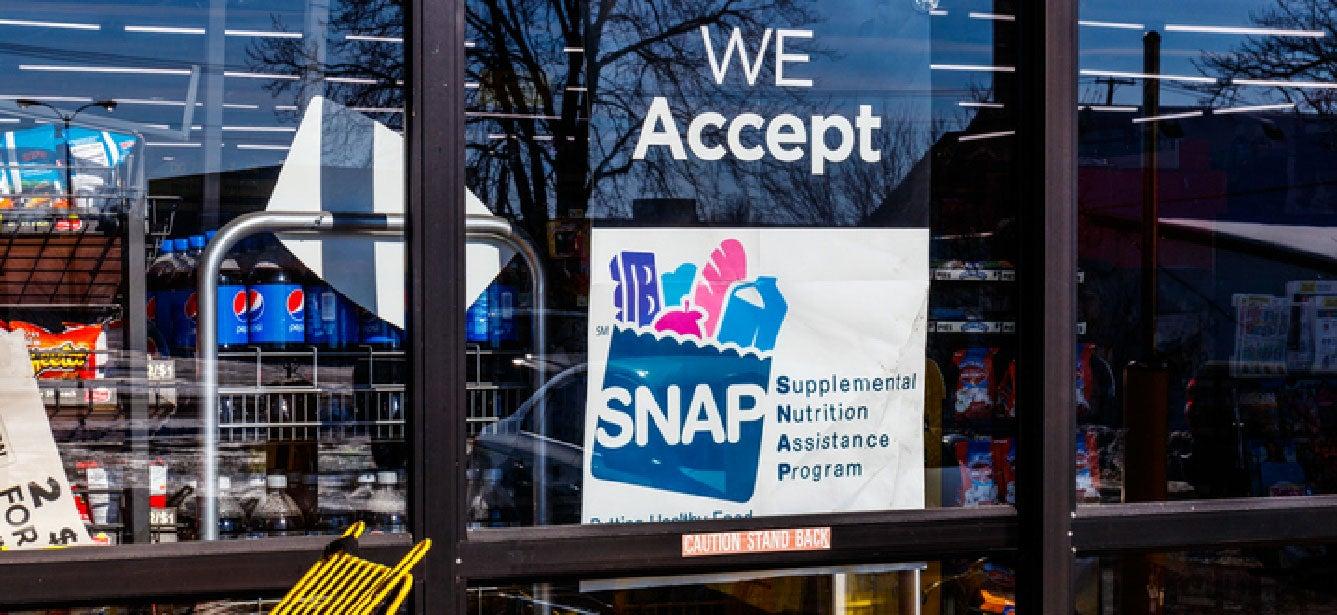
Since 1974, the Supplemental Nutrition Assistance Program (SNAP)—originally known as Food Stamps—has helped people of all ages buy groceries on a limited income. That includes nearly 8 million older adults like us.1
Today, SNAP is our nation’s largest anti-hunger program1 and is a remarkably efficient one at that: fully 98% of households who sign up for benefits are eligible for them.2 And efforts to reduce payment errors have freed up crucial financial resources for those who need SNAP assistance the most.2 At a time when supermarket prices are sky-high, these efforts make a difference.
But with funding priorities seemingly changing by the day, it’s hard to know what to expect when it comes to food assistance and other federal programs. If you’re wondering, “Why are my SNAP benefits delayed?”, this article breaks it down.
Why were my SNAP payments delayed in 2025?
As part of the federal government’s historic shutdown, nearly 42 million Americans experienced stressful delays in their November SNAP benefits. Funding for the program effectively ran out on October 30, and the U.S. Department of Agriculture—the agency responsible for administering SNAP—immediately implemented a 50% reduction in the maximum household allotment. At the same time, the USDA directed states to halt payments beginning November 1 and “until further notice.”
While some states successfully scrambled to bridge the benefits gap, many others could not. And legal challenges coupled with shifting USDA guidance3,4,5,6 left recipients wondering when—or even if—they would see money loaded onto their SNAP EBT cards. Some people received full benefits. Others got half or less. And the most severely affected went entirely without for two weeks or more.
If you or someone you know were among them, you know firsthand how devastating these delays and reductions were—and can be.
“My sister is going through that, having to choose between going to chemo or eating,” explained Facebook user Terri Funk on a November 7 NCOA post.
“People need [SNAP]!” commenter Rosie Porras added.
Fortunately, thanks to the Continuing Appropriations, Agriculture, Legislative Branch, Military Construction and Veterans Affairs, and Extensions Act, 2026, full SNAP benefits have been restored for November and December 2025. But significant changes to the program already planned for 2026 may mean additional delays, denials, and other complications for you or someone you know.
Will my SNAP benefits be delayed in 2026?
Maybe.
The One Big Beautiful Bill Act, signed into law on July 4, 2025, includes significant changes to SNAP policies. Some have already taken effect, while others will roll out starting in the new year.
“It’s important to know that not every change will apply to every person or household,” explained Jessica Johnston, NCOA Senior Strategist for Economic Well-Being. “It is important to learn about them now, so that you can begin to plan for any delays or denials that may affect you.”
Plus, Johston pointed out, the legislation added more red tape to the SNAP application and SNAP recertification processes. Even if you still qualify for full benefits, you may have to complete a lot of extra paperwork in order to prove it.
Here’s where older adults may feel the biggest changes
So, what changes are most likely to impact older adults? According to the bipartisan National Conference of State Legislatures and the bipartisan Center on Budget and Policy Priorities, these include, but aren’t limited to:7,8
1. Expanded work requirements. Previously, income-eligible adults over age 54 could qualify for SNAP benefits regardless of their employment status. This is no longer the case. If you’re between the ages of 55–64, you must now document at least 20 hours of work per week or risk reductions in or losses to your benefits.
“Work” in this instance can include volunteer jobs and employment training programs.8 There are some situations where you may be exempt from the requirement as well—including if you have a work-limiting health condition. Otherwise, the new law states that you may only receive SNAP benefits for a total of three months in any three-year period. The law also strips veterans and unhoused people from benefits if they can’t fulfill the work requirement, regardless of their age.
2. Redefined caregiver eligibility. Many multigenerational households include older people and children alike. Until the One Big Beautiful Bill, some adults age 55 or over could qualify for SNAP benefits if they lived with and helped provide care for one or more children under the age of 18. (Typically, if you live with family members, your entire household must meet the income limits for SNAP unless you are age 60 or over).
Under the new law, you may only qualify for a caregiving exemption if you live with and take care of one or more children under the age of 14.
3. Curtailed noncitizen benefits. Contrary to popular belief, undocumented immigrants are not eligible for SNAP benefits with one exception: if they live with their U.S. citizen child or children who qualify for SNAP themselves.9 Otherwise, immigrants must meet strict requirements—including having a green card and fulfilling a 5-year waiting period—before they can get SNAP.
That said, certain noncitizen applicants for SNAP did qualify under earlier rules. This included legally present refugees, asylum-seekers, and human trafficking survivors. If you or someone you know are among this group, you will lose access to SNAP in 2026.
There are many structural changes coming to SNAP as well. These changes will shift additional administrative and financing burdens onto states that must now find ways to absorb them. This, too, may impact your eligibility and benefits. The Center on Budget and Policy Priorities predicts that some states will need to cut spending on other programs, raise taxes on citiziens, and potentially even narrow their own rules for qualifying for SNAP. In the worst case, cash- and staff-strapped states may decide to cut SNAP entirely.
What happens if my SNAP benefits get denied?
First, advised Johnston, take a deep breath.
“Navigating this new road is going to be bumpy: for you, and for the well-meaning people who are in charge of making SNAP decisions and getting benefits to you on time. There are bound to be mistakes,” she said.
The very next thing you should do is reach out to your local SNAP agency for help. (This is most likely the place where you first applied for benefits or filed your recertification). Here, a knowledgeable caseworker who’s familiar with current SNAP policies can help you:
-
Identify and correct any mistakes on your application
-
Determine whether any new rules or requirements incorrectly were applied to you
-
Figure out how you can comply with rules that have changed
Finally, know that you have the right to appeal your SNAP decision. You must do this within 90 days of receiving this decision, so it’s important to follow up right away in order to avoid losing your benefits entirely.
Where can I get groceries if my SNAP benefits are delayed or denied?
NCOA is here to help. Check out our guide to getting food help now, which lists a variety of resources for free or reduced-cost meals. You can also find information on local food assistance by calling 2-1-1, visiting 211.org, and checking the Eldercare Locator website or calling their toll-free number at 1-800-677-1116.
Sources
1. USDA. Supplemental Nutrition Assistance Program (SNAP) - Key Statistics and Research. July 24, 2025. Found on the internet at https://www.ers.usda.gov/topics/food-nutrition-assistance/supplemental-nutrition-assistance-program-snap/key-statistics-and-research
2. USDA Food and Nutrition Service. USDA Efforts to Reduce Waste, Fraud and Abuse in the Supplemental Nutrition Assistance Program (SNAP). Updated May 5, 2025. Found on the internet at https://www.fns.usda.gov/snap/usda-efforts-reduce-waste-fraud-and-abuse-supplemental-nutrition-assistance-program-snap
3. USDA Food and Nutrition Service. SNAP Benefit and Administrative Expense Update for November 2025. November 4, 2025. Found on the internet at https://www.fns.usda.gov/snap/benefit-issuance-nov4
4. USDA Food and Nutrition Service. REVISED SNAP Benefit and Administrative Expense Update for November 2025. November 5, 2025. Found on the internet at https://www.fns.usda.gov/snap/benefit-issuance-nov5
5. USDA Food and Nutrition Service. Updated SNAP November Benefit Issuance – Nov. 8, 2025. November 8, 2025. Found on the internet at https://www.fns.usda.gov/snap/benefit-issuance-nov8
6. USDA Food and Nutrition Service. SNAP Benefits Issuance and the Continuing Appropriations, Agriculture, Legislative Branch, Military Construction and Veterans Affairs, and Extensions Act, 2026. November 13, 2025. Found on the internet at https://www.fns.usda.gov/snap/benefit-issuance-nov13
7. Lauren Callins. 5 Changes the ‘Beautiful’ Bill is Bringing to SNAP. October 22, 2025. Found on the internet at https://www.ncsl.org/state-legislatures-news/details/5-changes-the-beautiful-bill-is-bringing-to-snap
8. Katie Bergh et al. Many Low-Income People Will Begin to Lose Food Assistance Under Republican Megabill. September 10, 2025. Found on the internet at https://www.cbpp.org/research/food-assistance/many-low-income-people-will-soon-begin-to-lose-food-assistance-under
9. Melissa Cruz. Can Undocumented Immigrants Get SNAP or Medicaid? The Truth About Federal Benefits. November 14, 2025. Found on the internet at https://www.americanimmigrationcouncil.org/blog/undocumented-immigrants-snap-medicaid-benefits/
Get Help Paying for Food, Medicine, and More
Millions of older adults miss out on money-saving benefits simply because they don't apply. Start today by answering a few questions to see if you qualify, and learn how to get help to apply