
What Is Estate Planning? Key Steps to Protect Your Family and Finances
9 min read


Planning for the future can feel both comforting—and a little overwhelming. While most people know they need to plan for retirement, there's one vital area that often gets pushed aside: estate planning. In an estate planning survey by Caring.com and YouGov, only 24% of respondents (age 18 to 55+) said they have a will, and just 13% said they had a living trust.1
Estate planning is not just a matter of dividing up property or signing a ream of legal documents. It’s about having the peace of mind your family won’t be burdened with stress or financial hardship later on down the road. It’s also about ensuring your personal, financial, and health care choices are honored when you’re unable to make them yourself.
Before we dive into the essentials of estate planning, let’s talk about exactly what it means.
What is estate planning?
Estate planning is the process of deciding how your assets and personal wishes will be managed, distributed, or carried out if you become incapacitated or after you pass away.
While most people think of a will when they hear “estate plan,” in reality it can cover much more—from who makes medical decisions on your behalf to how your grandchildren’s inheritance is protected.
Why is having an estate plan so important? Here are a few key reasons:
- It fosters peace of mind for both you and your loved ones.
- It helps shield your finances and property from mismanagement or disputes.
- It ensures your health care preferences are respected.
- It gives you added reassurance, knowing all these matters will be handled according to your wishes.
“Imagine being able to pass down your home to your children without delays… or eliminate confusion and anxiety about your medical care should you become seriously ill,” said Josh Hodges, NCOA's Chief Customer Officer. “Estate planning helps make those things possible and gives you that added sense of security.”
What are the basic parts of an estate plan?
An estate plan can range from basic to highly extensive and detailed. But below are some of their core components.
1. Will
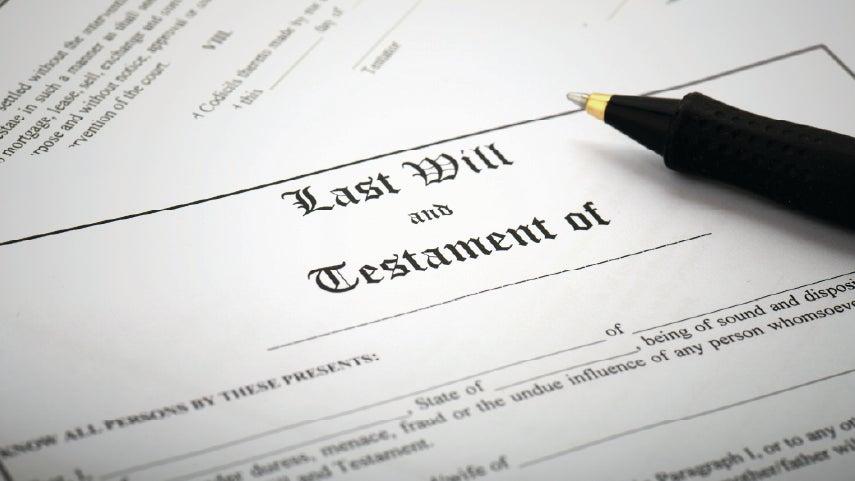
A will is the cornerstone of most estate plans. It’s a legal document that outlines who inherits your assets—such as your home, retirement savings, and personal belongings—after your death.
Your will can also name guardians for minor children or dependents (even beloved pets). And it allows you to choose who will make sure your instructions are followed (an executor).
When someone passes, their will typically goes through probate, a court process that confirms a will is present and valid and manages the distribution of assets. A clear, well-written will can make probate faster and easier for your family.
A will can be changed at any time, and the most recent version is the one that should be enforced. Make sure you share an updated copy of your will with your family—or at least your executor—when you make changes. This can help minimize issues later on.
2. Trusts
A trust provides legal protection for your assets and ensures they’re dispersed as you intend. It can also help your estate avoid probate, reduce taxes, shield assets from creditors, and specify how and when your beneficiaries (e.g., minor children) receive their inheritance.
The two main categories of trusts in estate planning are revocable and irrevocable:
- Revocable living trust: Also called a revocable living trust, this flexible type of trust can be changed or revoked (cancelled) during your lifetime—for example, if you go through a divorce.
- Irrevocable trust: Once you establish an irrevocable trust, it cannot be changed. These are often used to shield assets from creditors or estate or gift tax.
Within those two buckets, there are many different types of trusts, including:
- Marital trust: Set up by one spouse to ensure assets transfer smoothly to the other partner when the first spouse passes away
- Charitable trust: Allows you to support a cause or organization you care about while still providing for your family
- Special needs trust: Helps provide for a child, parent, or sibling who is living with a disability—and does so without compromising their ability to collect government benefits
Trusts can be especially useful if you want to maintain privacy, reduce taxes, or manage assets for your children or grandchildren over time. Since they’re much more complicated to set up than a will, it’s best to seek professional support (ideally an estate planning attorney) who can help you establish your trust and fully understand how it operates.
3. Power of attorney
A power of attorney (POA) is a legal document that gives someone else (your “agent”) the authority to act on your behalf in certain matters.
There are several types of POAs, including:
- General power of attorney: This gives your agent broad authority to act on your behalf in financial, legal, or real estate-related matters—but it’s typically for short-term use only (e.g., you’re traveling overseas for a month).
- Durable power of attorney: This type stays in effect even if you lose the ability to make decisions for yourself. A durable POA offers more protection than a general one. It ensures someone can continue managing your affairs without interruption when you need it most.
- Health care (or medical) power of attorney: This type of POA allows your agent to make medical decisions for you if you’re unable to express your preferences due to illness, injury, or cognitive decline. It does not allow them to make decisions related to your finances or other areas.
Choosing the right person for these roles is critical. It should be someone you trust who knows you well personally and understands your intentions. That way, you can be sure they’ll act in the best interests of you and your family.
What is an advance health care directive (living will)?
An advance directive, or living will, helps tell your health care providers the kind of care you want—or don’t want—if you can’t speak for yourself due to serious illness or a condition like dementia. It can include your preferences about treatments like resuscitation, life support, pain management, and feeding tubes. Having these directions in writing helps your loved ones make difficult decisions with confidence, knowing they’re doing what you wanted.
Estate planning checklist: How to get started
Developing an estate plan may sound complicated, but it’s easier to manage when you take it step by step. Here’s a simple, high-level estate planning checklist to guide you:
- Make a will on your own or with help from an estate lawyer or online will- and trust-making service.
- Establish a living trust (optional, but helpful) with help from an estate planning professional.
- Create powers of attorney for your finances and health care.
- Prepare an advance health care directive.
- Gather key documents like property titles, insurance policies, bank accounts, and retirement accounts.
- Name your beneficiaries for all accounts and policies.
- Make an inventory of your assets and debts.
- Decide on your funeral or memorial preferences and write them down.
- Store all these documents safely and securely.
- Discuss your plan with your family or caregivers.
Even a simple estate plan is far better than none at all. It provides a solid foundation that can be updated and expanded as your needs and circumstances change.
How much does estate planning cost?
The costs of estate planning vary depending on how complex your situation is and whether you hire professional help:
- A basic will can cost anywhere from free (for a handwritten, DIY will) to $200 for an online will-making service to $1,500 or more for a comprehensive will drafted by an estate lawyer.
- Setting up a trust is more labor- and time-intensive. You can create a basic trust online for a few hundred dollars, while hiring an attorney can cost between $1,000 and $4,000 or more, depending on the complexity, type of trust, and state laws.
There are pros and cons to both DIY estate planning and hiring a professional. An experienced lawyer can ensure your plan is thorough and legally sound, but the trade-off is it often costs more. Online or DIY tools are more affordable but might miss important details specific to your state or personal circumstances.
Look at estate planning like an investment in your legacy: spending a little more now can prevent much bigger costs later—such as legal disputes, tax penalties, or a drawn-out probate process that causes delays and aggravation for the people you care about.
To keep your estate planning costs under control:
- Learn the basics first: Spend a little time learning about the estate planning process. That way, you can ask focused questions when speaking to lawyers, which saves you both time and money.
- Gather your documents early: Bring important papers (e.g., bank statements, property records, and insurance information) to your first meeting to help your lawyer work more efficiently.
- Ask for an estimate up front: During your initial consultation (often free), ask for a clear outline of costs—whether flat fee, hourly rate, or package pricing. This helps you budget.
- Shop around: Talk with several lawyers to compare their experience and fees before deciding who is the best fit for your needs.
- Explore online document tools: If your estate is small and straightforward, you can create basic documents—such as a will, power of attorney, or living trust—at a lower cost using online DIY platforms like LegalZoom, Trust & Will, Nolo, FreeWill, and Rocket Lawyer.
Common misconceptions about estate planning
Many people delay estate planning because of myths or misunderstandings about the process. Let’s clear up a few:
- Myth: “Estate planning is only for the wealthy.”
Fact: Anyone who owns property, savings, or personal possessions—and cares about who receives them—needs an estate plan. This is especially true if you have dependents who are minors or who have special needs. - Myth: “My assets will automatically go to my family.”
Fact: Not necessarily. Without a will or trust, the courts (and state laws) determine who inherits your assets. And that may not line up with what you want. - Myth: “All I need is a will.”
Fact: A will is a great start to estate planning. But it only names who receives your assets after you pass away. It doesn’t cover matters like your medical preferences or powers of attorney.
Updating and maintaining your estate plan
Your estate plan shouldn’t be “one and done.” Life evolves and changes, and your plan should, too. Take another look at your documents every 3-5 years or whenever major changes occur—like a marriage, divorce, birth, death, or big move to another state. Make sure beneficiary designations on your accounts and insurance policies are current. It’s also wise to talk with your family or caregivers about your plan. Open conversations now can help avoid stress and conflict later.
No estate plan? It’s not too late
If you haven’t started your estate plan yet, you’re not alone—and it’s never too late. The most important step is to start (see our estate planning checklist above).
“Putting an estate plan in place today means fewer worries and surprises tomorrow,” said NCOA's Hodges said. “It’s an opportunity to make sure your voice is heard when you can no longer speak for yourself. And it’s one of the most thoughtful and caring things you can do for the people you love.”
Source
1. Caring.com. 2025 Wills and Estate Planning Study. September 17, 2025. Found on the internet at https://www.caring.com/resources/wills-survey
The foregoing information is for general informational purposes only. This information is not intended to be a substitute for specific individualized tax, legal or financial planning advice. Individuals should always consult a qualified professional.
Funding for This Resource Made Possible By Our Partner
Make Your Will in a Few Simple Steps
Don’t leave important decisions to chance. Learn how a simple will can protect your family, prevent conflict, and ensure your wishes are honored. This step-by-step guide from Mutual of Omaha makes the process easier than you think.