

On July 14, 1965, President Lyndon B. Johnson signed the Older Americans Act (OAA) into law. For more than 60 years, the Act has preserved older Americans’ right to live independently, with health and financial security, making everyday decisions according to our individual preferences and goals across our lifespan.
The OAA supports a nationwide network of organizations—across national, state, tribal, and local levels—in delivering vital programs that help older adults age well, especially those most at risk.
Older Americans Act background and history
Explore these resources to learn more about the origins and evolution of the OAA:
- Administration for Community Living (ACL), OAA statute history
- KFF, What to Know About the Older Americans Act and the Services it Provides to Older Adults
- AARP Public Policy Institute, Spotlight: The Older Americans Act
- National Health Policy Forum, OAA Background Paper
- Congressional Research Service (CRS): Older Americans Act: Summary in Brief and Older Americans Act: Overview and Funding
- USAging, Local Leaders in Aging Well at Home and 2025 AAA National Survey Chartbook
Annual funding for OAA
For information on Older Americans Act funding allocation and FY 2025 federal budget proposals, see the following:
Reauthorization priorities for OAA
The Older Americans Act (OAA) has been updated several times through the reauthorization process, most recently in 2020. It is now up for reauthorization again. NCOA remains committed to securing annual funding for OAA programs that support the vital needs of older adults, caregivers, and the communities that serve them.
Our key reauthorization priorities are:
- Healthy aging: Everyone deserves access to care that helps them stay healthy and independent—and avoid costly hospital or nursing home stays. Falls prevention, chronic disease self-management education (CDSME), and evidence-based healthy aging programs should be strengthened.
- Economic security: With poverty rising, older adults need better support, especially as many work longer while facing age-related barriers to employment. The Senior Community Service Employment Program (SCSEP), the only workforce development program for older workers, should be protected.
- Senior centers: Senior centers promote healthy living, social connection, and overall well-being for older adults. Congress and the administration must strengthen investments in these vital community hubs.
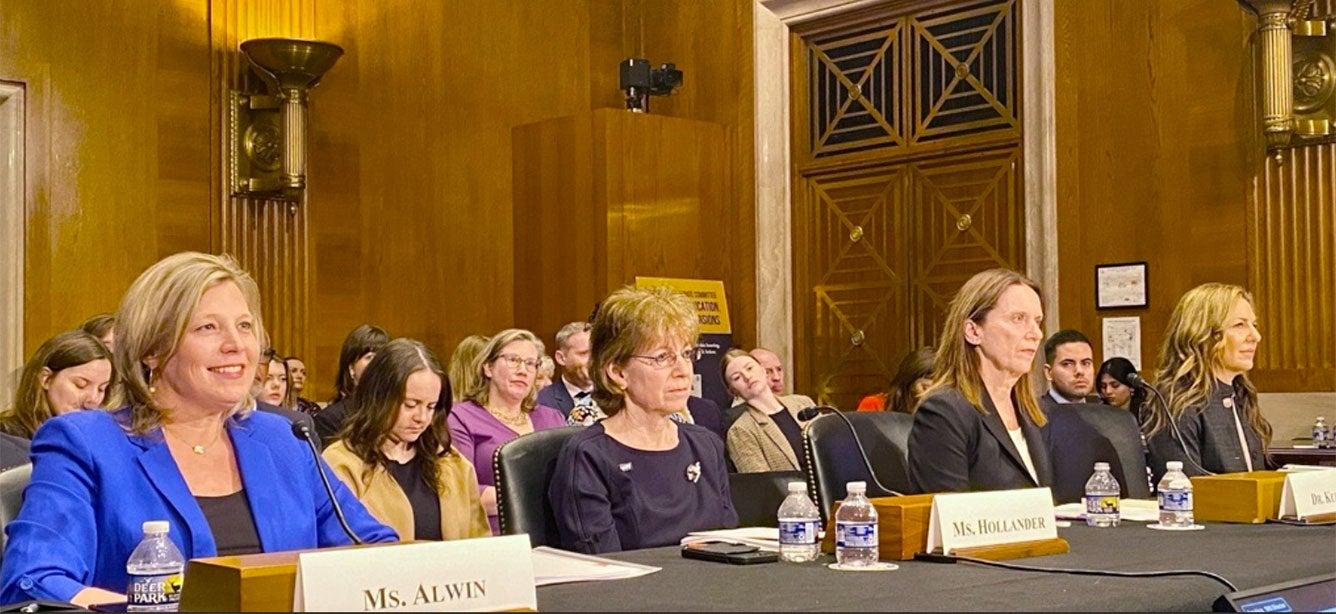
NCOA President and CEO Ramsey Alwin testified before the U.S. Senate Committee on Health, Education, Labor & Pensions on March 7, 2024, emphasizing the importance of revamping the law to meet the needs of today's older adults.
When the Senate unanimously passed legislation in July 2026 reauthorizing the OAA for four years, Alwin celebrated and urged the House to swiftly pass the bill.
“The Older Americans Act is the foundation that supports our nation’s older adults to stay healthy and independent in their own homes and communities,” Alwin said. "As more of us enjoy longer lives, the OAA is essential to ensuring every person can age with dignity.”
We all have a role in making sure the OAA continues to support programs that promote the health and independence of adults age 60 and older.
Make your voice heard. Send a personal message to Congress explaining why the OAA matters to you and the older adults you care about.