
The U.S. House of Representatives has begun the process to approve appropriations for the federal fiscal year that begins on Oct. 1, 2026. All 12 appropriations bills have been cleared by the committee, but only three have been passed by the House. The Senate process remains stalled.
For the most part, the FY27 House appropriations bills maintain the status quo for Older Americans Act (OAA) and other aging services programs. Most funding would stay the same or slightly increase, with one notable exception. Administration proposals to merge HHS agencies, such as moving the Administration for Community Living (ACL) to a new Administration for Children, Families and Communities, are not embraced in the House bill.
Review the FY27 funding proposals and their budget history in our Aging Services Funding table
What do House FY27 appropriations bills mean for aging services programs?
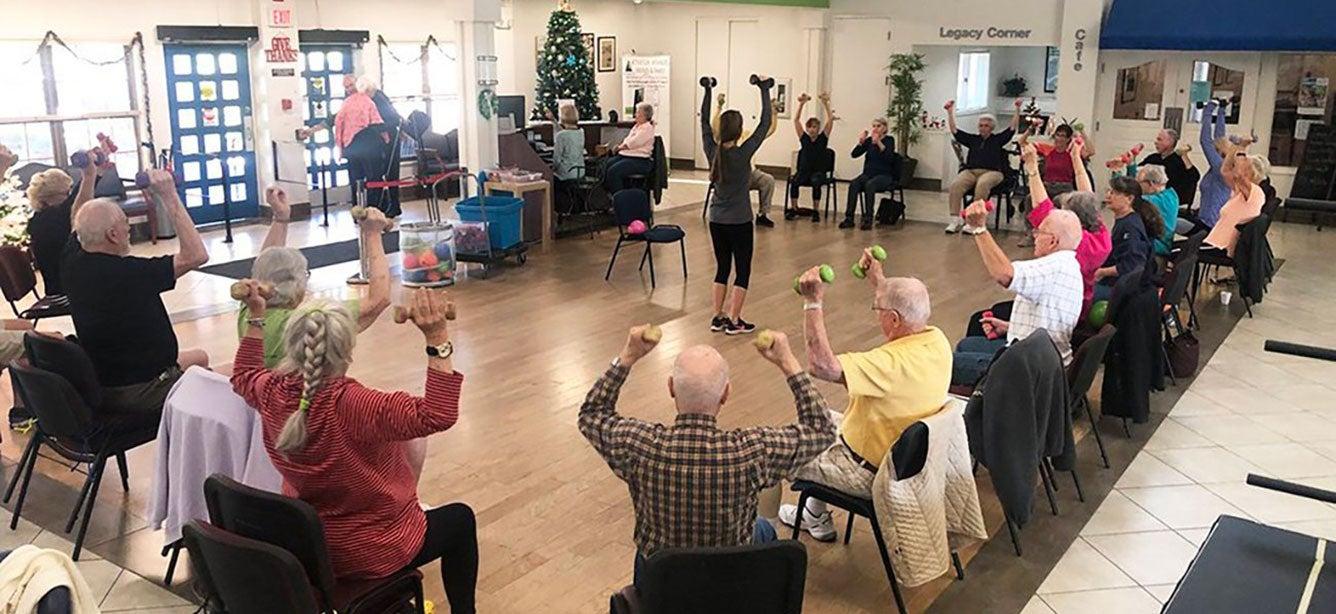
- Core OAA programs, including Supportive Services and Senior Centers, Nutrition, Caregiver Support, Preventive Health, Native American services, and Aging Network Support would be level-funded.
- OAA Falls Prevention, Chronic Disease Self-Management Education (CDSME), and the Alzheimer’s Disease Initiative, which rely on would see their Prevention and Public Health Fund (PPHF) investments, also would be level-funded.
- OAA Nutrition PRograms, Native American programs, Elder Rights and Protections for Vulnerable Older Americans would be increased slightly.
- OAA Aging Network Support would get a small increase, yet the Direct Care Workforce Strategies Center, the Interagency Coordination Committee, and the Research, Demonstration, and Evaluation Center would be level-funded.
- The Senior Community Service Employment Program (SCSEP) at the Department of Labor is again proposed for elimination, along with other employment and training programs.
- The Medicare State Health Insurance Assistance Program (SHIP) would be level-funded.
- CDC falls prevention would be increased by $1 million.
- The Housing and Urban Development (HUD) Aging in Place Home Modification Grants Program would be level-funded, in contrast with the FY26 proposal to eliminate it.
- AmeriCorps Seniors, the Low-Income Home Energy Assistance Program (LIHEAP) and the Community Services Block Grant (CSBG) would be increased, in contrast tot he administration's call to eliminate them.
- The Social Services Block Grant (SSBG) would be level-funded.
What’s ahead for the FY27 budget process?
As we forecasted earlier this year, a continuing resolution (CR) is needed to ensure the federal government remains open when FY27 begins on October 1. Congress recognized this early, and rather than raise alarms about a government shutdown, it passed a CR providing funding at the current FY26 levels through Dec. 11 which the president signed into law on Sept. 2. That also means that Congress will likely not be in session much before the November elections and will be back home reaching out to constituents.
How—or if—FY27 appropriations are finalized during the “lame duck session” after the midterm elections and before the conclusion of the 119th Congress at year’s end remains to be seen. A determining factor will likely be the outcomes of those elections and how they will affect the governing majority of the 120th Congress in 2027. Congress may opt to resolve any unfinished business and enact final FY27 funding, or it may pass another CR and resume the work in early 2027.
What can you do?
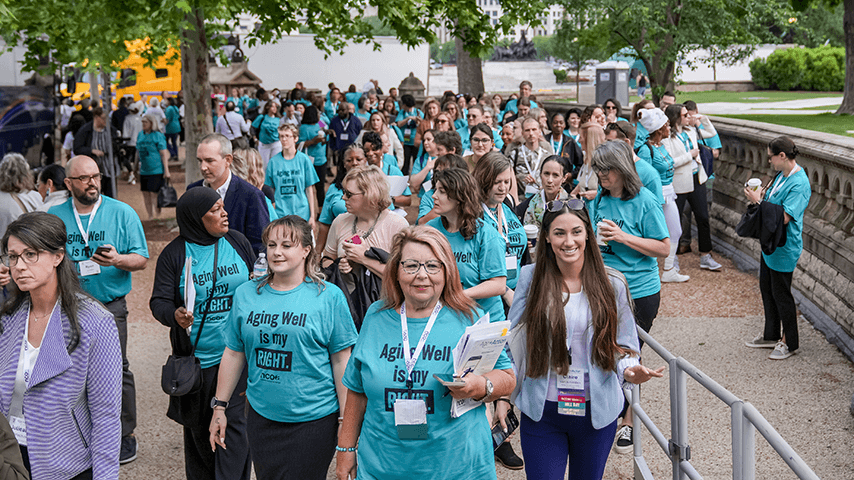
The fact that Congress opted not to have a showdown over the federal budget in September means voices of constituents like you are being heard. We appreciate all you have done to educate your elected officials about the importance of federal programs and benefits to support the ability of all Americans to age well.
Your messages continue to be so important, whether they’re shared in person while members of Congress are back home or via an email sent through our Action Center. There’s still time to:
- Thank your representative for pending House appropriations protecting Aging Services (with a push to save SCSEP)
- Thank your senators for passing Older Americans Act (OAA) reauthorization
- Ask your representative to pass the OAA reauthorization bill from the Senate
- Ask your senators to invest in aging services for the coming year
Keep an eye out for NCOA’s social media channels for ways to make Aging Services policy relevant to upcoming commemorations such as National Senior Center Month or Falls Prevention Awareness Week, and continue to make use of our Action Alert and our tools for advocacy back home.
Understanding the Federal Budget
More older Americans than ever need assistance and support to make ends meet. Learn more about the federal budget and how NCOA makes sure deficit reduction does not come at the expense of programs that serve older adults.