
Older Americans Act Reauthorization: Senate Advances Bill Endorsed by NCOA
4 min read
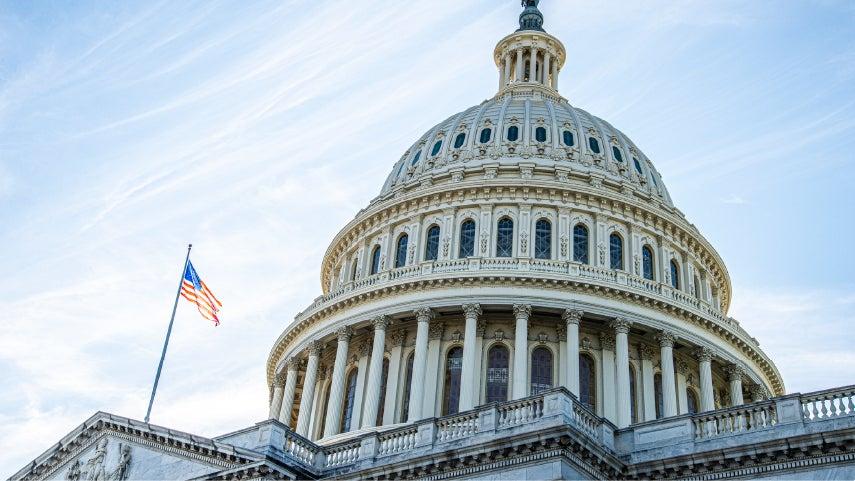
On July 14, 2026—the 61st anniversary of enactment of the Older Americans Act (OAA)—the Senate unanimously passed S. 2120, the Older Americans Act Reauthorization Act of 2025. The bill was championed by a bipartisan group of Senate leaders, including Sens. Cassidy, R-La., Sanders, I-Vt., Scott, R-Fla., and Gillibrand, D-N.Y.
NCOA endorsed the legislation and urges the House to adopt the legislation quickly so it may be enacted.
Enacted in 1965 as a companion to the Medicare and Medicaid Act, OAA authorizes programs for:
- Home-delivered and group meals at senior centers, which keep older adults healthy, connected, and free of hunger
- Legal assistance and elder abuse prevention to protect older adults from harm
- Job training and placement for older workers through the Senior Community Service Employment Program (SCSEP)
- Falls prevention programs that have been proven to reduce falls and prevent injuries and costly hospitalizations
- Caregiver support for the millions of families who are caring for aging loved ones
- Transportation services to enable older adults to travel to medical appointments
NCOA's 2026 reauthorization priorities include honoring the OAA commitment to multipurpose senior centers, expanding the reach of healthy aging programs, strengthening our nation's care infrastructure, and expanding the only federal program focused on the employment of low-income older workers.
The Senate bill addresses key NCOA priorities, including:
- Senior centers: Language regarding OAA supportive services investments in multipurpose senior centers and the role of community-based organizations in OAA service delivery and strategies was strengthened.
- Healthy aging: The authority of the U.S. Administration for Community Living (ACL) to provide crucial technical assistance for implementation of evidence-based programs and consider evidence-informed healthy aging practices was enhanced. Also notable are the expansion of falls prevention demonstration authority, improvements in language related to mental health and infectious diseases, options to deliver medically tailored meals, and support for safe and healthy homes.
- Direct care workforce: The authorities for the Direct Care Workforce Strategies Center were enhanced and sustained funding protected.
- Older workers: Key improvements highlight the role SCSEP plays in supporting the aging services workforce; iterate that Workforce Innovation and Opportunity Act (WIOA) services should be made available to older workers; and call for a GAO report to distinguish SCSEP from WIOA.
- Federal leadership and coordination: A detailed authorization for the next decennial White House Conference on Aging and calls for efforts to raise awareness about OAA programs were included.
What happens next, and what can you do?
The OAA reauthorization bill still needs to pass the House. If we want legislation to be enacted before the year's end, we need to continue educating representatives about why OAA services and strategies are important and should be renewed. Use our action alert to make your voice heard.
As NCOA President and CEO Ramsey Alwin reminded us when we marked the 60th anniverary of the OAA and Medicare and Medicaid in 2025, "In other words, aging with dignity isn’t just about personal choices or resources. It’s about the environments we live in and the policies that shape our opportunities. That’s why it’s so critically important to protect and strengthen these bedrock programs."