
Kisunla (Donanemab): A Promising New Option in Alzheimer’s Treatment
7 min read
Related Topics
Scientists and medical experts are making big strides in understanding Alzheimer's disease and other types of dementia. That includes promising new therapies like Lilly’s donanemab. Sold under the brand name Kisunla™, this medication received full traditional approval by the U.S. Food and Drug Administration (FDA) in 2024.
“Having multiple treatment options is the kind of advancement we’ve all been waiting for—all of us who have been touched, even blindsided, by this difficult and devastating disease,” said Alzheimer’s Association president and CEO Joanne Pike, DrPH, in a news release.
Kisunla arrived on the heels of Leqembi™ (lecanemab-irmb), another anti-amyloid Alzheimer’s treatment that received full traditional approval from the FDA in 2023. A previous anti-amyloid treatment, Biogen’s Aduhelm™, was removed from the market in early 2024.
What is Kisunla (donanemab)?
Kisunla is a medication for the treatment of early-stage symptomatic Alzheimer's disease. It’s designed to target and slow the progression of symptoms such as memory loss and problems with thinking. Kisunla is administered as an intravenous (IV) infusion (medication is given through a vein directly into the bloodstream) every four weeks.
Why is Kisunla so important? Effective Alzheimer’s therapies are urgently needed to help slow the associated symptoms of cognitive decline.
Imagine watching someone you love slowly fade away, struggling to hold onto their memories as you mourn the loss of who they used to be. The ravages of Alzheimer's affect people and families around the world—and it’s a problem that’s not going away anytime soon. According to the Alzheimer’s Association 2026 Alzheimer’s Disease Facts and Figures report, roughly 7.4 million Americans are living with Alzheimer's dementia. Among these, 74% are age 75 or older.1 By 2060, the number of people living with Alzheimer’s is expected to reach 14 million.2
How does Kisunla (donanemab) work?
Like Leqembi, Kisunla is a monoclonal antibody—a type of protein. A monoclonal antibody is designed to find and attach to specific harmful substances, such as viruses or cancer cells, to help the body fight them off. Think of it as a targeted missile that zeroes in on a specific enemy, making treatments more precise and effective.
With Alzheimer's, Kisunla targets and binds to amyloid-beta plaques in the brain. These plaques are clumps of protein fragments believed to play a key role in the development and progression of the disease. By binding to these plaques, Kisunla helps to clear them from the brain, potentially slowing the detrimental cognitive effects.
What is the difference between Kisunla (donanemab) and Leqembi?
Although both are anti-amyloid drugs and work in similar ways, infusions with Kisunla are shorter and given less frequently than Leqembi. And unlike Lequembi, treatment with Kisunla may be discontinued if brain scans show amyloid plaques have been reduced to very low levels. Since each person responds differently, the time needed to reduce these plaques can vary.
How effective is Kisunla (donanemab)?
In clinical trials, researchers studied the impact of Kisunla in 1,736 men and women (ages 59 to 86) in the early stages of Alzheimer’s disease. These patients all had signs of telltale amyloid plaques in their brains indicating Alzheimer's. After 18 months, patients treated with Kisunla showed a significant 35% reduction in clinical decline (memory, thinking, and daily functioning) compared to the placebo group. Patients treated with Kisunla also had up to a 39% lower risk of progressing to the next clinical stage of the disease compared to those taking the placebo medication.3
Is Kisunla (donanemab) a cure for Alzheimer’s?
No, Kisunla is not a cure for Alzheimer's. It’s important to understand that while the medication can slow the progression of the disease, it does not reverse memory loss or eliminate the disease entirely.
For patients who qualify, Kisunla will be part of an individualized treatment plan that may include other medications, lifestyle changes such as a healthy diet, aerobic exercise, and stress reduction, and supportive care. The goal is to improve the patient’s quality of life by delaying the worsening of symptoms.
Who qualifies for Kisunla (donanemab)?
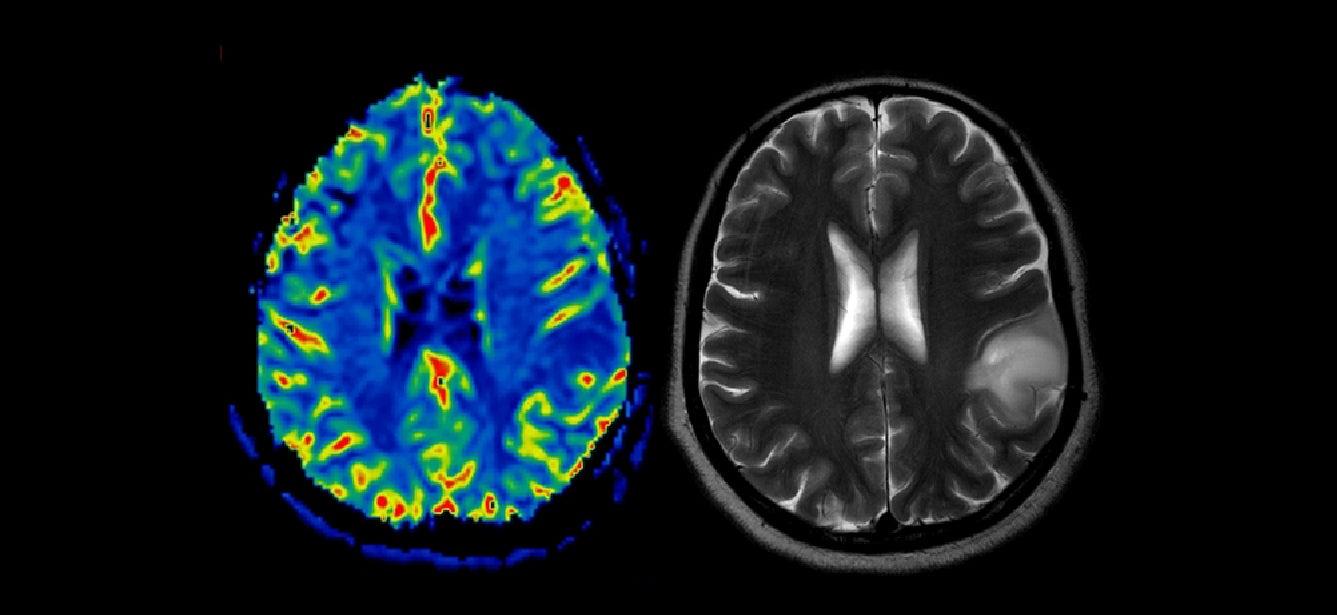
Kisunla is specifically approved for people with early symptomatic Alzheimer's disease. This includes patients who are experiencing mild cognitive impairment or mild dementia, the population in which treatment was studied in the clinical trials. To qualify for Kisunla, patients usually must undergo a thorough evaluation, including cognitive testing and brain scans or imaging, such as a PET scan, to confirm the presence of amyloid plaques. Other tests that can be used to determine the presence of plaques include spinal fluid and blood plasma.
What are the side effects of Kisunla (donanemab)?
Like any medication, Kisunla can cause side effects. The most common ones seen in patients were headache and ARIA (amyloid-related imaging abnormalities), which can include swelling or small areas of bleeding in the brain. These imaging changes will be monitored closely by health care providers to manage any potential risks, especially during the early months of treatment when ARIA is most likely to occur.
There is also a risk of infusion-related reactions to Kisunla, such as:
- Headache
- Chills
- Fever
- Nausea
- Vomiting
- Swelling
- Blood pressure changes
- Anaphylaxis (a severe, life-threatening allergic reaction)
Patients taking Kisunla should report any unusual symptoms to their doctor right away.
How much does Kisunla (donanemab) cost? Will Medicare cover it?
The cost of Kisunla can be quite high due the complexity and research investment involved in developing advanced Alzheimer’s treatments. Lilly currently lists Kisunla at about $717.79 per 350 mg/20 mL vial. Since the medication is given through an IV infusion every four weeks and doses are gradually titrated up, the estimated annual list price before insurance is around $32,000.
How much you pay for Kisunla depends greatly on how long you stay on the treatment and other factors, including:
- The type of insurance you have (e.g., Medicare, Medicare Advantage/Part C, Medicaid, or employer-based coverage)
- Your plan’s deductible and cost-sharing rules
- Extra costs (e.g., infusion center fees, imaging tests)
If you have Medicare Part B, for instance, you may have to pay 20% of the Medicare-approved cost for Kisunla after meeting your Part B deductible. The 20% coinsurance includes the cost of the medication as well as the costs for supplies and equipment used to administer the medication by IV.
Patients must be prescribed this medication from a doctor enrolled in a study focused on collecting data to track its effectiveness. This requirement is part of Coverage with Evidence Development (CED), a special policy used by Medicare. It means the program will cover and pay for a new medical treatment or test, but only while it’s being studied further. The goal is to learn how well the treatment works and how safe it is before deciding if it will be covered for all people with Medicare.
Contact Medicare or your insurance provider to get more details about coverage for Kisunla and potential financial assistance programs.
Talk to your doctor about Kisunla
“Kisunla reflects the tremendous progress researchers have made in developing innovative new treatments for Alzheimer’s disease,” said Dorothea Vafiadis, NCOA Senior Strategist for Healthy Aging.
While Kisunla is not a cure for Alzheimer's disease, its ability to slow symptom progression may help people maintain daily function longer and could ease some of the burden on families and caregivers,” Vafiadis said.
As with any medical treatment, you should have an open and informed discussion with your health care provider to decide if Kisunla is right for you or someone you care about based on the specific diagnosis, test results, symptoms, and medical history.
Want to keep tabs on the latest treatments for Alzheimer’s? Visit and bookmark NCOA’s Alzheimer's & Dementia resource page for older adults.
Sources
1. Alzheimer's Association. 2026 Alzheimer’s Disease Facts and Figures Report. Found on the internet at https://www.alz.org/getmedia/ef8f48f9-ad36-48ea-87f9-b74034635c1e/alzheimers-facts-and-figures.pdf
2. Centers for Disease Control and Prevention. About Alzheimer's Disease. Who Has Alzheimer's Disease? Found on the internet at https://www.cdc.gov/alzheimers-dementia/about/alzheimers.html
3. Lilly. Lilly's Kisunla™ (donanemab-azbt) Approved by the FDA for the Treatment of Early Symptomatic Alzheimer's Disease. July 2, 2024. Found on the internet at https://investor.lilly.com/news-releases/news-release-details/lillys-kisunlatm-donanemab-azbt-approved-fda-treatment-early
More Ways to Manage Your Health
Get information on prevention and how to manage ongoing health conditions focused on physical and mental health. From exercise tips to diet and nutrition, this is your one-stop shop for caring for yourself and loved ones.