Related Topics
Blurry vision and frequent squinting can be clues that you need a new glasses prescription. But sometimes, these changes point to another condition that glasses alone cannot fix, like dry eyes or cataracts.
If books are becoming harder to read or familiar road signs are starting to look a bit fuzzy, it’s worth getting your prescription checked. Read on to learn 10 signs that you need new glasses, when to replace them, and when vision changes need urgent attention.
How do you know if you need a new glasses prescription?
You may need a new prescription if your vision is less clear or comfortable while wearing your glasses. These changes are often gradual. You might inch a bit closer to the television or enlarge your smartphone’s font without thinking much about it. Those workarounds help for a time, but they can also make it easier to overlook a problem.
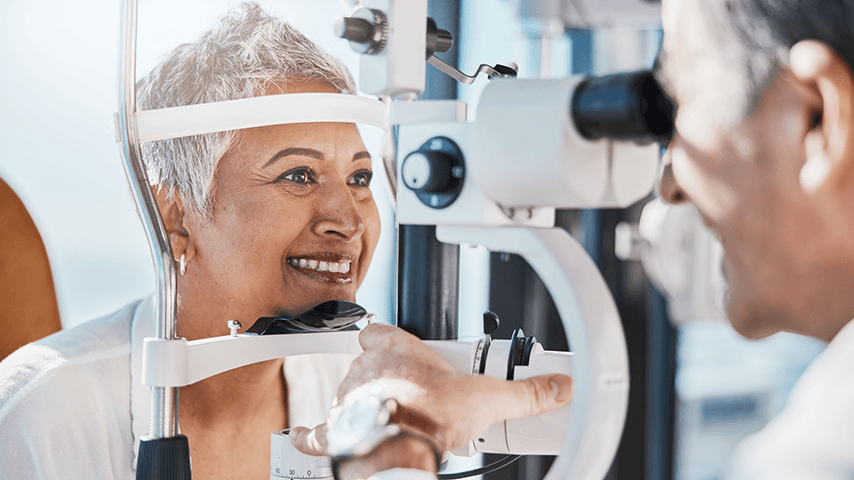
An eye exam is the best way to find out if your prescription has changed or something else is affecting your sight.
Is It Time to Get Your Glasses Prescription Checked?
| Schedule an eye exam if you notice: |
|
☐ Blurry vision while wearing your glasses |
|
☐ Frequent squinting |
|
☐ Recurring headaches or tired eyes after reading |
|
☐ Trouble reading small print |
|
☐ Difficulty seeing at night |
|
☐ Needing brighter light for everyday tasks |
|
☐ New or worsening halos around lights |
|
☐ Glasses that no longer improve your vision |
|
☐ Trouble judging steps or distances |
*These signs don’t always mean you need stronger glasses. An eye exam can help identify the cause.
Signs you need a new glasses prescription
There are a number of signs you may need to get your eyesight checked by a doctor. Let’s look at some of them below.
- Blurry vision. Does the TV screen or computer monitor look fuzzy even after you clean your lenses? Blurring at a distance, up close, or both may mean your glasses no longer focus light properly for your eyes. Make note of when it happens and see if blinking helps; share those details at your eye appointment.
- Frequent squinting. Squinting is like a “shortcut” for your brain that helps you see more clearly. Since it can temporarily sharpen your view, you may do it without even realizing. Try to pay closer attention. If you find yourself regularly narrowing your eyes to read signs or recognize faces while wearing your glasses, schedule a vision check. You may need a new glasses prescription, or it may be that the lens type, frame fit, or lens positioning doesn’t suit your eyes. This can be especially noticeable with progressive lenses or stronger prescriptions.
- Headaches or eye strain. Tired, sore eyes or headaches after reading may indicate your prescription needs tweaking. But dry eyes, long hours staring at a screen, and other issues can cause similar discomfort. Take breaks during screen time and mention any recurring symptoms to your eye doctor.
- Difficulty reading small print. Do you find yourself holding a menu farther away, or struggling to make out medicine bottle labels? These signs can mean your near-vision correction needs adjusting. Don’t guess at medication instructions if you’re having trouble seeing; recruit a friend or family member to help. And ask your pharmacist if they can fill your medications using large-print labels while you arrange an eye exam.
- Trouble seeing at night. If road signs are harder to read or headlights seem unusually dazzling, your prescription may have changed. But new glasses aren’t always the answer. Cataracts and retinal disorders can make it harder to see in low-light conditions, including causing or worsening night blindness. Poor nighttime vision can be dangerous. Avoid driving after dark if you cannot see safely, and arrange an eye appointment.
- Needing brighter light to see. As we age, our eyes often need more light for reading and other close-up tasks. Adding bright lamps nearby can help. But a growing need for brighter light deserves a checkup, especially when it’s paired with vision blurring or reduced contrast. More light isn’t a substitute for a full eye exam.
- Seeing halos around lights. Rings or glare around lamps and headlights can be a hallmark of focusing problems or cataracts. Tell your eye doctor if this is happening to you, whether it’s a new issue or a worsening problem. Seeing light “halos” along with eye pain or weakness, redness, headache, or nausea requires emergency evaluation. This may be a sign of acute angle-closure glaucoma, which is considered an ophthalmic emergency and can cause total blindness within hours if left untreated.
- Double vision. Seeing two images of one object (known as diplopia) is a common complaint. More than 800,000 Americans visit an eye care specialist every year because they’re experiencing double vision, and roughly 50,000 people visit the ER for this same reason.1 Double vision can sometimes be related to focusing problems, but it can also signal an eye-muscle problem or other medical issue, like cataracts. Contact an eye professional promptly if you’re noticing this type of change in your vision. If your double vision starts suddenly, get immediate medical attention rather than waiting for a prescription-check appointment.
- Your glasses no longer improve your vision. If your glasses don’t seem to help your vision much anymore, don’t assume you just need stronger lenses. Cataracts, dry eye, age-related macular degeneration, glaucoma, and other common eye disorders and diseases may limit how well glasses work. A thorough exam can help determine what the cause is and what treatment you need.
- Problems with balance or judging distances. Misjudging steps or struggling to judge a curb’s height may be related to your vision. The way your glasses fit and the lens design can also affect how you navigate your surroundings. Tell both your regular doctor and your eye doctor about any new unsteadiness, since balance problems can have causes beyond your eyes. Addressing these issues promptly can help you pinpoint the cause and avoid falls.
Why does your glasses prescription change with age?
As we get older, the lens inside each eye becomes less flexible, making it harder to focus on nearby objects (e.g., a book or phone screen). This is called presbyopia, and it usually begins after age 45, according to the National Eye Institute.
Later prescription changes may involve cataracts or other changes in the eye. Diabetes and fluctuating blood sugar can also affect focusing. Your eye doctor can help explain what’s driving the particular changes you’re experiencing.
How often should you get new glasses?
There’s no rule that says you need new glasses every year. Generally, eyeglasses prescriptions expire one to two years from the date the prescription was written (although states may have their own laws governing when a prescription expires). You should replace your glasses when a prescription change would improve your vision, or when damage or poor fit stops you from seeing comfortably. An exam doesn’t automatically mean you have to buy a new pair.
If your budget is tight, ask if your current glasses can still meet your needs and whether your frames can hold replacement lenses. You can also explore ways to get help affording eyeglasses.
Had an eye exam within the past year, but still having vision troubles? Your prescription may not need an update, says Desinee Drakulich, OD, a Nebraska-based optometrist. “There’s a good chance that your frames may need to be adjusted as most adults’ prescription will not change in less than a year,” she explained in an Advancing Health article.
If you do need to get a new glasses prescription, be prepared for an adjustment period—especially if your prescription changes significantly. Your new glasses may feel a bit strange at first. You might experience eye strain, headaches, visual distortions, or a general sense of disorientation.
“It will take a little bit of time to get used to, but the longer you wear your glasses, the less you’ll notice any symptoms,” optometrist Kristen Borriello, OD, told Cleveland Clinic.
Learn more:
- Explore the best online prescription glasses as reviewed by our experts.
- On a budget? Discover our choices for the best cheap prescription glasses online.
- Review our picks for the best prescription sunglasses.
When should you replace scratched or damaged lenses?
Replace lenses when scratches, peeling coatings, or other damage cause distracting glare or interfere with clear vision. Have an optician check loose or crooked frames; a quick adjustment may solve the problem. Don’t try to polish away scratches with toothpaste or household products, since these can damage coatings further.
When do you need to get an eye exam?
After age 65, the American Academy of Ophthalmology recommends a comprehensive eye exam every one to two years. Schedule an appointment sooner if you’re having any new symptoms.
“Most optometrists recommend getting checked every two years, but sooner if you feel like your vision is changing,” optometrist Thomas Krainz, OD explained to Cleveland Clinic. “If you’re older and have other underlying conditions such as high blood pressure, diabetes, or an autoimmune condition, have an exam every year.”
Bring your glasses and medication list to your eye exam appointment, along with notes about tasks that have become difficult (e.g., reading road signs when you’re driving).
When are vision changes an emergency?
Get immediate medical help for warning signs such as:
- Sudden vision loss or a major sudden change in sight
Many new floaters or flashing lights, or a shadow or “curtain” across your vision - Sudden double vision
- Severe headache
- Severe eye pain, especially with redness, halos, nausea, or vomiting
If your vision is distorted or lacking, do not drive yourself. Ask someone to drive you, use a rideshare service or taxi, call 911 if symptoms are severe, or follow your eye doctor's instructions for urgent care.
Call 911 immediately if any vision changes occur with feeling weak or numb, drooping on one side of your face, confusion, dizziness, or difficulty speaking; these are signs of a stroke.
Frequently asked questions (FAQ)
Can wearing an old glasses prescription damage your eyes?
For adults, an outdated prescription usually won’t permanently damage the eyes. But it can leave you with symptoms like blurry vision, discomfort, and headaches. These conditions can make it less safe to get around (especially if you’re driving).
Can you get new glasses with an old prescription?
Possibly, if the prescription is still valid (not expired) and meets applicable state requirements. You have a legal right to a copy of your glasses prescription immediately after an eye exam that measures your prescription, and before the provider offers to sell you glasses. This means you can shop around for glasses and compare prices—you don’t have to buy them from your eye doctor.
If your vision has changed, get an exam before ordering another pair with the same prescription.
Do you need new glasses if your prescription changes slightly?
Not always. Ask if the prescription change would noticeably improve your everyday vision. Take into account the condition of your current glasses as well as your everyday needs and lifestyle.
Can your glasses prescription change as you get older?
Yes. Age-related focusing changes, cataracts, and other conditions can all affect your prescription. A change is a reason to check your eye health, not just a reason to buy stronger glasses.