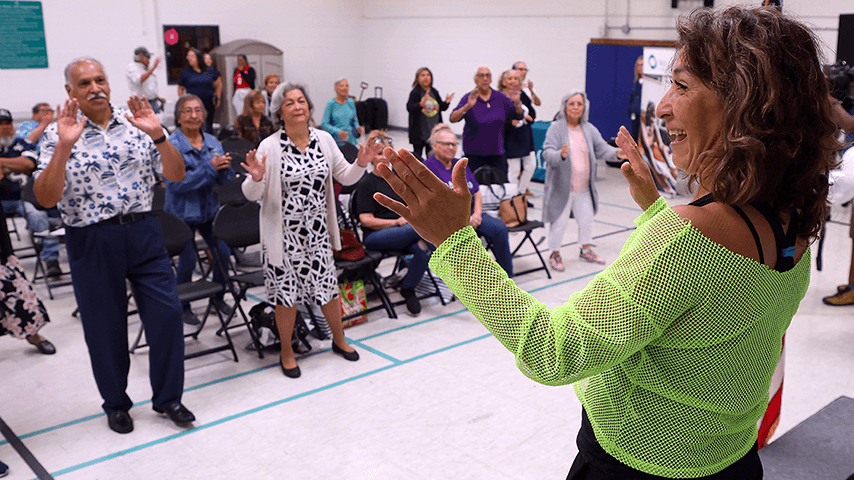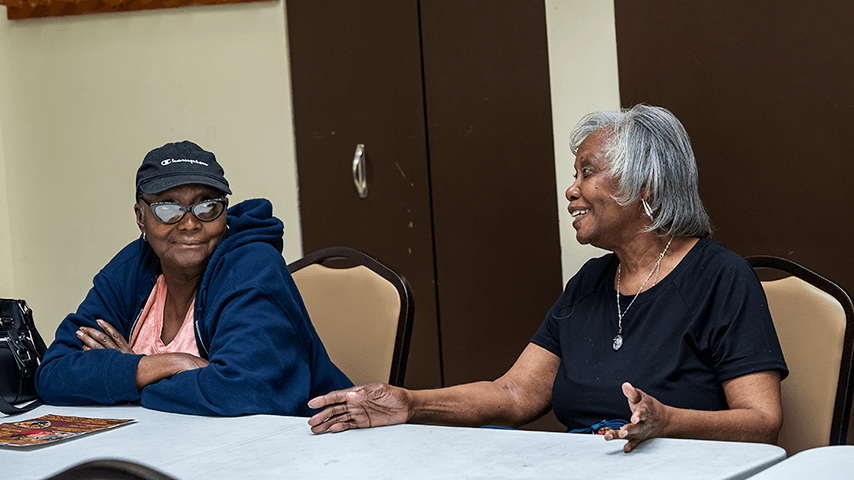


Somerset County's Smith Island in Maryland's Eastern Shore is a community so remote it is only accessible by boat and lacks Wi-Fi. Yet by adaptating technology to meet residents where they are, one organization has managed to extend access to evidence-based programming—including chronic diease self-management, falls prevention, and diabetes support.
The MAC, Inc., Maryland Living Well Center of Excellence (LWCE) is using technology to break down barriers for older adults in Smith Island and across Dorchester, Somerset, Wicomico, and Worcester counties. All are regions marked by transportation limitations, health access challenges, and geographic isolation. Yet LWCE has become a beacon of innovation in aging services.
LWCE’s State Program Coordinator, Sue Lachenmayr, shared her insights on how to most effectively use technology to provide programming to rural populations.
Improving Rural Outreach at a Glance
| Teach Tech Basics | To help bolster confidence with technology, offer one-on-one training, phone coaching, and equipment such as tablets. |
| Focus on Accessibility | Tailor exercise classes to people with mobility challenges and offer ingredient kits during cooking classes. |
| Offer Online Programs | Allowing online participation can help people feel safe and stigma-free. |
| Forge Vital Partnerships | Community partners like universities, state and local health departments and hospitals help expand program access. |
How is technology helping rural communities access services and stay connected?
- Tablets bridge communication gaps for older adults and people with disabilities.
- Devices were pre-programmed and distributed to homebound individuals across rural counties.
- Provided access to virtual workshops, health education, exercise, cooking classes, and social services.
- Internet connectivity became essential due to limited transportation and health care access in rural areas.
- Even in areas like Smith Island, which has no Wi-Fi and is only accessible by boat, technology highlighted the digital divide and the need for expanded infrastructure.
- Technology has helped reduce social isolation and loneliness.
This class is a lifeline for me, not only to the outside world but also to my family. Cooking is one of the few things I still enjoy and can do.” —Cooking class participant with heart failure
What challenges did participants face, and how was support provided?
- Many participants had limited experience with technology, so training was essential.
- Support included home visits, telephone coaching, and one-on-one assistance.
- A reserve of tablets is still maintained and distributed as needed.
- Programs were designed to be low-barrier and accessible, including:
- Ingredient kits for cooking classes to eliminate the need for grocery store visits.
- Exercise classes for people with physical limitations or transportation issues.
- Virtual platforms allow for safe, stigma-free participation.
I was too embarrassed to go to a gym because of my limp and missing toes, but now I can exercise at home and made new friends online.” —EnhanceFitness participant with diabetes
What has made these technology-based programs successful in rural areas?
- Success relied on community partnerships and infrastructure, including:
- Maryland Department of Aging, Johns Hopkins, Meals on Wheels, and local hospitals and public health departments
- Alignment through LWCE’s Community Care Hub model, connecting health care and social services
- Reliable Wi-Fi and broadband access were foundational, enabling everything from video calls to online learning.
- Data sharing through Maryland’s Health Information Exchange (CRISP) allows tracking of outcomes like hospital visits and engagement.
- Focus on fair access and inclusivity for all communities.
Learn more
Interested in learning more about MAC, Inc. or how to replicate their model in your community?
Visit the Maryland Living Well Center of Excellence homepage or contact Sue Lachenmayr, State Program Coordinator at MAC, Inc.
For additional tools and insights, explore NCOA's Rural Toolkit: Improving Quality of Life in Rural Communities.
This project was supported by the Administration for Community Living (ACL), U.S. Department of Health and Human Services (HHS) as part of a financial assistance award totaling $10,000,000 with 100 percent funding by ACL/HHS. The contents are those of the author(s) and do not necessarily represent the official views of, nor an endorsement, by ACL/HHS or the U.S. Government.
How NCOA Helps Older Adults Thrive
NCOA's Center for Healthy Aging (CHA) provides training and technical assistance to help professionals support community-based health education opportunities for older adults and adults with disabilities.