

Related Topics
While preventing COVID and the flu in older adults is still important, pneumonia is another health threat we cannot afford to ignore. According to the Centers for Disease Control and Prevention (CDC), pneumonia was responsible for 41,210 deaths in 2023. Roughly 1.2 million people visited the ER that year with pneumonia as their primary diagnosis.1
What is pneumonia?
Pneumonia refers to an infection in which the air sacs in the lungs fill with fluid. When this happens, the oxygen you breathe in is not as readily absorbed by your blood. Pneumonia can affect one or both of the lungs.
Symptoms of pneumonia include fatigue, sudden onset of fever and chills, chest pain, shortness of breath, rapid breathing, and coughing that produces green or yellow fluid (sputum). The severity of this illness can range from mild to life-threatening.
What causes pneumonia?
Pneumonia can be caused by bacteria, viruses, and fungi. But its most common cause is the bacterial strain Streptococcus pneumoniae (pneumococcus). Infections caused by these bacteria are generally referred to as pneumococcal disease. They can attack different parts of the body such as the bloodstream and/or vital organs.
There are three primary types of pneumonia:
- Community-acquired pneumonia: When a patient develops pneumonia outside of the healthcare setting.
- Healthcare-associated pneumonia: When a patient develops pneumonia during or after a stay in a hospital or long-term care facility.
- Ventilator-associated pneumonia: When a patient develops pneumonia after being on a ventilator (breathing machine).
Who is at risk for developing pneumonia?
Adults over 65 are particularly vulnerable to developing pneumonia—even if they’re healthy and active. They are also more likely to die from pneumonia. In fact, pneumonia-related hospitalization has a higher risk of death for older Americans than any of the other leading causes of hospitalization. This is because as we age, our immune system weakens and cannot fight off pathogens as effectively. Older adults are also more likely to have chronic health conditions (comorbidities) and other risk factors. These can increase the likelihood of developing pneumonia, and include:
- Asthma
- Chronic obstructive pulmonary disorder (COPD)
- Compromised immune system due to chemotherapy, HIV/AIDS or other factors
- Congestive heart failure
- Cystic fibrosis
- Smoking tobacco
- Dementia
- Diabetes
- Liver or kidney disease
- Recent respiratory infection
How is pneumonia treated?
Treatment for pneumonia depends on the cause of the infection and its severity. Mild cases can usually be treated at home. Hospitalization may be required for cases that have progressed. In general:
- If you develop pneumonia from bacteria, you may be given antibiotics orally or intravenously (IV).
- If your pneumonia is caused by a virus, antiviral medications may be given, but treatment is typically limited to supportive care. This includes rest, plenty of fluids, and over-the-counter (OTC) medications to help ease symptoms. In some cases, supplemental oxygen therapy may be administered.
How can older adults prevent pneumonia?
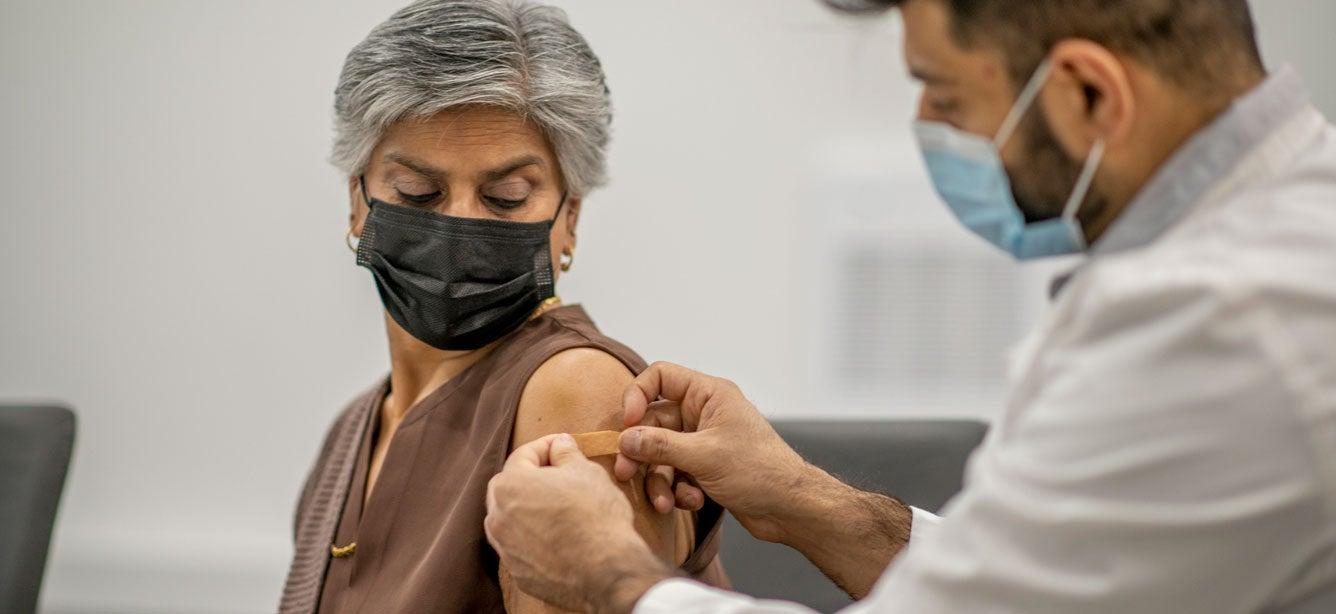
Regular hand washing and a healthy lifestyle (including not smoking) can help keep pneumonia and other illnesses at bay. But the most important thing you can do to prevent pneumonia is get the pneumococcal vaccine.
CDC recommends adults age 50 and older get vaccinated to help prevent some forms of pneumonia. The same guidance applies to adults younger than 50 who are at increased risk for pneumococcal disease.
For both groups of patients, a dose of PCV15, PCV20, or PCV21 is recommended.
If PCV15 is used initially, a dose of PPSV23 should be administered one year later, if needed. The minimum interval is 8 weeks, and may be considered for adults who are immunocompromised or who have a cochlear implant or cerebrospinal fluid leak.
This guidance applies to patients who have not previously received a pneumococcal conjugate vaccine or whose vaccination history is unknown. Ask your doctor which pneumococcal vaccine is right for you. See the CDC website for additional details on pneumococcal vaccine guidance.
Older adults should also get the flu vaccine (the high-dose version) every year, since pneumonia is a common complication of the flu.
Does Medicare pay for flu and pneumonia shots?
Yes. If you have Medicare, in most cases, your Medicare Part B plan will cover 100% of the pneumococcal vaccine once in your lifetime. Part B also covers one flu shot every flu season and additional flu shots if deemed medically necessary. This means you should have no out-of-pocket costs if you get your vaccines from a health care provider who accepts Medicare. If you have Medicare Advantage, you may have to use an in-network doctor or pharmacy.
Where can you get the Medicare-covered pneumonia vaccine?
If you’re over the age of 65, getting your vaccines is an important part of healthy aging—and they also help ensure the health of your friends and family. If you haven’t received your pneumonia or other vaccines, check with your Medicare provider about where you can get them or visit the CDC website. You can usually get vaccines at your doctor’s office or at your local clinic or pharmacy.
“As we age, we’re more susceptible to certain diseases and infections like pneumonia, COVID, and the flu,” said Dorothea Vafiadis, Senior Director of NCOA’s Center for Healthy Aging. “Evidence-based vaccines are a safe and effective prevention tool. They help bolster the immune response, providing highly effective protection against serious and potentially deadly complications. It's critical for older adults to talk to their doctor about their vaccination needs and schedule to make sure they're well-protected year-round.”
Sources
1. Centers for Disease Control and Prevention (CDC) National Center for Health Statistics. Pneumonia. Found on the internet at https://www.cdc.gov/nchs/fastats/pneumonia.htm
Is It Flu or COVID?
While flu and COVID-19 share many similarities, they are distinct illnesses with different causes, complications, and treatments.