
Do You Need a Will or a Trust? Here’s How to Decide
10 min read


Related Topics
Most people put off estate planning because they don't know where to begin—or they assume it's only for the wealthy. In fact, only 45% of American adults have created estate planning documents according to LegalZoom.1
The reality is this: No matter your age, income, or family situation, everyone needs a plan. Having one ensures your wishes are known, your assets are protected, and someone you trust can make decisions on your behalf if you’re unable to.
Wills and trusts are two legal tools that help you control these outcomes. They're not interchangeable, and they don't do the same job. A will “speaks” after you're gone. A trust can work while you're still living. Understanding what each of these planning tools does—and what it can't do—will help you build an estate plan that protects your family and your legacy.
What is a will?
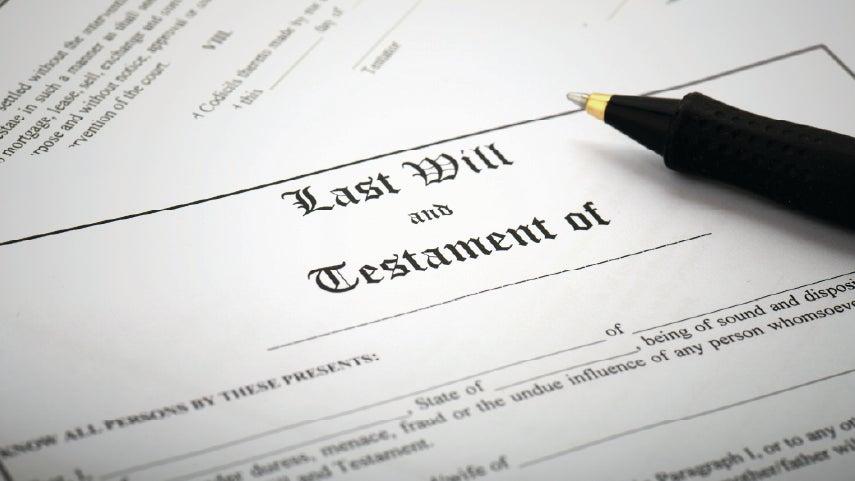
A will is a legal document that outlines how you want your assets distributed after you die. It’s often the first step people take in estate planning because it’s relatively simple to create and easy to update.
Key features of a will
A will allows you to:
- Name your beneficiaries: You decide who inherits your property, money, and other belongings, whether it’s your spouse, children, grandchildren, or your favorite charities.
- Appoint an executor: This is the person responsible for carrying out your wishes, paying debts, and distributing your assets.
- Name guardians for minor children or dependents: If you’re caring for a child or an adult with special needs, your will lets you choose who will continue that care.
- Leave charitable gifts: You can include donations to organizations or causes that matter to you.
If you pass away without a will, state law decides who inherits your property—and that can lead to messy situations. Family members may disagree, assets can be tied up in court, and your true wishes might never be known. Creating a will lets you stay in control and ensures your loved ones have clear guidance when they need it most.
Limitations of a will
While a will is a key part of estate planning, it does have limits:
- It (usually) must go through probate: Probate is the court-supervised process that confirms your will and oversees the distribution of your estate. This can take several months or longer and may involve legal fees. Not all wills have to be probated. State laws vary, but in some instances, if you have a small estate, jointly held assets, or property with named beneficiaries, probate can be avoided. However, if you don’t have a will, it’s even more likely your estate will have to go through probate.
- It doesn’t cover all assets. Some assets, like retirement accounts or life insurance policies, pass directly to your named beneficiaries and aren’t controlled by your will.
- It’s public record. Once filed for probate, your will becomes accessible to the public, meaning your estate details are not private.
Why everyone needs a will
Everyone should have a will—it’s the foundation of any estate plan. Even if you have a trust or other financial arrangements in place, a will ensures that anything not covered elsewhere is distributed according to your wishes. It’s especially important if:
- You have minor children or dependents and need to name guardians.
- You wish to leave specific gifts to family, friends, or charities.
- You want to choose your executor rather than letting the court decide.
- You want to create a simple plan for distributing a small estate.
What is a trust?
A trust is a legal arrangement that allows a third party (a “trustee”) to hold and manage assets on behalf of one or multiple beneficiaries. While a will only takes effect after your death, a trust can manage your assets both during your lifetime and after you’re gone. The trustee can be the same person you name as executor in your will, or someone different—but you’ll need to name them separately in each document.
Why people use trusts
Is a trust better than a will? People create trusts for a variety of reasons:
- Avoiding probate: One key benefit of a trust is that assets placed in it can pass to beneficiaries without going through the court system. However, any assets not included in the trust will still be distributed according to your will and may require probate.
- Maintaining privacy: Unlike a will, a trust is not made public after your death. If you want to keep the distribution of your assets confidential and shield your family affairs from prying eyes, a trust makes it possible.
- Managing complex estates: Trusts can help organize and manage assets—such as real estate, investments, or business ownership—under one structure. They can be particularly useful not only for larger estates but also for moderately sized estates with complicating factors, such as blended families, multiple heirs, or diverse investments.
- Providing flexibility and control: You can decide how and when your beneficiaries receive their inheritance—for example, you can direct it to be released in stages or reserved for defined purposes (e.g., education or medical expenses).
Basic types of trusts
There are two main categories of trusts:
- Revocable living trust: This is the most common type. You retain control of your assets during your lifetime and can change or cancel the trust at any time. After you pass away, the trustee carries out the plan to transfer assets to your beneficiaries, avoiding probate—but this only happens through the trustee’s actions.
- Irrevocable trust: Once created, this type of trust generally cannot be changed or revoked. It is often used for tax planning, protecting assets from creditors, or managing more complex family situations, such as blended families or divorces.
Beyond these two buckets, there are many kinds of specialty trusts that serve specific functions. Some examples are:
- Special needs trust: This is designed to support a dependent with disabilities without affecting their eligibility for government benefits like Medicaid or Supplemental Security Income (SSI).
- Charitable trust: This type of trust allows you to leave assets to a nonprofit or cause you care about, while often providing tax benefits to your estate.
- Life insurance trust: This is an irrevocable trust set up to hold and manage your life insurance proceeds for your beneficiaries. By naming the trust as your policy’s beneficiary, those funds can be distributed outside your estate, which helps avoid estate taxes.
Situations where a trust may make sense
A trust might be the right choice if:
- You have a large or complex estate with multiple properties or investments.
- You have a blended family and want to make sure everyone is treated fairly.
- You value privacy and prefer to keep your estate details out of public record.
- You have dependents with special needs or loved ones who need financial guidance.
- You want to protect your assets from creditors or future lawsuits.
- You wish to avoid probate and make the transition easier for your family.
Trusts require more work to set up—and often higher upfront costs—but they can save your family significant time, money, and stress later down the road.
Wills and trusts explained: the key differences and how they work together
Although wills and trusts can complement each other, they’re quite different in how they operate. Here’s a quick comparison:
|
Will |
Trust | |
|
When it takes effect |
After death |
During your lifetime and after death |
|
Probate |
Usually go through probate |
Usually avoids probate |
|
Privacy |
Becomes public record |
Remains private |
|
Covers |
Assets in your name only |
Assets placed into the trust |
|
Control |
One-time distribution of assets |
Can control timing and conditions of distributions |
|
Setup cost |
Generally lower |
Higher upfront, but may save later |
|
Common uses |
Distributing simple estates, naming guardians |
Managing complex estates, avoiding probate |
What is more expensive, a will or a trust?
In general, trusts are more complicated and expensive to create, while wills are simpler and more affordable upfront:
- A will can cost anywhere from $15-$1,500+, depending on its complexity and how you set it up.
- Trusts can range from $1,000-$4,000+, especially for detailed or highly customized arrangements.
While a trust will cost you more at the outset, it can save your heirs money in the long run. Probate fees, court costs, and attorney expenses can easily reach 3-7% of your estate's value.1 For a $700,000 estate, that could mean $21,000 to $49,000 in probate costs that a trust would help you avoid.
The time savings is valuable, too. Trusts typically distribute assets in weeks or months, while probate can take up to a year or longer.
Why would I have both a will and a trust?
To have a truly comprehensive estate plan, it’s significantly better to have a will and a trust working together. This isn’t redundant—it’s strategic, ensuring your assets are protected, your wishes are followed, and your loved ones are cared for.
Here’s why: A living trust manages your major assets (like your home, investments, and savings) while bypassing probate. Meanwhile, a will covers anything left out of the trust and provides instructions for personal matters, like naming guardians for children or designating an executor.
For example:
- A revocable living trust might hold your home and major financial accounts.
- A “pour-over will” ensures any remaining assets not already in your trust (like a car you buy or an inheritance you receive later on) are transferred to it when you pass away.
Combining a will and trust provides flexibility and a sense of security, ensuring no assets are overlooked and your wishes are clear in every situation.
How do I make a will or trust?
Creating these documents requires thoughtful planning, but the process doesn't have to be overwhelming. The steps below offer a general framework.
To create a will:
- Decide what assets (property, financial accounts, personal belongings) to include in your will.
- Choose your beneficiaries—who gets what.
- Select an executor, someone you trust to carry out your wishes.
- Draft the will and sign it with proper witnesses (requirements vary by state, but typically you need two witnesses who aren't beneficiaries).
To create a trust:
- Decide which type of trust fits your needs and goals.
- Choose a trustee. This could be you during your lifetime (for a revocable living trust), then a successor trustee to take over after your death.
- Transfer ownership of assets into the trust by retitling bank accounts, real estate deeds, and other property in the trust's name.
- Maintain the trust by keeping records and updating it as your life circumstances change.
✅ See our estate planning checklist for more tips.
DIY vs. professional help
You have options for how to create these documents. Simple wills and basic trusts can often be established using online will preparation services (e.g., LegalZoom, FreeWill, Trust & Will). These cost less but offer limited guidance.
If you have a complex family situation, substantial assets, or specific concerns about taxes or asset protection, working with an experienced estate planning attorney is often worth the investment. They can help you avoid costly mistakes and make sure your documents comply with your state's laws.
When in doubt, talk to a qualified professional
Because wills and trusts serve different purposes, it’s important to talk with a qualified professional—such as an estate planning attorney or financial advisor—about which option best fits your situation. A professional can help you understand how a will ensures your preferences are honored after your death, while a trust can offer additional flexibility, privacy, and control over how your assets are distributed. Getting expert guidance can help you avoid costly mistakes and ensure your plans truly reflect your wishes.
You don’t need great wealth to benefit from either of these powerful legal tools. Estate planning is really about peace of mind—knowing your affairs are in order and your loved ones will be cared for when you’re no longer around.
If you haven’t yet created a plan, now is the time. Reach out to an estate planning attorney who can take a look at your specific needs and recommend the right approach. It may cost you nothing to get some initial guidance; a NerdWallet survey found that 63% of estate planning lawyers offer a free consultation of 30-60 minutes.2
“Start with a simple plan if that feels more manageable and build from there as your confidence grows,” said Josh Hodges, NCOA's Chief Customer Officer. “The people you love will appreciate your foresight in taking the time to put these safeguards in place.”
Sources
1. LegalZoom. Estate Planning Statistics to Read Before Writing Your Will. Updated August 6, 2025. Found on the internet at https://www.legalzoom.com/articles/estate-planning-statistics
2. NerdWallet. Estate Planning Attorneys: What They Do and How to Choose One. July 11, 2023. Found on the internet at https://www.nerdwallet.com/article/investing/estate-planning/estate-planning-attorney
The foregoing information is for general informational purposes only. This information is not intended to be a substitute for specific individualized tax, legal or financial planning advice. Individuals should always consult a qualified professional.
Funding for This Resource Made Possible By Our Partner
Make Your Will in a Few Simple Steps
Don’t leave important decisions to chance. Learn how a simple will can protect your family, prevent conflict, and ensure your wishes are honored. This step-by-step guide from Mutual of Omaha makes the process easier than you think.