
Medical Guardian vs. Medical Alert Review
Medical Alert and Medical Guardian have similar medical alert technology. This review will take you through how their costs and features compare, and what to know before using these devices.

- Of the two medical alert systems, Medical Guardian has the longer range and sleekest tech.
- Medical Alert’s lineup costs $28–$40 per month, while Medical Guardian’s product lineup is $32–$43 per month.
- Both systems have one-time equipment fees between $100–$160 when you first sign up.
- Medical Guardian has more mobile GPS devices to choose from.
At NCOA, we take the time to research, test, and recommend products that aim to help you live a healthier life. We’ve spent more than 3,000 hours researching medical alert systems to give you the most accurate product reviews. To find the best medical alert systems, we:
- Consulted with doctors and licensed adult caregivers who specialize in working with older adults
- Put more than 35 devices through a series of 16 different tests at our in-house lab
- Mystery shopped more than 15 brands
- Surveyed more than 1,000 medical alert system users and caregivers
- Interviewed experts on older adults falls risk
- Worked with older adults to test medical alert systems and get their opinion
- Read thousands of verified customer reviews
We’re constantly testing new medical alert systems to give you the most accurate and up-to-date recommendations. Read more about our medical alert system review methodology.
Medical alert systems can help support independence, especially for older adults who live alone. There are a lot of medical alert system brands to choose from, each with its own merits. In this review, we compare two picks from our Best Medical Alert Systems roundup: Medical Alert and Medical Guardian. Medical Alert was named Easiest Setup, while Medical Guardian has something for everyone, winning Best Overall.
Around 17% of the medical alert system owners we surveyed had Medical Guardian, while 10% had Medical Alert (not to be confused with Medical Care Alert).1 To help you find the right medical alert for you, we've tested products from both systems to identify the pros and cons of each. In this Medical Guardian vs. Medical Alert comparison, we’ll take a look at cost, user-friendliness, and our own experience with these medical alert systems.

Medical Guardian
Fast response times and long battery life

Medical Alert
Reliable home systems and comfortable wearable devices
Medical Guardian vs. Medical Alert: An overview
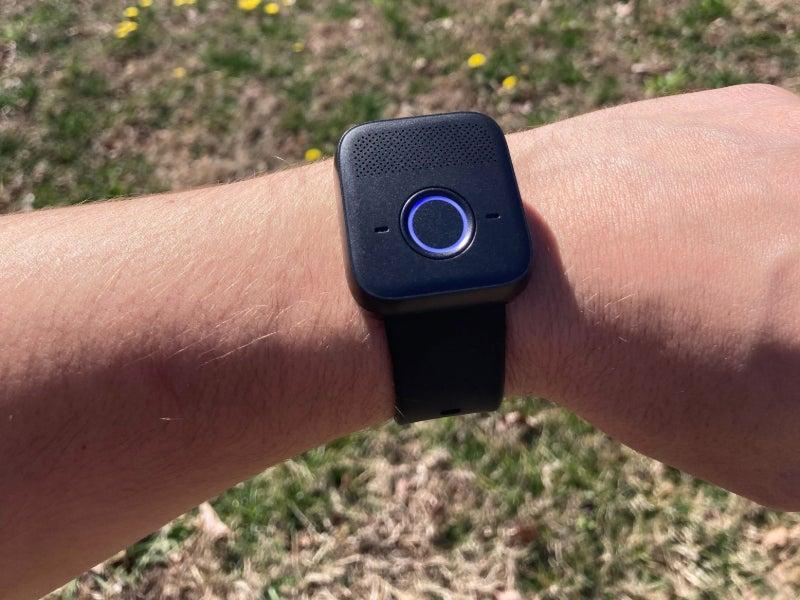
Both Medical Alert and Medical Guardian sell medical alert systems in home units, wearable GPS necklaces, and smartwatches. Medical Guardian goes one step further to offer a GPS wristband that’s not a watch. The only wristband Medical Alert offers is the one that comes with the home unit.
Speaking of home units, the Medical Alert Home System has a range of 800 feet, which is on the shorter side of average for medical alert systems. Medical Guardian’s home unit range is 1,400 feet (about ¼ mile).
Medical Guardian charges for its added tech and longer range, costing a few dollars more per month than Medical Alert. Where the two brands align is fall detection: It costs $10 to add fall detection to your devices (and fall detection requires a wearable device), no matter which brand you choose. Both brands include the option for a lockbox to keep a set of keys for emergency responders to use. With Medical Alert, the lockbox is free with an annual plan.
Medical Guardian vs. Medical Alert devices compared
| Comparison Features | |||
|---|---|---|---|
| In-home system (landline or cellular) | MGClassic and MGCellular |
Home System |
Medical Guardian has nearly twice the range (1,400 feet) |
| GPS wearable | MGMini |
Mobile System |
Medical Guardian has longer battery life |
| Small GPS wearable | MGMini Lite |
Mini Mobile System |
Both can convert to wristband |
| Smartwatch | MGMove Smartwatch |
Smartwatch |
Medical Guardian’s clock face has more features, though both count steps and heart rate |
Medical Guardian review
Medical Guardian
- Medical Guardian review
- Fast call center response times
- Seamless device setup
- Two-way communication
- Device types: Home, mobile, wearable
- Fall detection: $10/month
- Caregiver alerts: Yes
- Connection type: Landline or LTE
Pros
- Clear audio
- Call cancellation
- Long range on home unit
Cons
- More expensive than some competitors
- Fall detection requires separate necklace
- Lockbox costs extra
Medical Alert review
Medical Alert

- Medical Alert review
- May be a good fit for those who stick close to home
- Clear audio
- Comfortable wearable devices
- Device types: Home, mobile, wearable
- Fall detection: $10/month
- Caregiver alerts: Yes
- Connection type: Landline or LTE
Pros
- Straightforward setup
- Multilingual operators
- Average response time less than 30 seconds
Cons
- No call cancellation
- Short battery life
- Limited range on home system
Medical Guardian vs. Medical Alert cost comparison
| Comparison Features | |
|
|---|---|---|
| Home unit monthly cost (landline)* | $32 |
N/A |
| Home unit monthly cost (cellular) | $39 |
$38 |
| GPS wearable monthly cost | $44 |
$43 |
| GPS wristband option | $48 |
$48 |
| Smartwatch monthly cost | $43 |
$45 |
| Fall detection monthly cost | $10 |
$10 |
| Equipment fee | $150–$200 |
$100–$159 |
| Lockbox | $3/month |
Free with annual plan |
*Prices as of 2026
How to choose the best medical alert system for you
The best medical alert system for you depends on your routine. If you spend most of your time at home, consider the Home System units and how comfortable their necklace help buttons are. If you garden or go outside frequently but don’t leave your property, make sure you find a medical alert system with a long enough range to protect you if you go to the mailbox or spend an afternoon weeding. If you’re out and about, GPS devices like medical alert smartwatches might be the best medical alert system for you.
“I would reiterate the importance of choosing something that’s going to be the best for yourself or for your loved one,” says Amanda Rudderman, fall prevention coordinator for VCU Health Trauma Center’s Injury and Violence Prevention Program. “Do some research and some comparisons to select something you’re going to be happy with that will make you feel confident, rather than avoiding using it."
Frequently asked questions
What's the biggest difference between Medical Alert and Medical Guardian?
The biggest differences between Medical Alert and Medical Guardian are price and variety of offerings. Medical Guardian is a little more expensive. But for that extra cost you get multiple GPS wearables and a home unit with almost double the range of Medical Alert.
Does Medical Alert have smartwatches?
Yes, Medical Alert offers the Medical Alert Smartwatch for a monthly cost of $39.95 after a startup fee of $159. The Smartwatch counts steps, tracks heart rate, displays the time, and has a GPS-enabled medical alert button.
Is Medical Alert legit?
Yes, Medical Alert is a legitimate company. It has a customer service line, a monitoring center, and a variety of medical alert system devices. The Medical Alert monitoring center operates 24/7 every day of the year, and there’s even an app you can use to manage your account.
Does Medical Guardian or Medical Alert cost more?
Medical Guardian costs more than Medical Alert. Medical Guardian’s product lineup is priced around $32–43 per month, while Medical Alert’s lineup will cost you $28–$40. Medical Guardian’s equipment fee can reach $200. Medical Alert’s most expensive equipment fee is $160.
Questions? Email us at reviewsteam@ncoa.org.