

Related Topics
Many CDSME grantees first introduced Session Zero—an optional introductory meeting held before the first official CDSME class session—during the shift to remote workshops in the pandemic. The idea was to orient participants before the program officially began.
But what started as a simple workaround has evolved into an effective practice that strengthens participant engagement and program performance.
Currently, more grantees are incorporating a Session Zero into their regular workshop delivery because it supports:
- Higher retention
- Cleaner data
- Smoother first sessions
- A more comfortable experience for both participants and facilitators without increasing cost of staff burden
What is Session Zero?
Session Zero refers to an optional introductory meeting held before the first official CDSME class session of an evidence-based program. It can take place on a video platform, by phone, or in person and may be led by a program facilitator, coordinator, or another trained team member.
Session Zero often includes:
- Warm introductions to help participants feel at ease and start building rapport
- A walk-through of workshop structure including topics, materials, expectations and attendance
- Paperwork and baseline surveys completed outside the pressure of the first class
- Reflection on personal motivations or goals which helps anchor commitment
- Interactive engagement activities such as brief brainstorms, pair-and-share discussions, trivia, or simple games related to workshop content or self-management concepts
Grantees often report that Session Zero requires minimal resources and can be run by non-certified staff, making it a simple and cost-effective enhancement to CDSME delivery.
What you gain with Session Zero
| With Session Zero | Without Session Zero |
| Participants stay engaged and complete the workshop | Higher risk of early drop-off |
| Paperwork is finished correctly and on time | Incomplete or rushed baseline data |
| Participants arrive confident and ready to participate | Participants feel unsure or unprepared |
| Facilitators can focus on teaching rather than logistics | Session One gets slowed down by forms and questions |
Planning ahead pays off. Holding a Session Zero often leads to:
- Higher completion and engagement—When participants understand the workshop structure in advance and have already established rapport, they are more likely to stay engaged through all sessions. Several CDSME partners, including Michigan State University Extension, report fewer early drop-offs after adding Session Zero.
- Better data and fewer delays—Collecting CDSME enrollment forms and baseline surveys during Session Zero reduces stress for participants and facilitators. Completing these materials ahead of time leads to more accurate data and allows Session One to begin with chronic disease self-management content instead of administrative tasks. Session Zero also gives participants space to ask questions or request clarification about survey items, improving understanding and data quality.
While completing surveys is optional, this is an ideal moment to explain why the data matters. Sites can encourage participation by sharing how survey results strengthen CDSME programming, demonstrate community impact and support program sustainability. - A more comfortable particpant and program implementer experience—CDSME participants often describe Session Zero as reducing anxiety and helping them feel settled before joining the full group. At the same time, program facilitators and staff benefit because participants arrive prepared, questions are addressed up front, and administrative tasks are minimized.
As one MSU program leader noted, “When mailing participant workbooks to individuals, it is best to hold a Session Zero to see if they are committed and interested in the full six-week series,” helping ensure participants are ready before diving into action planning and weekly self-management tools while creating a smoother, less stressful start for staff.
Tips for an effective Session Zero
- Create a warm environment. Start with casual introductions to build trust among adults managing chronic conditions.
- Clarify expectations. Review weekly activities, time commitment, attendance and how CDSME workshops are structured.
- Guide participants through paperwork. This prevents incomplete forms and follow-up calls and ensures cleaner CDSME baseline data.
- Encourage reflection. Invite participants to think about the symptoms, goals or self-management skills they hope to improve.
- Leave time for questions. Participants often ask about action planning, materials and workshop flow during Session Zero.
- Prep an easy starter question. One example, "What encouraged you to register for this CDSME workshop?"
What's an example of Session Zero?
Several grantees have used Session Zero and observed measurable improvements. Michigan State University (MSU Extension) used Session Zero to strengthen CDSME enrollment and improve first-session readiness.
MSU Extension began using Session Zero to better prepare older adults managing chronic conditions and to streamline logistics across its CDSME workshops. Staff noticed many participants arrived at the first session unsure about expectations, overwhelmed by baseline paperwork or uncertain how the CDSME program worked. To address this, MSU Extension introduced a short pre-session orientation before every CDSME series, both online and in person.
During Session Zero, MSU Extension staff:
- Help participants complete baseline assessments, reducing administrative tasks during the first session
- Confirm technology set-up for remote CDSME workshops, preventing delays or troubleshooting mid-session
- Review program materials and explain how action planning will work
- Discuss participant motivations, concerns and goals to build rapport and engagement
MSU noted many benefits for participants and staff, including:
- Participants arrive confident, prepared and ready to engage
- Staff, facilitators and coaches experience fewer administrative challenges and smoother first sessions
- More accurate and complete baseline data is collected
MSU Extension said hosting a Session Zero resulted in:
- Higher CDSME workshop completion rates
- Improved attendance follow-through
- Stronger rapport and participant confidence from the start
Session Zero is one tool facilitators can use to help increase participation and reduce dropout.” – MSU program leader
Putting Session Zero into practice
Session Zero is a flexible strategy that can be adapted to your staffing model and delivery format. A brief 20 to 30 minute introductory meeting can significantly improve participant readiness, retention and data quality for CDSME programs.
Consider adding Session Zero to your next CDSME workshop series. It may become one of the most effective strategies you use to support participant success.
Resources
- Tips for Communicating Effectively with Workshop Participants
- Get the Facts on Chronic Disease Self-Management
- Increasing Completion of Chronic Disease Self-Management Education Workshops
- CDSME Resource Center for Professionals
- CDSME Program Fidelity Hub
- Evidence-Based Chronic Disease Self-Management Education Programs
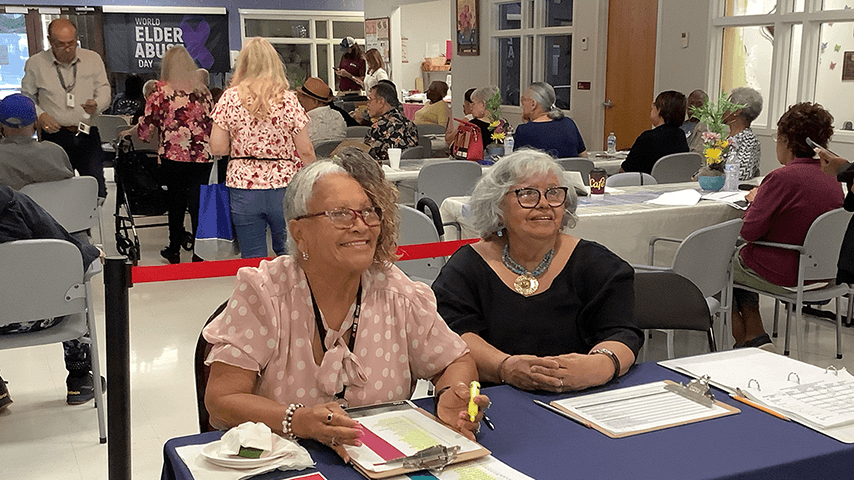
Photo by Nate Smallwood for Age-Friendly Greater Pittsburgh
This project was supported by the Administration for Community Living (ACL), U.S. Department of Health and Human Services (HHS) as part of a financial assistance award totaling $10,000,000 with 100 percent funding by ACL/HHS. The contents are those of the author(s) and do not necessarily represent the official views of, nor an endorsement, by ACL/HHS or the U.S. Government.