

Oticon Hearing Aid Review 2026
Oticon hearing aids are among the best-selling in the world, known for their use of technology to enhance everyday listening. Learn more about this brand’s prescription devices in this Oticon hearing aids review.

- Oticon stands out as a top brand for prescription hearing aids because of its focus on sound clarity in noisy environments.
- The hearing aids in this review cost around $2,500–$7,500, which may seem expensive compared to some OTC options.
- Oticon is one of the largest hearing aid manufacturers in the world and has been making the devices for more than 100 years.
NCOA supports everyone’s right to age well. That’s why we test and recommend products we believe can help you live a healthier life. We’ve spent more than 5,000 hours researching hearing aids to give you the most accurate product reviews. To find the best hearing aids, we:
- Consulted with audiologists, hearing instrument specialists, and aging care experts
- Put more than 50 hearing aids through a series of 21 different tests
- Mystery shopped more than 20 brands
- Surveyed hundreds of older adults who use hearing aids
- Interviewed experts on hearing loss
- Sent hearing aids to our friends and family with hearing loss to provide long-term testing notes
- Read thousands of verified customer reviews
We’re constantly testing new hearing aids to give you the most accurate and up-to-date recommendations. Read more about our hearing aid review methodology.
When you start shopping for prescription hearing aids, a few names are sure to come up. One is Oticon, the second-largest hearing aid maker in the world. It was the most popular brand in our survey of older adults, with more than 16% saying they had bought Oticon hearing aids in the past five years.1 There’s a good reason this Danish brand is so well known. Oticon has established a solid reputation for high sound clarity and new technology in its century-plus history.
Oticon offers a wide lineup of prescription devices for many types of hearing loss, from mild to profound. You’ll find different styles, including behind-the-ear and nearly invisible models. What helps Oticon stand out is its focus on clear, natural sound, smart noise handling, and easy connectivity to phones and other devices. Many models also use advanced sensors and AI-based sound processing to help adjust to your surroundings. In this Oticon hearing aid review, we’ll take a closer look at the latest breakthroughs in Oticon’s lineup and how each model compares.

If you are considering purchasing any kind of hearing aids, schedule an appointment with an audiologist or hearing care professional to get your hearing tested first. Doing so can tell you whether you need OTC or prescription hearing aids and give you an idea of what other factors to consider before you buy.
Oticon
- Known for clear sound and strong performance in noisy settings
- Prescription hearing aids with Bluetooth and rechargeable options
- Natural sound and advanced listening technology
Why Oticon is a top brand for prescription hearing aids
One big reason people choose Oticon hearing aids is the technology. The company, a division of the Demant Group, was formed in 1904 when Hans Demant created one of the first electronic hearing devices to help his wife hear better. Now, more than 120 years later, Oticon continues to find new ways to help people with hearing loss.
Oticon developed something called BrainHearing for its Real line. This feature is designed to help your brain actually understand sound better, not just making things louder. The devices scan your environment multiple times each second and adjust to speech and noise in real time. Newer models even use sensors and AI to track your head and body movements and listening needs, so the sound adjusts as the environment and the people around you change. This kind of smart tech can help make it easier to hear conversations, even in busy places.
Sound quality is another area where Oticon stands out. Many of the brand’s devices are designed to deliver a more natural, full sound rather than a narrow or artificial one. Features like OpenSound Navigator and Speech Guard help balance background noise while keeping speech clear. This can help make listening feel less tiring and more like normal hearing, especially in social settings.
Comfort and everyday use also play a big role. Oticon offers many styles, including small and nearly invisible designs, so users can find something that feels right. Many models are lightweight, rechargeable, and easy to wear all day. Bluetooth streaming, app controls, and simple settings make them easier to use with phones and TVs. And newer devices are compatible with Bluetooth LE protocol, which may use less battery power while streaming media. Overall, Oticon focuses on making hearing aids that are not just powerful, but also comfortable to live with every day.
Comparing Oticon hearing aids
| Comparison Features | |||
|---|---|---|---|
| Hearing aid type (BTE, RIC, CIC, etc.)* | CIC |
BTE, RIC |
BTE, RIC |
| Battery type (disposable or rechargeable) | Rechargeable |
Rechargeable |
Rechargeable |
| Bluetooth | Yes |
Yes |
Yes |
| Hands-free calling | Yes |
Yes |
Yes |
*BTE=behind-the-ear; RIC=receiver-in-canal; CIC=completely-in-canal
Understanding Oticon hearing aid models
Like many prescription hearing aid brands, Oticon offers several technology platforms in its hearing aids. These work like different operating systems in a computer. Each platform can be used with different hearing aid models. For this Oticon review, we take a closer look at the brand's Zeal, Intent, and Real platforms.
Oticon Zeal NXT: Discreet, comfortable, and connected
The Oticon Zeal NXT is an in-the-ear (ITE) hearing aid designed to be unnoticeable yet powerful. It combines technology designed to deliver clear sound, smart AI features, and all-day battery life in one simple device.
Oticon Zeal NXT
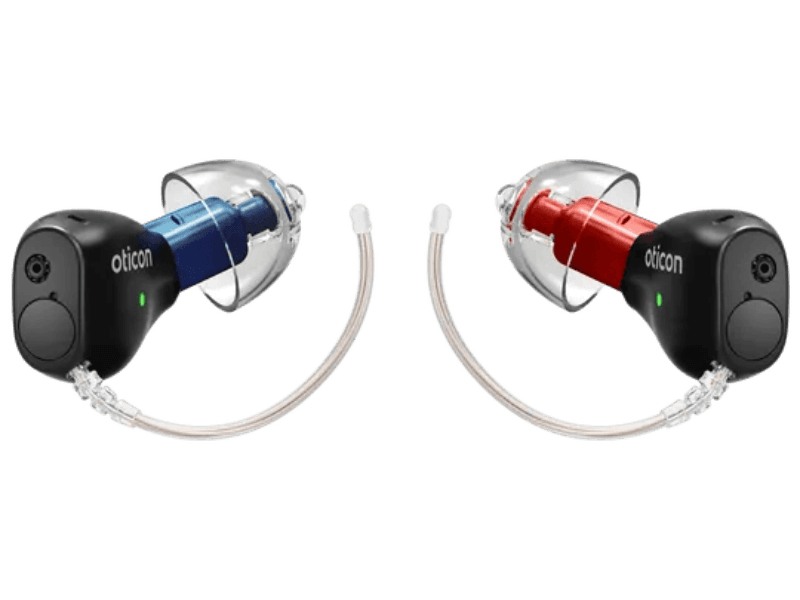
- Very discreet in-the-ear design
- Built-in AI sound processing helps produce clearer speech in noise
- Rechargeable battery with fast charging
- Type of hearing aid: ITE
- Battery type: Rechargeable
- Bluetooth compatible: Yes
Pros
- Clear, balanced sound even in noisy places
- Very small and discreet compared to many Oticon hearing aids
- Strong connectivity to phones and other devices
Cons
- May cost more than basic models
- Small size may be hard to take in and out for some users
- Some users report occasional connectivity or fit issues
What’s different about the Oticon Zeal
Many hearing aids force you to choose between size and performance.The Oticon Zeal aims to offer both. Its remarkably small profile fits comfortably in the ear canal, where it is almost completely concealed. This placement also protects it from sound interference in RIC hearing aids, such as wind.
Although we did not test the Zeal NXT, a few things stood out in our research and in many Oticon hearing aid reviews. The Zeal NXT packs a lot of tech into a small design. It uses updated AI sound processing that runs in the background to help separate speech from noise. It also uses BrainHearing technology, which is designed to support the way your brain naturally processes sound rather than just making things louder. And it offers full connectivity, which is rare for ITE models. Like the Oticon Real hearing aids, the Zeal lets you stream calls, music, and more right to your ears. It supports the Bluetooth Low Energy protocol, so it doesn’t drain the batteries as quickly. It also works with Auracast, a technology for broadcasting in public places like stadiums.
The rechargeable battery provides a full day of use (up to 20 hours), and even a 15-minute charge can give a few hours of run time. This can be convenient when you forget to charge your devices and need to use them soon. Our research suggests that the Zeal NXT addresses many of the previous problems with Oticon hearing aids, such as battery life and ease of use, while maintaining the natural sound quality the brand is known for.
Oticon Intent: Smart sound that follows your focus
The Oticon Intent line uses sensors to track movement and adjust sound in real time to match your listening needs. It is available in RIC (miniRITE R) and BTE (miniBTE R) styles, both of which support high-quality audio streaming.
Oticon Intent
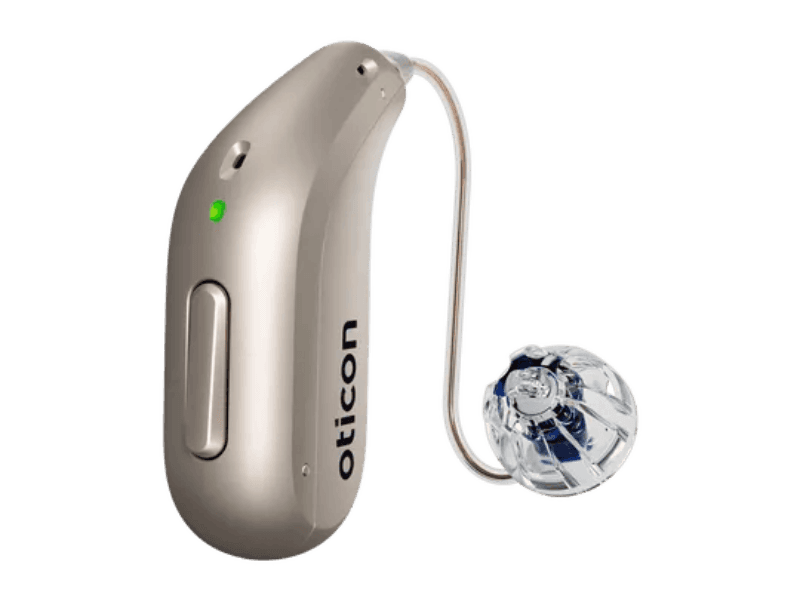
- Uses 4D sensors to track head and body movement for better sound focus
- Helps improve speech clarity in noisy places
- Small, discreet design with fast-charging battery
- Type of hearing aid: BTE, RIC
- Battery type: Rechargeable
- Bluetooth compatible: Yes
Pros
- Clearer speech in noise compared to older models like Oticon Real
- Adapts volume automatically without needing constant adjustments
- Comfortable, small design with solid battery life (20 hours)
- Compatible with both telecoil and Auracast public broadcasting technology
Cons
- Battery life could be longer
- No ITC styles
- Pricier than other Oticon models
What’s different about the Oticon Intent
When Oticon released the Intent line in early 2024, it was the first line of hearing aids with motion sensors that could detect where the conversation was happening and adjust accordingly. This approach helps keep the focus on the sounds you want to hear, not just what is loudest. Oticon based this feature on research that found a link between head movement and what the listener wants to hear.2 The goal is to make conversations feel more natural, especially in busy places like restaurants or group settings.
The Oticon Intent also has upgraded sound processing compared to the previous Real line. The second-generation deep neural network helps separate speech from noise and keep sound balanced all around you.
Oticon Intent comes in MiniRITE R (RIC) and MiniBTE R (BTE) styles. Both are designed to be lightweight, discreet, and easy to wear all day. You can choose from up to five color options. There are manual controls on the devices for people who prefer not to fuss with an app. All styles support Bluetooth LE (low energy), so you can stream calls, music, and more without draining the batteries too quickly. The Intent line also connects to any telecoil-equipped public broadcast device.
We did not test these devices, but our research indicates that the Oticon Intent line is a step toward more personalized, natural sound. And it may improve how speech comes through in real-world situations.
Oticon Real: Clear sound in busy places
Oticon Real hearing aids are made to help you hear speech more clearly while cutting down on annoying background noise. This line includes both rechargeable hearing aids and models that use disposable batteries, so users can pick what fits their needs and comfort.
Oticon Real
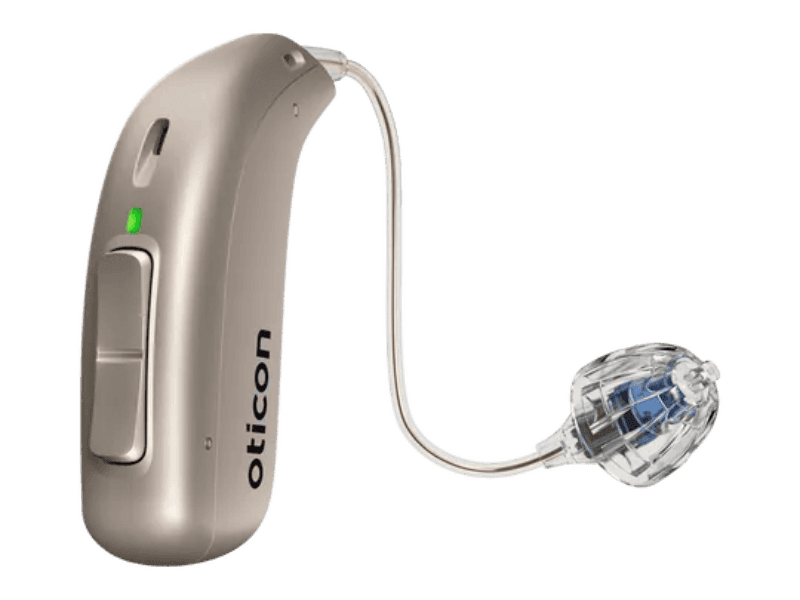
- Uses a built-in Deep Neural Network (DNN) trained on real-life sounds
- Helps reduce wind, handling noise, and sudden loud sounds
- Streams calls and audio from phones and tablets
- Type of hearing aid: BTE, RIC
- Battery type: Rechargeable and disposable
- Bluetooth compatible: Yes
Pros
- Strong speech clarity, even in noisy places
- Good at reducing wind and sudden noise
- Choice of disposable or rechargeable batteries and nine colors
Cons
- Some users have mentioned connectivity or streaming issues
- No on-the-go charging option
- Some Oticon hearing aid reviews note feedback is a problem
What’s different about the Oticon Real
Oticon Real hearing aids were designed to handle real-world sound. One key feature is the Deep Neural Network (DNN), which was trained on millions of real-life sounds to help the hearing aids adjust volume quickly and accurately. This means less strain on the ears when listening, especially in windy outdoor settings or places with a lot of background noise.
The Real line of hearing aids uses AI technology to make the sounds you are focused on clearer. It's designed to work well for everyday listening and offers rechargeable and disposable battery options. In comparison, Oticon's newer Intent line offers only rechargeable battery options, but it has faster processing and sensors to truly customize your listening experience. Depending on your needs and budget, you may find that the Real line still offers a great value for high-quality sound.
There are four models in the Real lineup, and they all have a slightly larger profile than the Intent but are still discreet for RIC and BTE devices. Like other Oticon hearing aids, these models focus on connectivity. You can stream calls, music, and videos directly to your ears, and use an app to adjust settings or find lost devices. Unlike Oticon Intent hearing aids, the Real line is not compatible with Auracast, but it can connect with telecoil technology for public broadcasts. While some Oticon hearing aid users report occasional Bluetooth glitches, many still say the overall sound quality and comfort make them worth considering.
How much do Oticon hearing aids cost?
Like most prescription hearing aid manufacturers, Oticon does not publish prices on its website. But our research has found them to be at the upper end of the range. This is partly a reflection of the brand’s high value and quality build. The price of a hearing aid will vary depending on factors such as the type of battery (disposable vs. rechargeable), features, and style. For specific pricing information, you’ll need to speak with a local hearing care professional who sells Oticon hearing aids.
Most insurance plans, including Medicare Part A and Part B, do not cover the full cost of hearing aids. Medicare Advantage (Part C) plans may cover some of your hearing aid costs.1 If you have a health savings account (HSA) or flexible spending account (FSA), you may also be able to use those for the purchase of hearing aids. Check with your insurance provider to see what’s covered.
One of the biggest factors in a hearing aid’s price is the level of technology it uses. This chart gives you an idea of the price range of different hearing aids:
| Prescription Hearing Aid Technology Level | Price Range per pair |
| Premium | $6,000-$10,000 |
| Advanced | $5,500-$9,000 |
| Standard | $4,500-$7,500 |
| Essential | $4,000-$5,800 |
| Base | $3,500-$5,500 |
Oticon smart features and connectivity
These days, most hearing aids do a lot more than just help you hear. Most offer some advanced features to help you connect with the technology you use in day-to-day life. Oticon is known for incorporating the latest technology into its hearing aids and making them easy to use. Oticon hearing aids work with phones, tablets, and computers from companies like Apple, Google, and Samsung. Features like Fast Pair make it quick and simple to connect. And Oticon also offers customer support options for setup and troubleshooting. Here are some of the key smart features and connectivity options you’ll find in the Oticon lineup:
BrainHearing
Instead of focusing only on the speech in front of you, this feature lets you hear sounds from all around. This can reduce listening effort and make sounds feel more real.
MoreSound processing
This feature, found in the Real line and any Oticon hearing aids released after 2023, may make listening feel more natural and less tiring. It uses a smart system trained on millions of real-life sounds that automatically adjusts sound as you hear it. This can make it easier to follow conversations, even with a lot of background noise.
Built-in AI (deep neural network)
Many modern hearing aids incorporate this kind of machine-learning technology. The Oticon processor is trained from millions of sounds and adjusts up to 500 times per second. It helps separate speech from noise without making either sound unnatural.
Bluetooth LE audio
Most Oticon hearing aids can stream audio. Bluetooth low energy (LE) is a newer type of connection that drains battery life more slowly and provides better quality sound. It also allows hands-free calls on more devices.
Auracast broadcast audio
This newer tech lets you connect to public sound systems, like TVs in waiting rooms or airport announcements, and stream audio directly to your hearing aids. Oticon hearing aids have either a telecoil or are compatible with Auracast. The newer models, such as the Oticon Intent and Oticon Zeal, are built to work with cutting-edge tech like Auracast, so your devices stay useful longer.
Oticon hearing aid accessories
Most Oticon hearing aids come with what you need to get started. This usually includes the hearing aids, a charger, and basic cleaning tools. You can purchase other accessories to make things easier in different situations. These add-ons are optional, but they may be helpful depending on how you use your hearing aids.
- Easy LE Adapter: This device helps connect certain Android phones, tablets, and computers using a newer Bluetooth LE connection. It allows hands-free calls and streaming with better sound.
- Chargers: Oticon offers a standard desktop charger for home use and a portable SmartCharger for on-the-go charging when you travel or on long days when you’re not near an outlet.
- ConnectClip: This turns your hearing aids into a wireless headset so you can take calls, stream music, or hear someone speaking from across the room.
- TV Adapter 3.0: Stream TV audio right to your hearing aids, so you can listen at your own volume without changing it for others.
- Remote Control 3.0: For people who don’t love using an app, this small remote lets you adjust the volume or settings of your hearing aids without needing your phone.
- EduMic: This wireless microphone can be helpful in noisy places or when the speaker is far away.
- Phone Adapter 2.0: While many Oticon hearing aids allow you to take hands-free calls directly to your devices, this option connects your hearing aids to a landline phone.
- SafeLine: For particularly active people who wear hearing aids, this small clip helps keep your devices from falling off.
Are Oticon hearing aids right for you?
Oticon hearing aids are a strong choice if you want clear, natural sound and are willing to invest in newer technology. They work well for people with mild to severe hearing loss, and even profound loss in some models. In Oticon hearing aids reviews, many users say they are useful if you struggle to hear in noisy places like restaurants or group settings. Oticon hearing aids are designed to handle these situations with smart sound processing.
That said, the cost of Oticon hearing aids is usually on the higher side, especially compared to OTC models. These are premium devices with advanced features like AI sound processing and Bluetooth streaming. If you are comfortable using smartphones or learning new tech, you will likely get the most out of them. But if you prefer something very simple, or are on a tight budget, they may not be the best fit. Some problems with Oticon hearing aids reported by users include a learning curve with the technology and the need for adjustments to get the sound just right.
To help decide if Oticon hearing aids are right for you, ask yourself:
• Do I have trouble hearing conversations, especially in noisy places?
• Do I want a more natural, “all-around” sound instead of just hearing speech in front?
• Am I comfortable using Bluetooth, apps, or newer technology?
• Is my budget flexible enough for premium hearing aids?
• Do I want rechargeable options and fewer battery changes?
• Am I okay working with an audiologist or hearing care professional for fitting and follow-up care?
If you answered yes to most of these, Oticon hearing aids could be a good match for your needs and lifestyle.
Frequently asked questions
How much do Oticon hearing aids cost?
Oticon does not publish prices on its website. Costs can vary by provider, and many bundles include fittings and follow-up care.
Does Oticon make good hearing aids?
Oticon hearing aid reviews are mostly positive, especially for sound quality and comfort. Many users like the natural sound, and our research found Oticon to be a good option for older adults.
How do Oticon hearing aids compare to other leading brands?
Oticon hearing aids are considered a premium option, similar in price and performance to brands like Phonak and ReSound. They usually cost more than over-the-counter options.
Do Oticon hearing aids have tinnitus features?
Yes, many models, including Oticon Real hearing aids, offer built-in tinnitus support, such as sound therapy and masking features. These can help make ringing in the ears less noticeable.
Questions? Email us at reviewsteam@ncoa.org.