
Related Topics
One of the secrets to aging well starts with the foods we put on our plate every day. The best superfoods for older adults are nutrient-rich foods that support heart and brain health, strengthen bones and muscles, and promote healthy digestion. They include berries, leafy greens, fatty fish, eggs, nuts, whole grains, and other everyday foods that can help lower the risk of chronic disease.
A balanced diet can help us maintain healthy cognitive function and strong bones as we age, and even prevent chronic disease. Here are 10 of the best superfoods for seniors, the benefits they provide, and how the Supplemental Nutrition Assistance Program (SNAP) can make it easier to afford these healthy foods.
| Superfood | Potential benefits | Simple ways to enjoy it |
|---|---|---|
| Dark leafy greens | Support eye, heart, and bone health with carotenoids and vitamins A, C, and K. | Add spinach or kale to salads, sandwiches, soups, or stir-fries. |
| Cruciferous vegetables | Provide fiber, vitamins, and beneficial plant compounds | Steam, roast, or add broccoli, cabbage, or Brussels sprouts to soups and casseroles. |
| Blueberries | Contain antioxidants that support brain and hearth health and help protect cells from damage. | Add fresh or frozen berries to cereal, yogurt, or smoothies. |
| Nuts and seeds | Provide plant protein, fiber, antioxidants, and heart-healthy fats. | Enjoy a small handful or sprinkle nuts, chia seeds, or flaxseed over salads and yogurt. |
| Eggs | Supply protein, vitamin B12, vitamin D, selenium, and choline to support muscles and brain health. | Try them scrambled, poached, hard-boiled, or added to a sandwich. |
| Salmon | Provides protein for maintaining muscle and omega-3 fats that support heart health. | Bake a fresh fillet or choose affordable canned or frozen salmon. |
| Plain Greek yogurt | Provides protein, calcium, and probiotics that support muscles, bones, and digestion. | Top with berries or use it instead of sour cream in recipes. |
| Avocados | Contain healthy fats, fiber, antioxidants, and other important nutrients. | Add to toast and salads, make guacamole, or blend into a smoothie. |
➡️ Need help paying for healthy foods? Learn more about SNAP and other food assistance programs in your local area.
What is a superfood?
Superfoods are not a distinct food category on their own. Rather, this heroic-sounding name simply describes whole, minimally processed foods that are nutrient dense. Generally, superfoods contain healthy fats, vitamins, minerals, antioxidants, and other compounds found to promote good health and prevent illness and disease. While most are plant-based, certain fish and dairy products may also be considered superfoods.
What superfoods should older adults eat? No single superfood provides all the nutrition we need. That's why it’s important to eat a wide variety of nutritious foods daily.
What are the best superfoods for older adults?
There are many foods that are considered superfoods. No single superfood provides all the nutrition we need. That's why it’s important to eat a wide variety of nutritious foods daily. Here are some nutritional rockstars known to contribute to healthy aging.
1. Dark leafy greens
Dark-colored leafy greens like kale and spinach are rich in carotenoids, which have been shown to protect the eyes against oxidative damage. Spinach is also loaded with vitamins A and C, which help protect the heart and moderate blood pressure levels. Vitamin K is another leafy-green nutrient, found to play a major role in preventing osteoporosis. Leafy greens are delicious in a salad, in a sandwich, or sautéed with a splash of healthy oil (like olive oil).
When it comes to leafy greens, it’s important to watch out for interactions with any drugs you’re taking:
- Spinach, kale, collard greens, broccoli and other leafy greens can make blood-clotting medications less effective.
- Green leafy veggies are rich in vitamin K, which interacts with the common blood-thinning drug warfarin (brand name Coumadin). Speak with your doctor before adding more leafy greens to your diet.
2. Cruciferous vegetables
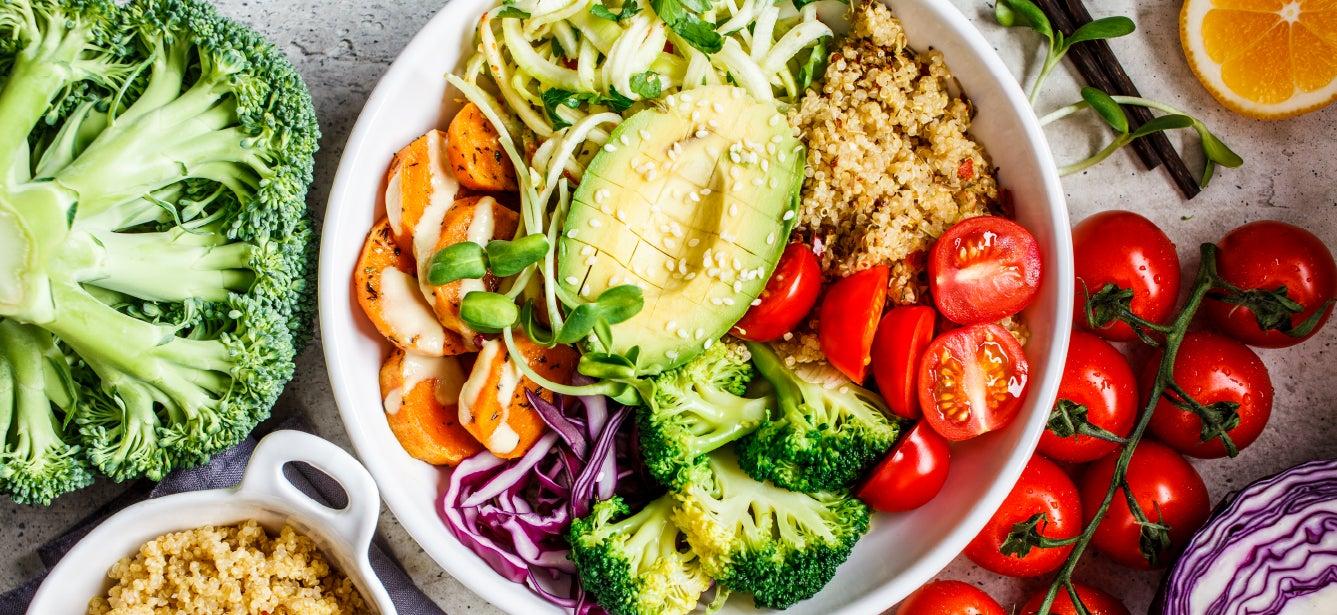
This veggie family includes broccoli, cabbage, Brussels sprouts, and turnips—all of which are great sources of fiber, vitamins, and cancer-preventing phytochemicals. Cruciferous vegetables are tasty and extremely versatile. Toss them in soups, pasta dishes, and casseroles; steam them; or stir-fry them with seasoning and some olive oil.
3. Blueberries
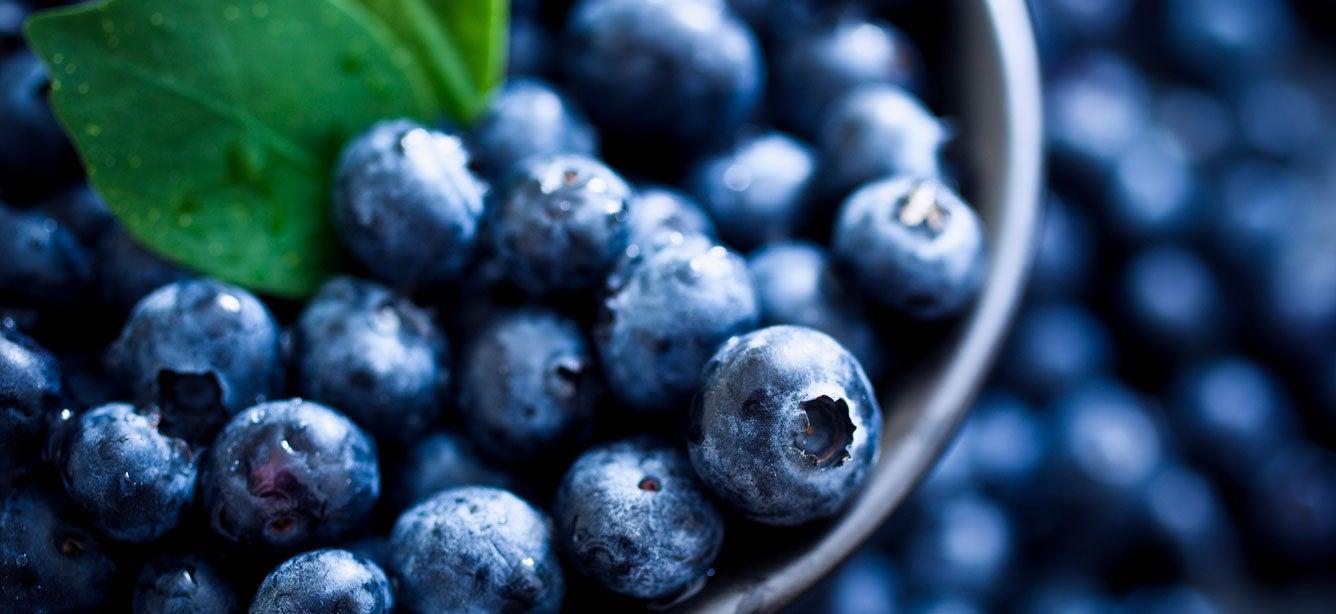
Blueberries are rich in anthocyanins, a class of water-soluble flavonoids found in many colorful fruits and vegetables. In a recent study, researchers linked anthocyanins with improved cognitive performance in people with high levels of inflammation.1
Blueberries also contain antioxidants, compounds that help protect our cells against free-radical damage and reduce the risk for heart disease and cancer. These flavorful, versatile berries can be added to smoothies and desserts, sprinkled over cereal, and of course, eaten all by themselves!
4. Nuts and seeds
From almonds and pecans to hazelnuts and pistachios, nuts are packed with antioxidants, fiber, and plant protein. They also contain monounsaturated fats, which are thought to help lower heart disease risk. As long as you have no known allergies, nuts make a delicious standalone snack. They can also be blended into pestos or used as a scrumptious salad topper.
Seeds are another satisfying superfood. A 2022 study found that the nutrients in chia seeds can help prevent cancer, GI tract-related diseases, and cardiovascular disease. Chia seeds may also aid in controlling type 2 diabetes, high blood pressure, and high cholesterol.2 Other tasty seed options include hemp seed and flax seed, which are also high in inflammation-fighting omega-3 fatty acids.
Something to keep in mind about nuts and seeds: They are high in fat and calories, so it's best to limit consumption to a small handful each day.
5. Eggs
Eggs have been a source of dietary controversy over the years due to cholesterol found in the yolk. However, skipping the yolk could deprive you of key nutrients such as vitamin B12, vitamin D, and selenium. Egg yolks also contain choline, a nutrient and neurotransmitter responsible for regulating mood and memory.
There is no official recommendation limiting how many eggs you should eat every day. Many sources suggest that eating one egg daily is reasonable for most people in good health (eating more could still adversely affect cholesterol levels in some people). Since eggs are high in protein, this superfood is an ideal choice for a hearty breakfast—scrambled, poached, hard-boiled, or sunny side up.
6. Salmon
Fatty fish (e.g., salmon, herring, mackerel, trout, and tuna steak) is an excellent source of protein—a nutrient vital to maintaining muscle mass in older adults. It's also loaded with omega-3 fatty acids, which can help reduce the risk of heart disease. A great way to enjoy a fresh fish filet is to lightly season it, bake it, and serve with a side of cruciferous vegetables.
7. Plain Greek yogurt
When it comes to protein, Greek yogurt delivers. Just one cup has 17 grams of protein as well as 20% of the daily recommended intake of calcium. Why else is Greek yogurt considered one of the best superfoods? It contains probiotics, which help us maintain gut health. Probiotics have been shown to aid in digestion, boost immune function, and even prevent infection.
Plain, unsweetened Greek yogurt is highly versatile. It can be topped with granola and berries or even be substituted for sour cream in certain recipes. Look for yogurt made with whole milk or reduced-fat milk with no added sugar.
8. Avocados
Avocado is a nutritional powerhouse, loaded with nourishing fats, antioxidants, and other nutrients that support head-to-toe health. This creamy-textured fruit is delicious in guacamole or spread on toast. If you or an older adult you care for doesn't like the taste of avocado, consider blending it into a fruit smoothie for a subtle nutritional boost.
Are frozen superfoods as healthy as fresh foods?
Yes. Frozen fruits and vegetables often cost less than fresh varieties, and they can be just as nutritious (sometimes even more so). That’s because they’re usually harvested at their peak of freshness and then quickly flash-frozen to lock in vitamins, minerals, and antioxidants. In contrast, fresh produce can lose some of its nutrients during the shipping process.
Choose frozen food items without added sugar, salt, sauces, or saturated fat whenever possible.
Get help to make healthy food more affordable
Eating healthfully can be costly, especially at a time when grocery prices are rising. But through the Supplemental Nutrition Assistance Program (SNAP), you or the person you care for may be able to get monthly financial help to make superfoods and other groceries more affordable. The average SNAP benefit for a one-person senior household is $188 per month, or $2,256 per year.3
✅ Visit NCOA’s Benefits CheckUp to get personalized recommendations for programs like SNAP that can help you afford healthy meals. You can also learn about other benefits that can help you pay for utilities, health care, and prescriptions—and even get help applying.
Many older adults who qualify for SNAP assistance don’t take advantage of these benefits, which can be life changing. Take Carol G., age 70, for instance. She lives alone on a limited income, and once all her bills are paid, there is little left for food.
After applying for SNAP, Carol was awarded $139 in monthly benefits, and no longer struggles to eat well. "I'm so grateful," she told NCOA. "Before SNAP I was not able to buy fresh fruits and vegetables. Now I can make healthier food choices and live a healthier life."
Sources
1. Miguel German Borda et. al. A randomized, placebo-controlled trial of purified anthocyanins on cognitive function in individuals at elevated risk for dementia: Analysis of inflammatory biomarkers toward personalized interventions. Experimental Gerontology. October 15, 2024. Found on the internet at https://pubmed.ncbi.nlm.nih.gov/39226946/
2. Waseem Khalid, et. al. Chia seeds (Salvia hispanica L.): A therapeutic weapon in metabolic disorders. Food Science & Nutrition. December 15, 2022. Found on the internet at https://pmc.ncbi.nlm.nih.gov/articles/PMC9834868/
3. USDA. Characteristics of Supplemental Nutrition Assistance Program Households: Fiscal Year 2023. April 2025. Found on the internet at https://fns-prod.azureedge.us/sites/default/files/resource-files/snap-FY23-Characteristics-Report.pd
Need Help Paying for Food?
Millions of older adults are eligible for food assistance from SNAP but often don't apply. Use NCOA's tool to find out if you're eligible and get help paying for groceries.